

Apr
Non-Sporting Group
Lhasa Apso: Elegant, Sturdy, Agile, And Smart
Most people see a Lhasa Apso and think “cute little lap dog.” They couldn’t be more wrong. Behind that flowing, floor-length coat is a tough, independent, surprisingly athletic dog that was bred to guard Tibetan monasteries for centuries. These dogs have opinions. They make their own decisions. And they don’t exist just to sit in your lap and look pretty.
That gap between expectation and reality is exactly why so many new Lhasa Apso owners feel caught off guard. The grooming alone can take 30 to 45 minutes a day. Training requires patience because this breed’s intelligence comes packaged with a stubborn streak. They’re loyal, but on their own terms. If you’re thinking about bringing one home, you need the full picture first.
This post covers everything that makes Lhasa Apsos who they are. You’ll learn about their physical build and agility, their complex personality and protective instincts, and whether your lifestyle is actually a good match for this breed.
Physical Characteristics: The Elegant and Sturdy Build of Lhasa Apsos
Size, Weight, and Structural Sturdiness
The Lhasa Apso won’t overwhelm your living space. These dogs stand just 10 to 11 inches tall at the shoulder, putting them firmly in the small breed category. Don’t let that fool you, though. They’re not fragile lapdogs.
Weighing between 12 and 18 pounds, the Lhasa Apso packs surprising substance into a compact frame. Their build feels solid when you pick one up. You’ll notice the difference immediately compared to similarly sized breeds that feel delicate or wispy.
The breed’s sturdiness comes from well-developed muscles and strong bone structure. These dogs were built for durability, not decoration. Their ancestors navigated harsh Tibetan terrain, and that heritage shows in their robust construction. The thick bones support a muscular body that can handle daily activity without injury concerns that plague more fragile toy breeds.
Their low center of gravity gives them stability that larger, lankier dogs often lack. With balanced proportions throughout their body, this design makes them resilient across diverse environments. They won’t tip over easily or struggle with coordination issues.

Males typically carry a bit more weight and bulk than females. You might notice an extra pound or two and slightly broader shoulders on male Lhasas. Both sexes maintain that characteristic compact, sturdy build that makes the breed recognizable.
The Signature Elegant Coat and Grooming Requirements
The Lhasa Apso’s crowning glory is that spectacular floor-length double coat. Heavy, straight, and incredibly dense, this coat creates the breed’s distinctive, elegant silhouette. When properly maintained, the hair flows like silk as the dog moves, creating an almost regal appearance.
Color variety adds to their visual appeal. You’ll find Lhasa Apsos in golden and honey tones that seem to glow in sunlight. Cream-colored dogs have a softer, more subtle beauty. Dark grizzle and slate varieties offer dramatic contrast, while parti-colored Lhasas combine multiple shades into striking patterns. Every color contributes to that dignified, aristocratic look the breed is known for.
Here’s the reality check.
 That gorgeous coat demands serious commitment. Daily brushing isn’t optional or something you can skip when you’re tired. Preventing matting and tangles requires 30 to 45 minutes of dedicated grooming every single day. Miss a few days, and you’ll face painful mats that need to be cut out.
Many owners make a practical choice. They keep their Lhasa in a shorter puppy cut that maintains the breed’s charm while dramatically reducing grooming time. Professional groomers can create adorable, shorter styles that still look distinctly Lhasa Apso. This approach lets you enjoy your dog without the daily grooming marathon.
Facial Features and Expression
The Lhasa Apso face tells a story of careful breeding for specific purposes. Their slightly undershot bite gives them a unique profile. Dark oval eyes peer out from beneath all that facial hair, and the black nose provides a focal point on their heavily furnished head.
All that hair falling over the eyes isn’t just for show. In their Tibetan origins, this facial furnishing served a protective function, shielding sensitive eyes from harsh mountain winds and bright sunlight reflecting off snow.
Watch a Lhasa Apso closely. Despite the hair coverage, their alert expression shines through. Those eyes convey intelligence and constant awareness of their surroundings. They’re always observing, always processing what’s happening around them. Nothing escapes their notice.
Proper facial grooming becomes essential for safety and quality of life. Your dog needs to see clearly for daily activities. Many owners secure the facial hair with a topknot or trim it slightly shorter around the eyes. This maintains breed standards while ensuring your Lhasa can navigate confidently without impaired vision.
Agility and Movement Capabilities
The Lhasa Apso moves with a free and jaunty gait that surprises people expecting a shuffling lapdog. There’s confidence in every step, a sprightliness that reflects their alert personality.
Their well-balanced structure delivers surprising quickness. Despite carrying all that flowing coat, they can maneuver with agility that belies their appearance. Short bursts of speed? No problem. Quick directional changes? They handle them smoothly.
Remember those Tibetan mountains? The breed was originally developed to navigate challenging mountainous terrain, and they haven’t lost those capabilities. Relative to their size, Lhasa Apsos retain excellent climbing and jumping abilities. They’ll hop onto furniture with ease and navigate stairs confidently.
This natural agility makes them candidates for dog sports if you’re interested. Properly trained Lhasa Apsos can excel at agility courses, weaving through poles and navigating obstacles with enthusiasm. Rally obedience is another area where their combination of intelligence and physical capability shines. They may be small and elegant, but they’re athletic enough to surprise you.
Intelligence and Temperament: Understanding the Lhasa Apso Personality
Cognitive Abilities and Problem-Solving Skills
Lhasa Apsos are smart dogs. Really smart. Their intelligence shows up in ways that might surprise you if you’re expecting an eager-to-please golden retriever type. These little dogs observe everything happening around them, filing away information and using it later in ways that reveal genuine problem-solving ability.
Research on dog intelligence rankings places Lhasa Apsos in the category of breeds that understand new commands with practice but demonstrate their smarts through independent thinking rather than blind obedience. They’ll figure out how to open cabinets, nudge doors just right to get into rooms, and remember exactly where you hide the treat bag.
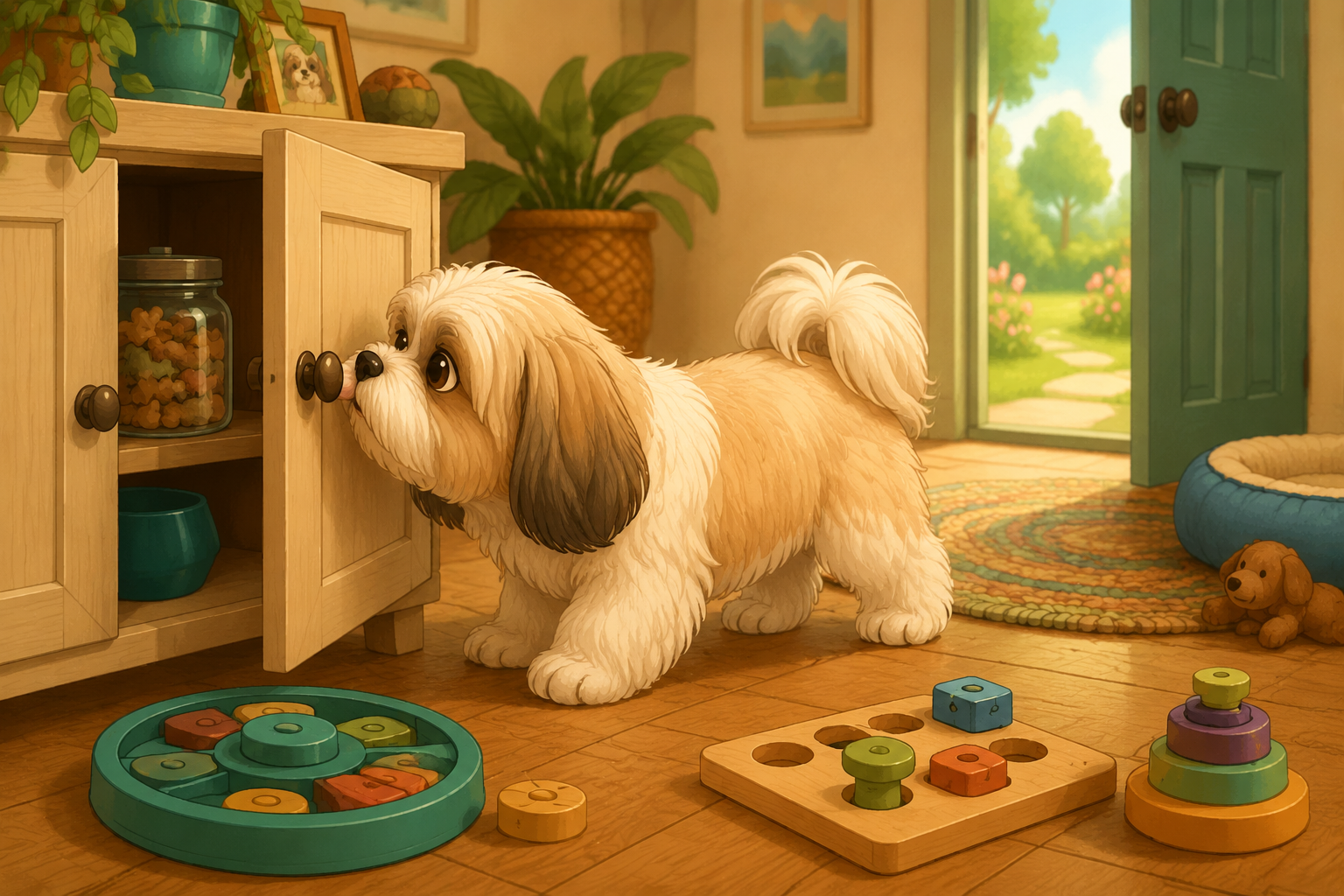 One Lhasa owner might leave a door barely ajar only to find their dog has nosed it open within minutes. They’re not just reacting. They’re thinking.
This intelligence creates a specific challenge for training. Your Lhasa isn’t struggling to understand what you want. They’re weighing whether complying serves their interests. Without proper motivation and consistent expectations, they’ll decide their own priorities matter more than yours.
The breed excels at learning household routines and understanding family hierarchies. They know who feeds them, who’s most likely to share snacks, and which family member will cave first when they want something. This awareness extends to understanding complex social dynamics in multi-pet households. Mental stimulation becomes critical because a bored Lhasa Apso will create its own entertainment, and you might not appreciate its choices.
Puzzle toys, regular training sessions, and interactive games keep their minds engaged. Without these outlets, you might find shredded tissues, rearranged cushions, or persistent demands for attention at inconvenient times.
Trainability and Stubbornness Balance
The Lhasa Apso’s independent streak runs deep, rooted in its history as a sentinel dog in Tibetan monasteries. For centuries, these dogs made autonomous decisions about threats and appropriate responses without human direction. That legacy doesn’t disappear just because you want a perfectly obedient pet.
Positive reinforcement training works best with this breed. High-value rewards such as small pieces of chicken, cheese, or special treats motivate them far more than generic kibble. Harsh corrections backfire spectacularly, damaging the trust that makes cooperation possible. A Lhasa who feels disrespected simply disengages.
Early socialization and puppy training classes aren’t optional extras. They’re critical for developing a well-mannered adult. The sweet puppy who seems perfectly friendly at eight weeks can become suspicious and reactive by adulthood without proper early experiences. Training sessions should stay short, around 10 to 15 minutes maximum. Push beyond that window and you’ll watch your Lhasa mentally check out, stubbornly refusing commands they performed perfectly five minutes earlier.
Protective Instincts and Alertness
Lhasa Apsos take their watchdog role seriously.
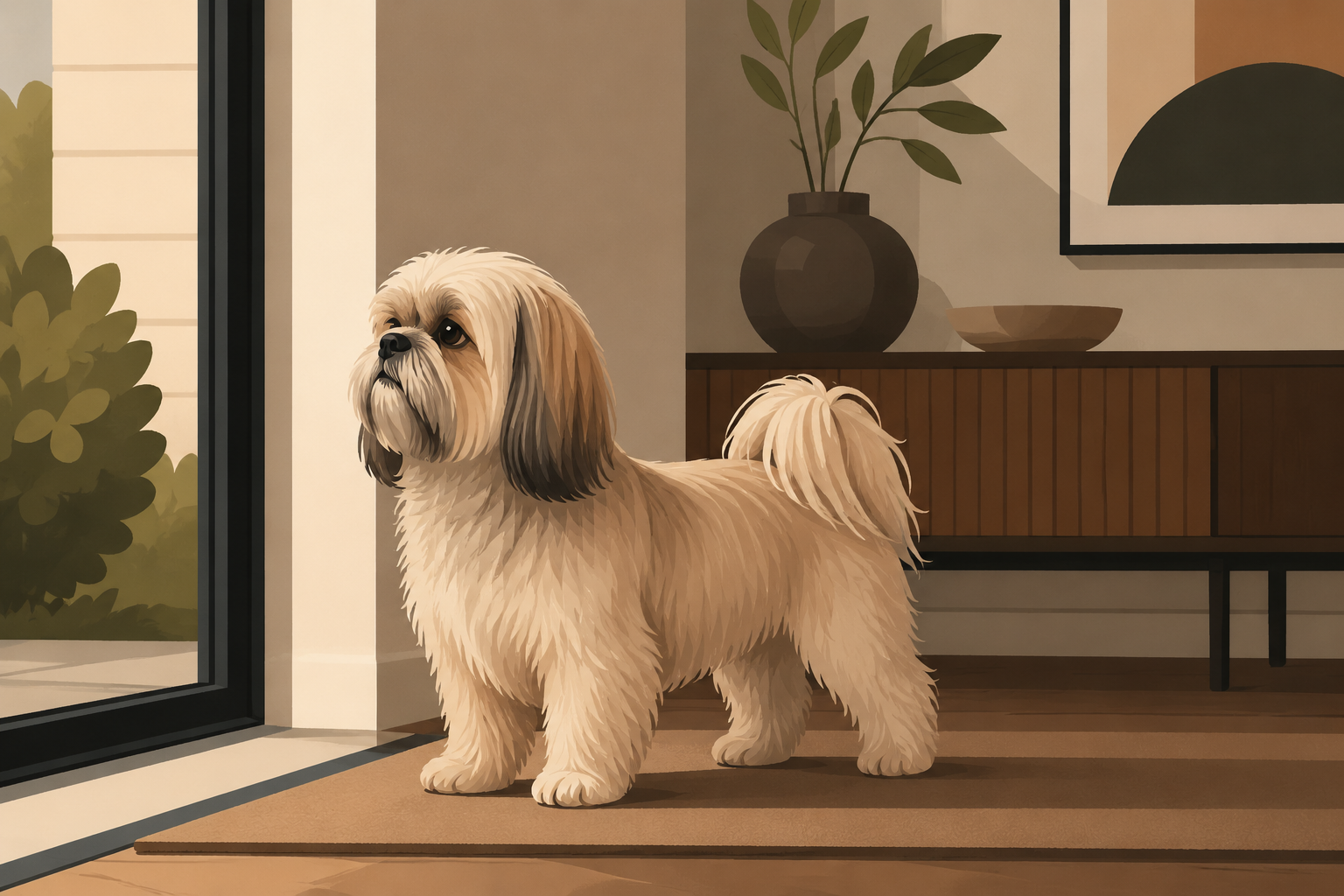 Bred as interior guard dogs for Tibetan nobility, they possess territorial awareness that seems outsized for their small bodies. They’re naturally suspicious of strangers and will absolutely let you know when someone approaches your door or when unusual sounds break the routine.
This alertness makes them excellent apartment dogs. They’ll notify you of disturbances without becoming nuisance barkers when properly trained. The key phrase is “when properly trained.” Without socialization, that protective instinct can escalate into excessive wariness or even aggression toward unfamiliar people.
Bonding Patterns and Family Dynamics
Don’t expect a Lhasa Apso to love everyone equally. These dogs typically form their strongest bonds with one or two primary family members while remaining cordial with others. They’re affectionate on their own terms rather than constantly seeking attention.
With children, they do best with older, respectful kids 8 and up who understand gentle handling and can read dog body language. Toddlers who grab, squeeze, or move unpredictably often trigger the Lhasa’s defensive instincts. They can coexist peacefully with other pets when raised together, though their assertive personality may challenge more dominant dogs in the household.
Lifestyle Compatibility: Is a Lhasa Apso Right for Your Household?
Living Space Requirements and Adaptability
Your Lhasa Apso doesn’t need a mansion. These compact dogs are perfectly happy in apartments, condos, or smaller homes. Their 12-18 pound frames and moderate energy levels mean they won’t bounce off the walls in limited square footage. A yard isn’t a deal-breaker, though having one is nice.
What matters more is access to outdoor spaces for bathroom breaks and some fresh air. A nearby park works great. Supervised balcony time counts too, as long as it’s safe and secure. These dogs won’t jump fences or need acres to run, but they do appreciate variety in their environment.
The Lhasa Apso’s thick double coat actually helps it handle a wide range of weather conditions surprisingly well. Cold winters? They’re bundled up naturally. Hot summers? They have heat insulation, too, though you’ll need to watch for overheating. They’re most comfortable in moderate temperatures. Think 60-75 degrees as their happy zone.
City living suits many Lhasa Apsos just fine. Street noise, sirens, and neighbor sounds don’t automatically stress them out, though individual dogs vary. Some take to urban life immediately. Others need gradual exposure and positive reinforcement to feel secure around new sounds. Early socialization makes the biggest difference in helping your Lhasa adjust to bustling environments.
Exercise and Activity Level Needs
Don’t expect a marathon partner. Your Lhasa needs about 20-30 minutes of daily walking, split into two shorter outings if that works better for your schedule. Add some indoor play sessions, and you’ve met their physical requirements.
These dogs enjoy walks but prefer quality over distance. A leisurely stroll around the neighborhood, where they can sniff and explore, beats a forced power walk. They’re built for companionship, not endurance athletics.
Indoor activities work beautifully for this breed. Hide-and-seek games tap into their natural curiosity. Toss a soft toy down the hallway for fetch. Puzzle toys challenge their smart brains and burn mental energy, which tires them out just as effectively as physical exercise. A bored Lhasa can become a destructive Lhasa.
Watch the temperature during exercise. That gorgeous, flowing coat becomes a liability in hot weather. Summer walks should happen early in the morning or in the evening. Always bring water. Provide shade breaks. Overheating can happen quickly in double-coated breeds, and Lhasa Apsos can struggle in temperatures above 80 degrees.
Health Considerations and Longevity
You’re looking at 12-15 years with your Lhasa, possibly longer. Many of these sturdy little dogs push into their late teens when given proper care. They’re generally healthy, but like all purebreds, certain conditions appear more frequently.
Progressive retinal atrophy can gradually steal their vision. Hip dysplasia affects some individuals despite their small size. Patellar luxation (kneecaps that slip out of place) occurs in the breed. Kidney problems require monitoring as they age. Responsible breeders screen for these conditions before breeding.
Regular vet visits catch problems early. Dental care can’t be optional with small breeds, whose teeth crowd together and accumulate tartar quickly. Weight management matters too. An overweight Lhasa faces joint stress and shortened lifespan. Keep them lean and active within their moderate exercise limits.
Consider pet insurance or start a dedicated health savings account. Breed-specific conditions sometimes require specialist care. Emergency vet visits cost hundreds or thousands. Planning ahead removes the financial panic from medical decisions about your companion.
Time and Financial Commitment Reality Check
Let’s talk real numbers. Professional grooming every 4-6 weeks costs $50-$90 per session in most areas. That’s $400-$1,080 yearly. Or you invest serious time every day doing it yourself. We’re talking 30-45 minutes of brushing and coat maintenance every single day.
Initial costs add up quickly. Adoption fees or purchase prices range from $500 to $2,000, depending on source and bloodlines. First-year veterinary care includes vaccinations, spaying/neutering, and initial health screening. Supplies include a crate, a bed, grooming tools, toys, and food bowls. Budget $2,000-$3,500 total for year one.
Annual maintenance averages $1,500-$2,500 after that first year. Quality dog food, routine vet checkups, preventative medications for heartworm and fleas, grooming expenses, toy replacements, and miscellaneous supplies all factor in. Unexpected health issues increase these numbers.
Time commitment rivals the financial investment. Count on 1.5-2.5 hours daily. Grooming takes the biggest chunk. Training sessions, walks, play time, and just being present for companionship fill the rest. These aren’t independent dogs who entertain themselves all day.
Ideal Owner Profile and Lifestyle Match
First-time dog owners should probably look elsewhere. Lhasa Apsos reward experience and patience. Their grooming needs overwhelm beginners. Their independent streak frustrates people expecting automatic obedience. Training requires consistency and confident leadership without harshness.
Perfect candidates include retirees with time for daily grooming and training. Professionals working from home who can provide companionship throughout the day. Empty nesters are ready for a loyal companion without the toddler-level energy demands. Singles or couples seeking one devoted dog rather than a whole pack.
Families with older children (8+ years) can work if kids understand boundaries and gentle handling. Young children and Lhasa Apsos often clash. The dogs won’t tolerate rough play or constant handling. They need respect and personal space.
This breed shines for owners who appreciate independence rather than neediness. They want a watchdog who actually alerts to visitors. They value loyalty over friendliness with strangers. They need a low-shedding companion despite high grooming requirements. They live in smaller spaces but can commit to daily care routines. That’s the Lhasa Apso owner’s sweet spot.
| Breed | Stats | Country of Origin |
|---|---|---|
 | Lhasa Apso Height (inches): 10-11 Weight (Pounds): 12-18 Life Expectancy (Years): 12-15 Popularity (AKC): 71 Group (AKC): Non-Sporting | Tibet |
 | Shih Tzu Height (inches): 9-16 Weight (Pounds): 10-18 Life Expectancy (Years): 10-18 Popularity (AKC): 20 Group (AKC): Toy | China/Tibet |
 | Tibetan Spaniel Height (inches): 10 Weight (Pounds): 9-15 Life Expectancy (Years): 12-15 Popularity (AKC): 119 Group (AKC): Non-Sporting | Tibet |
 | Pekingese Height (inches): 6-9 Weight (Pounds): up to 14 Life Expectancy (Years): 12-14 Popularity (AKC): 92 Group (AKC): Toy | China |
 | Japanese Chin Height (inches): 8-11 Weight (Pounds): 7-11 Life Expectancy (Years): 10-12 Popularity (AKC): 104 Group (AKC): Toy | Japan |
