
AKC Groups, Non-Sporting Group
French Bulldog Ranks #1 In Popularity

Apr
From whence do French bulldogs come?
If it’s named “French Bulldog,” it must be from France. Well, maybe yes, maybe no. It seems that back in the 1800s in England, before the industrial revolution, women in lace factories (particularly in Nottingham would warm their laps with a small dog. Many of these dogs were miniature or toy bulldogs.
When jobs in lace factories began to dry up, many displaced lace workers immigrated to Normandy, where lace-makers were still in demand. They took their miniature bulldogs with them. The small dogs became popular with the Paris ladies who worked in the pleasure industry. Walking with a small bulldog on a leash was a good way to attract customers.
With some helpful crossbreeding with local French dogs, the miniature bulldogs were recognized as a separate breed and became popular in France: voilà, the French Bulldog.

French Bulldog Dog Mug (11oz/15oz)
A bright, glossy ceramic mug that brings a touch of handcrafted charm to everyday routines. The artwork wraps neatly around the white surface, letting vivid inks pop against the clean background.
French Bulldogs Appearance

French Bulldog: Smart And Affectionate
French Bulldogs have become one of the most popular dog breeds in America, and it’s not hard to see why—that squishy face, those bat ears, and a personality that fills up an entire room. But somewhere along the way, Frenchies got a reputation for being a little, well, not that bright. That’s not really fair. And it’s not really accurate either.
The truth is, French Bulldogs are smart in ways that standard obedience rankings don’t measure. They read your emotions, figure out your routines, and yes, they absolutely know how to manipulate you with those eyes. They’re also one of the most affectionate breeds you’ll ever meet, sometimes to a fault. That “velcro dog” tendency is adorable until you realize your 25-pound shadow follows you into every room, including the bathroom.
This post covers what you actually need to know before bringing a Frenchie into your life. We’ll get into their real intelligence, their deep need for companionship, the honest pros and cons of ownership, a full cost breakdown, and how to decide if this breed fits your lifestyle. No sugarcoating, just the stuff that matters.
The Intelligence Factor
How French Bulldogs Rank in Canine Intelligence Studies
Let’s get real about where French Bulldogs stand in the doggy brainpower department. According to Stanley Coren’s research on canine intelligence, Frenchies fall into the “fair working intelligence” category, ranking 58th out of 79 breeds tested.
 Before you get discouraged, that number tells only part of the story.
These rankings measure obedience intelligence. Your Frenchie typically needs 40 to 80 repetitions to master a new command. Compare that to a Border Collie who picks things up in five tries, and you might think French Bulldogs are slow learners. But here’s what the studies miss: Frenchies possess incredible emotional and adaptive intelligence that standard obedience tests can’t measure.
Your French Bulldog is brilliant at reading your emotions. They notice when you’re sad, stressed, or happy before you even realize it yourself. Their intelligence shows up in problem-solving situations and understanding human behavior patterns rather than unthinkingly following commands. Frenchies excel at learning household routines and anticipating what you’ll do next. They know exactly when you’re about to leave for work, when dinner time approaches, and which shoes you wear for walks versus errands.
The “slow to train” label often reflects their independent thinking. They’re not dumb. They question whether your command makes sense for them right now.
Trainability and Learning Patterns in French Bulldogs
Training a French Bulldog requires a different approach than working with eager-to-please breeds. The AKC recommends positive reinforcement methods because Frenchies are both sensitive and stubborn. Harsh corrections shut them down completely, while praise and treats get their attention.
Short training sessions work best. Keep practice to 5 or 10 minutes max. Any longer and your Frenchie mentally checks out. Their attention span is limited, and they quickly get bored by repetition. Think of it like interval training: multiple short bursts throughout the day beat one marathon session every time.
Food motivation is your secret weapon. Most French Bulldogs will do almost anything for the right treat. The catch? They can be picky about rewards. Plain kibble might not cut it. You’ll need to experiment with different treats to find what makes your particular Frenchie willing to cooperate.
Housebreaking takes patience. Plan on 4 to 6 months with consistent routines. French Bulldogs can be notoriously difficult to potty train, not because they’re incapable, but because they’re stubborn about going outside in bad weather and can be sneaky about finding indoor spots.
Real-World Smart Behaviors Frenchie Owners Notice
Ask any Frenchie owner about their dog’s intelligence, and you’ll hear stories that don’t match the 58th-place ranking. These dogs are manipulative geniuses when they want something. They perfect the puppy eyes technique and master strategic positioning. Sitting right where you need to walk? Not an accident. Staring at you while you eat dinner? Calculated behavior.
French Bulldogs have remarkable spatial memory.
 They remember exactly where treats are hidden, which drawer holds their toys, and where their favorite sunny spot moves throughout the day. Research on dog intelligence shows that this type of memory indicates strong cognitive abilities.
Communication skills set Frenchies apart. They develop complex vocalization systems with different sounds for specific needs. One snort means “I need to go out,” another means “I’m hungry,” and yet another signals “pay attention to me right now.” Owners quickly learn to interpret their Frenchie’s unique language.
Many French Bulldogs teach themselves to open doors by jumping and hitting handles. They figure out how to slide open drawers with their paws and solve puzzle toys independently without training. These problem-solving abilities show intelligence that goes far beyond simple obedience to commands.
The Affectionate Nature: Why French Bulldogs Excel as Companion Dogs
Bonding Characteristics and Attachment Patterns
French Bulldogs don’t just love their owners. They become completely devoted to them. These dogs form exceptionally strong bonds with their primary caregivers, often choosing one special person in the household while still showing affection to the entire family. You’ll notice this attachment within the first few weeks of bringing your Frenchie home.
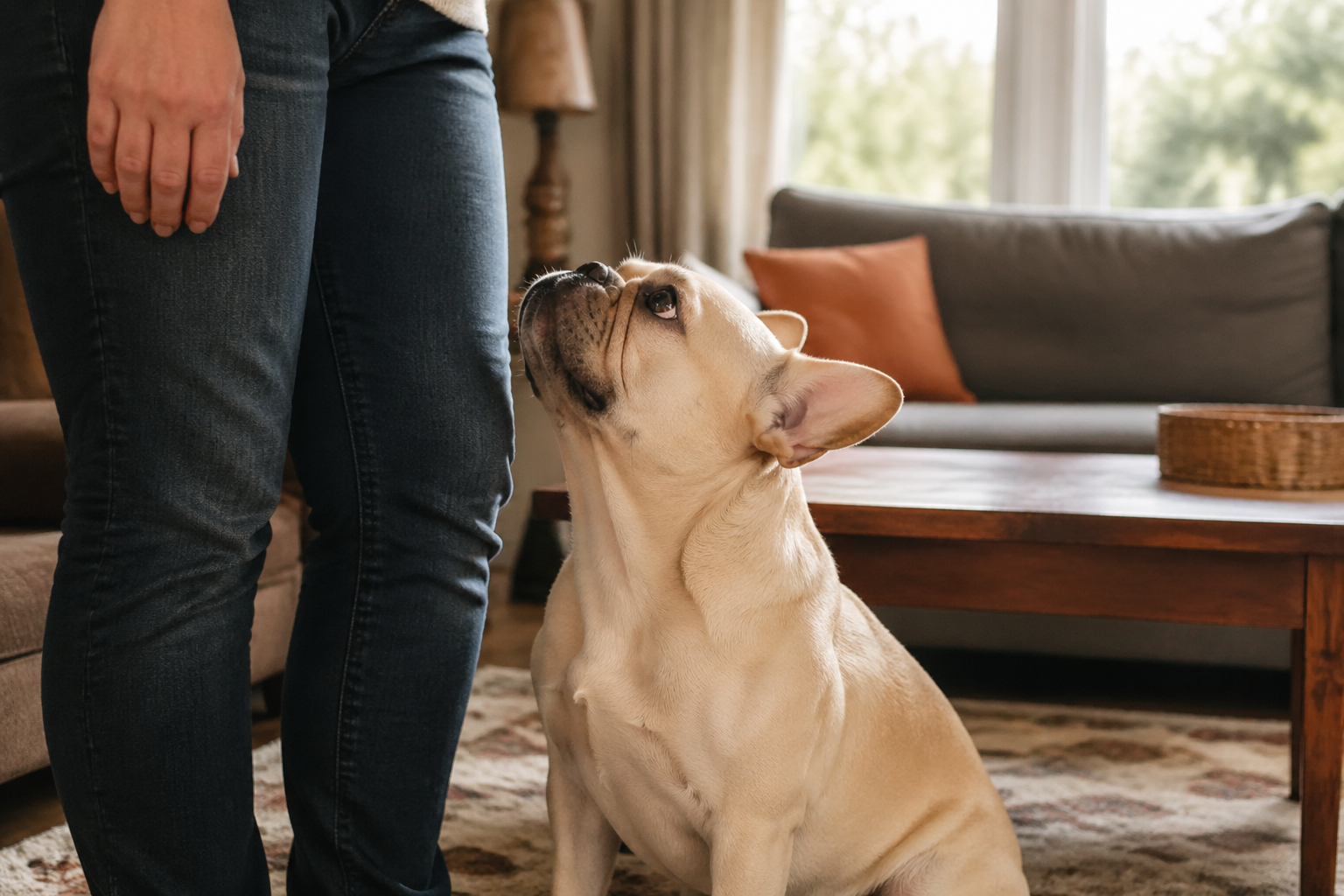
The “velcro dog” reputation is absolutely real. Your French Bulldog will follow you from room to room, settling down wherever you happen to be. Kitchen, bathroom, home office? They’re coming with you. Many owners find their Frenchie waiting right outside the shower door or positioned exactly where they can maintain eye contact while you work. This constant companionship is part of their charm, but it’s something to seriously consider before choosing this breed.
This intense attachment has a flip side. Separation anxiety can develop when French Bulldogs are left alone for extended periods, typically anything beyond four to six hours. They weren’t bred to be independent working dogs. They were created specifically for human companionship, and their entire temperament reflects that purpose. If your work schedule keeps you away all day, you might return home to destructive behavior, excessive barking, or setbacks in house training.
What makes Frenchies exceptional companions is their emotional intelligence. They adapt their energy levels to match their owner’s mood and activity preferences. Feeling energetic? Your Frenchie will enthusiastically play. Relaxing on the couch after a long day? They’ll happily snuggle beside you for hours. This adaptability makes them perfect for a range of household dynamics, from active families to quieter single-person homes.
Where Should Your Frenchie Sleep at Night for Optimal Bonding
The bedroom question comes up constantly with new French Bulldog owners. Where should my Frenchie sleep at night? The answer might surprise you if you prefer pet-free sleeping spaces.
Most French Bulldogs sleep best in the bedroom near their owners. This doesn’t necessarily mean in your bed (though many Frenchies end up there eventually). A crate or dog bed positioned beside the human bed works wonderfully. Allowing bedroom access strengthens the human-dog bond and significantly reduces nighttime anxiety, especially during the adjustment period with a new puppy or rescue dog.
Crate training in the bedroom offers the best of both worlds. Your Frenchie feels secure knowing you’re nearby, but you avoid potential bed-hogging behaviors (and yes, these compact dogs somehow occupy enormous amounts of mattress space). The crate becomes their safe den rather than an isolation chamber in another room.
Temperature regulation becomes critical for nighttime arrangements.
 Bedrooms should stay between 65 and 72 degrees Fahrenheit because Frenchies are extremely prone to overheating due to their flat faces and breathing limitations. If your bedroom gets warmer, consider a cooling mat in their sleeping area or position their bed near (but not directly under) a fan.
Interaction with Children, Seniors, and Other Pets
French Bulldogs have earned their reputation as family dogs for good reason. Their patient, gentle demeanor makes them excellent companions for children when properly supervised. They tolerate the grabby hands and enthusiastic hugs that would irritate many other breeds. That said, always teach children how to interact appropriately with dogs, and never leave very young kids unsupervised with any dog.
Senior owners find Frenchies particularly compatible. The low exercise requirements (just 20 to 30 minutes of gentle walking daily) suit older adults perfectly. These dogs don’t need marathon hikes or intensive play sessions. A short stroll around the block and some indoor playtime keep them happy and healthy.
Multi-pet households usually work well with French Bulldogs. They generally coexist peacefully with other dogs and cats, especially when socialized early. Their non-aggressive nature means they rarely start conflicts, though their playful wrestling style can seem rough to dogs unfamiliar with the breed’s antics. According to the AVMA’s research on dog breeds and behavior, French Bulldogs consistently rank among the least aggressive breeds.
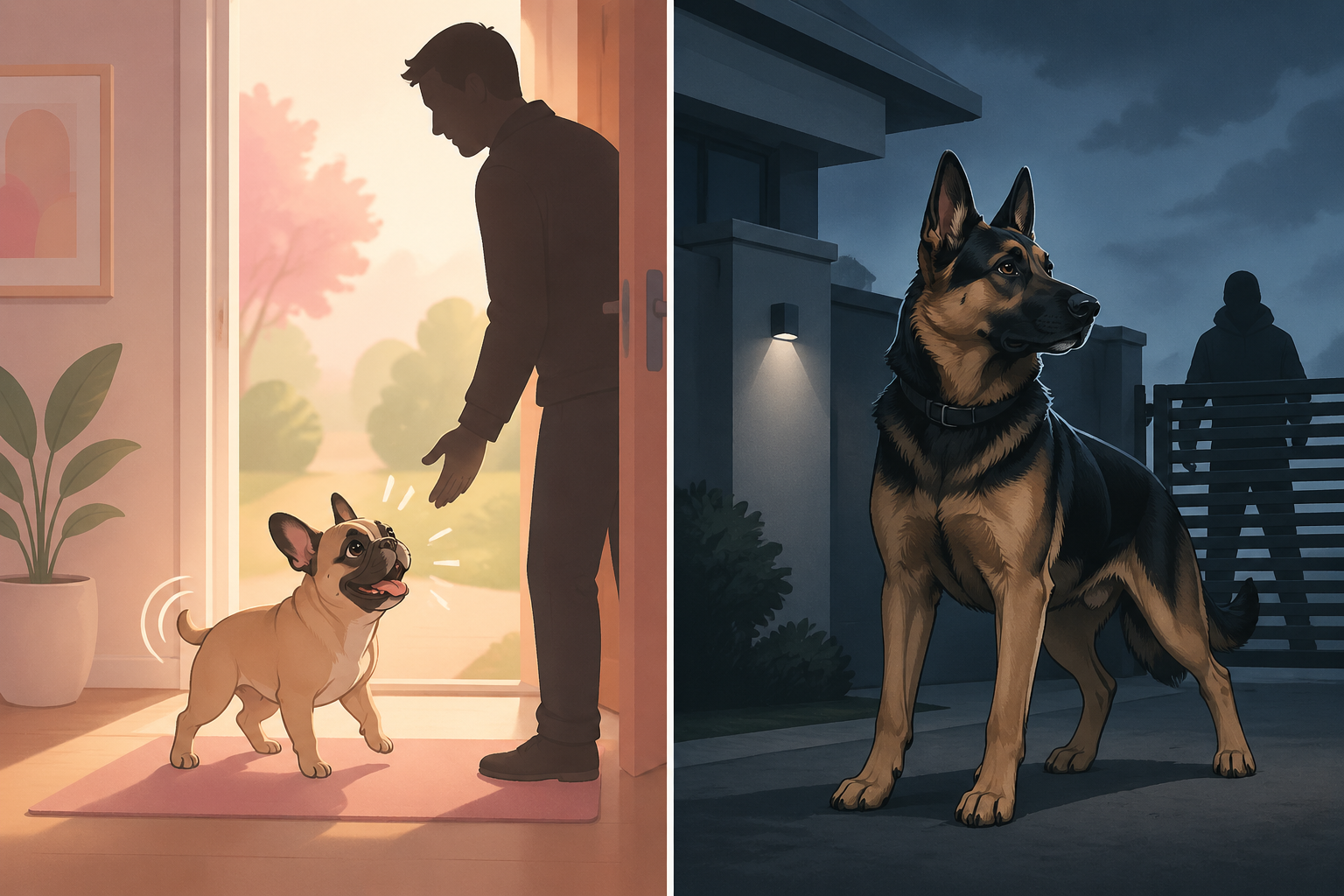
Don’t expect guard dog capabilities. Your Frenchie might bark when someone knocks, but they’ll likely greet the intruder with tail wags and demands for belly rubs. This friendly, trusting nature makes them poor protectors but excellent emotional support animals for people dealing with anxiety, depression, or loneliness.
What Are the Pros and Cons of Owning a French Bulldog
Major Advantages of French Bulldog Ownership
French Bulldogs fit beautifully into modern lifestyles. Their exercise requirements are refreshingly minimal. A quick 20 to 30-minute walk each day keeps them happy and healthy. No marathon training sessions needed.
This makes them perfect for people with demanding jobs or limited mobility. Small apartments work just fine. You don’t need a sprawling backyard or acres of land. Your Frenchie will be perfectly content lounging on the couch between short potty breaks.
The noise level is another huge plus. While many small breeds bark at every leaf that falls, French Bulldogs are surprisingly quiet. They might alert you to visitors, but they won’t drive your neighbors crazy with constant yapping. This trait alone makes them excellent apartment dogs in buildings with noise restrictions.
Grooming is wonderfully simple. Their short coat sheds minimally and never needs professional trimming or styling. No expensive grooming appointments every six weeks. A weekly brush and regular wrinkle cleaning keep them looking great. You’ll save both time and money compared to high-maintenance breeds.
Their adaptability is truly remarkable.
 City apartment or suburban house? Work from home or hybrid schedule? French Bulldogs adjust their energy and behavior to match your environment and routine. They’re equally happy in bustling urban settings or quiet residential neighborhoods.
Health Challenges and Care Considerations
The health considerations require honest discussion. Brachycephalic syndrome affects almost all French Bulldogs to some degree. That adorable flat face comes with breathing difficulties.
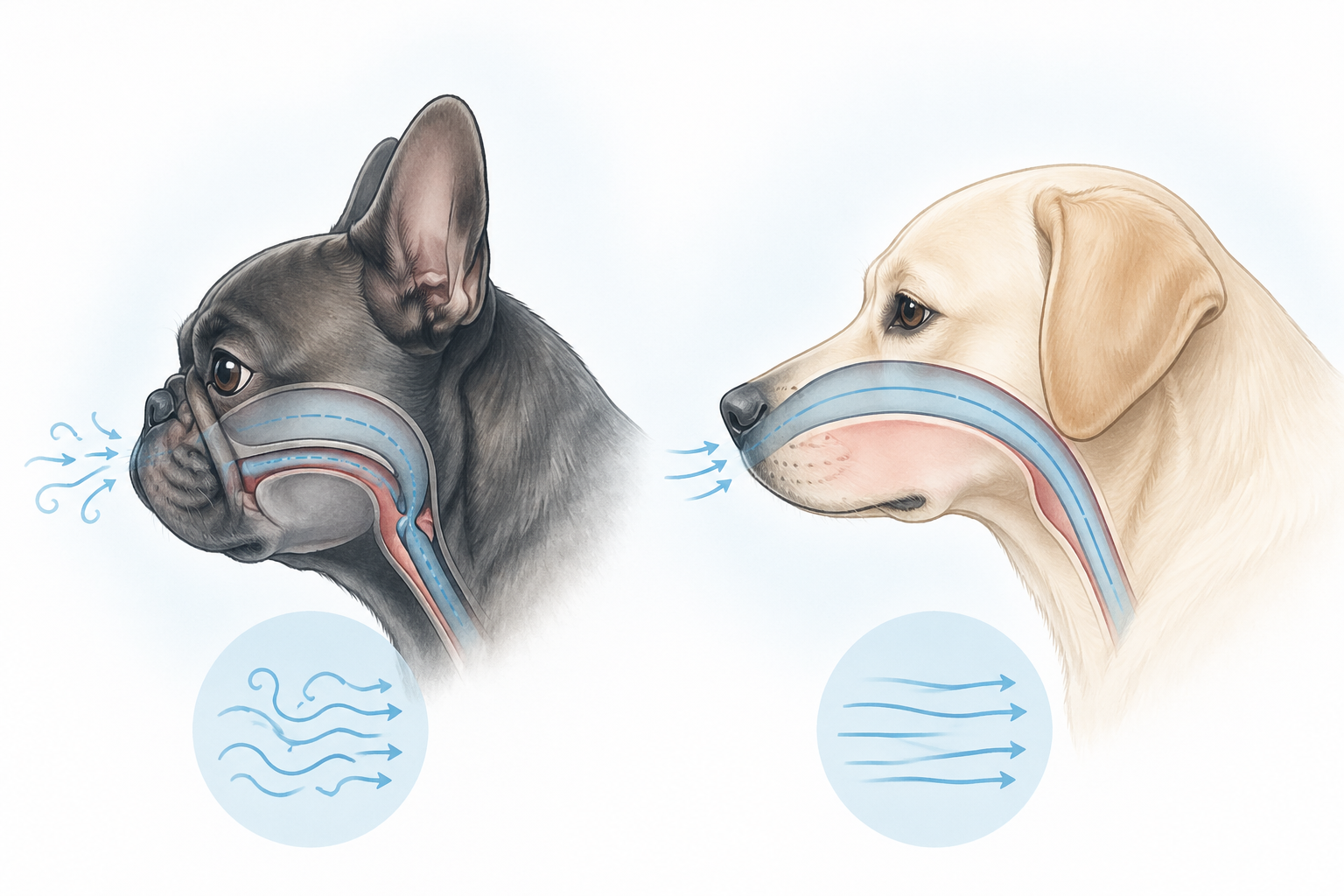 Hot weather and intense exercise can quickly become dangerous.
Summer heatwaves demand constant vigilance. Air conditioning isn’t a luxury for this breed. It’s a medical necessity. Even moderately warm days can cause respiratory distress. You’ll need to limit outdoor time during peak heat hours and always carry water.
Spinal problems are common, particularly intervertebral disc disease. Their compact bodies put pressure on the vertebrae. Hip dysplasia and various eye conditions also appear frequently in the breed. Regular veterinary monitoring catches issues early, but these checkups add up financially.
The typical lifespan ranges from 10 to 12 years with attentive care. That’s shorter than many breeds. Quality of life during those years depends heavily on managing breed-specific health vulnerabilities through preventive care and environmental controls.
Behavioral and Lifestyle Limitations
That charming stubbornness can frustrate first-time dog owners. French Bulldogs know what they want. Training requires patience and creativity. Quick five-minute sessions work better than lengthy obedience drills. They’ll test boundaries constantly.
Separation anxiety develops easily in this velcro breed. Leaving them alone for eight or ten-hour workdays creates real problems. Destructive chewing, excessive whining, and house-training regression often follow. Someone needs to be home regularly, or midday visits need to be arranged.
Active outdoor enthusiasts should look elsewhere. French Bulldogs aren’t hiking buddies or jogging partners. Their breathing limitations prevent strenuous activity. A gentle stroll is their speed.
The bodily functions deserve mention. Snoring rivals a freight train. Flatulence happens frequently, especially with certain foods. Drooling occurs, particularly around mealtime. These traits don’t bother everyone, but you need realistic expectations before bringing one home.
Social and Travel Considerations
Airline travel presents significant challenges. Most major carriers restrict brachycephalic breeds due to breathing risks during flight. Cargo holds are especially dangerous. Even cabin travel gets denied on many airlines. Road trips become your primary vacation option.
Climate-controlled environments are non-negotiable year-round. Beach vacations and desert camping trips don’t go well together. Your destination choices narrow considerably. That spontaneous weekend camping? Probably not happening with your Frenchie.
Pet insurance becomes almost essential given their health vulnerabilities. Breed-specific policies cost more, but unexpected veterinary bills can quickly reach thousands. Budget for premiums between $40 and $100 monthly.
Finding qualified pet sitters adds another layer of complexity. Not everyone understands brachycephalic care requirements. Temperature monitoring, exercise limitations, and recognition of emergency breathing crises aren’t common knowledge. You’ll need sitters experienced with flat-faced breeds, which limits your options and often increases costs.
How Much Do French Bulldogs Cost: Complete Financial Breakdown
Initial Purchase Price Ranges and Factors
The price tag for a French Bulldog from a reputable breeder typically falls between $3,000 and $8,000. That’s not a typo. These compact companions command premium prices that often surprise first-time buyers researching.
Rare color variations push prices even higher. Blue, lilac, merle, and Isabella French Bulldogs can sell for $8,000 to $15,000 or more. Some breeders charge upwards of $20,000 for exceptionally rare colorations with champion pedigrees. The standard fawn, brindle, and pied colors generally sit at the lower end of the pricing spectrum.
Several factors influence where your potential puppy falls in this range.
 Pedigree matters significantly. Dogs with champion bloodlines and extensive health testing cost more than puppies from less distinguished lines. Location plays a role, too. Breeders in major metropolitan areas like New York or Los Angeles charge higher prices than those in rural regions. Whether you want breeding rights also affects cost, as pet-quality puppies sold with spay/neuter agreements cost less than show-quality dogs sold with full breeding rights.
Here’s a crucial warning. Stay away from puppies priced under $2,000. The American Kennel Club emphasizes that rock-bottom prices almost always indicate puppy mills or backyard breeders who cut corners on health testing, proper care, and ethical breeding practices. You might save money upfront, but you will likely face thousands in veterinary bills for preventable genetic conditions.
First-Year Setup and Medical Expenses
The purchase price is just the beginning. Your first year with a French Bulldog includes substantial setup costs that catch many new owners off guard.
Initial veterinary expenses range from $500 to $1,200. This covers the puppy vaccination series, spay or neuter surgery, microchipping, and initial health screenings. Your vet will likely recommend additional testing for brachycephalic breeds to establish baseline health markers.
Essential supplies add another $300 to $600 to your first-year budget. You’ll need a properly sized crate for house training and safe containment, a supportive orthopedic bed, stainless steel food and water bowls, appropriate toys, a harness (never a collar due to breathing issues), and a sturdy leash. Quality matters with French Bulldogs since their unique body structure requires specialized equipment.
Food costs deserve special attention. Expect to spend $50 to $80 monthly on high-quality dog food formulated for sensitive digestive systems. French Bulldogs often have food allergies and digestive issues, so that cheap kibble can backfire. Many owners find that their Frenchies need limited-ingredient or prescription diets, which can cost even more.
Pet insurance deserves serious consideration. Monthly premiums range from $40 to $100, with French Bulldogs falling at the higher end due to breed-specific health risks. The ASPCA recommends insurance for brachycephalic breeds since a single emergency surgery can cost thousands. Many policies won’t cover pre-existing conditions, so enrolling your puppy early maximizes coverage.
Ongoing Annual Costs of Ownership
After the first year, ongoing expenses settle into a predictable but substantial pattern.

Annual veterinary care for a healthy French Bulldog costs $500 to $1,000. This includes wellness exams, vaccinations, heartworm prevention, flea and tick control, and routine blood work. Your vet may recommend more frequent checkups for brachycephalic monitoring.
Health issue treatments represent the wild card in your budget. French Bulldogs face numerous breed-specific conditions. BUPA surgery for breathing problems costs $2,000 to $4,000. Spinal issues may require $3,000 to $7,000 in treatment. Eye problems, allergies, and skin infections add hundreds to thousands annually. Many owners report spending $1,000 to $5,000 yearly on health-related expenses beyond routine care. Government pet spending data confirms that brachycephalic breeds incur higher medical costs than average.
Grooming and maintenance are relatively affordable, at $200 to $400 per year. French Bulldogs don’t need professional grooming, but they do require regular nail trims, ear cleaning to prevent infections in those adorable bat ears, and daily wrinkle cleaning to avoid bacterial growth. Some owners handle this themselves, while others pay groomers for monthly maintenance sessions.
Miscellaneous expenses average $500 to $1,000 annually. This covers replacement toys (Frenchies can be destructive chewers), training classes, treats, boarding or pet sitting when you travel, emergency vet visits, and unexpected needs. These costs add up faster than most people anticipate.
Cost-Saving Alternative: French Bulldog Rescue Adoption
French Bulldog rescue organizations offer a financially sensible alternative to buying from breeders. Adoption fees typically range from $300 to $1,000, dramatically less than breeder prices.
The financial benefits extend beyond the adoption fee. Rescue dogs usually come already spayed or neutered, vaccinated, and microchipped. These services would cost you $500 to $1,000 if purchased separately, meaning you’re essentially getting them included in your adoption fee.
Adult rescues let you assess personality and existing health conditions before committing. You skip the uncertainty of puppy development and know exactly what you’re getting temperament-wise. Many rescues also provide thorough veterinary examinations and disclose known health issues upfront, reducing expensive surprises.
Reputable organizations include the French Bulldog Rescue Network, French Bulldog Village, and numerous local breed-specific rescues searchable through Petfinder. These groups carefully vet adopters to ensure good matches and provide ongoing support after adoption. They’re passionate about the breed and want to see both dogs and owners succeed together.
Making the Decision: Is a French Bulldog Right for Your Lifestyle
Ideal Home Environments and Owner Profiles
French Bulldogs thrive in specific living situations. Apartment dwellers make perfect Frenchie owners since these dogs don’t need yards or constant outdoor access. Their compact size and minimal exercise requirements mean a 600-square-foot studio works just as well as a sprawling house.
Retirees often discover French Bulldogs are their ideal companions. The flexible schedule allows for constant companionship, which these velcro dogs desperately crave. If you work from home with a flexible routine, you’ve already created the perfect environment for a Frenchie to flourish. They’ll happily curl up beside your desk for hours, occasionally demanding belly rubs between Zoom calls.
Financial stability matters significantly when considering this breed. Choosing the right dog requires an honest assessment of your budget, since French Bulldogs often face costly health challenges throughout their lives. Before asking how much French Bulldogs cost, remember the purchase price is just the beginning. Thousands in annual veterinary expenses can appear without warning.
These dogs suit people who value companionship over utility. If you want a guard dog to protect your property, look elsewhere. Frenchies will likely greet intruders with enthusiastic tail wags and requests for pets. Their affectionate, entertaining personalities provide emotional rewards rather than practical security benefits.
Red Flags: When a French Bulldog May Not Be Suitable
Working long hours creates serious problems for French Bulldogs. Owners who are away from home for eight or more hours daily will return to an anxious, potentially destructive dog. Separation anxiety develops quickly in this breed, and no amount of toys or treats fully compensates for your absence.
Active lifestyle enthusiasts should reconsider. If your dream involves a dog joining your morning jogs, weekend hikes, or trail running adventures, a different breed suits your needs better. French Bulldogs overheat quickly and struggle with physical exertion beyond short, leisurely walks.
Budget constraints present legitimate concerns. Beyond the initial investment, ongoing costs for pet insurance, specialized veterinary care, and emergency treatments add up fast. What are the pros and cons of owning a French Bulldog financially? The cons often catch unprepared owners off guard when a $3,000 surgery becomes necessary to correct breathing problems.
Homes without air conditioning in hot climates create dangerous environments. Temperatures above 75 degrees pose serious health risks for brachycephalic breeds. If you live in Arizona, Texas, or Florida without reliable climate control, you’re setting yourself and your dog up for constant stress and potential tragedy.
Preparing Your Home and Life for a French Bulldog
Climate control preparation comes first. Check your cooling system’s reliability before bringing home a Frenchie. Install window treatments that block direct sunlight in rooms where your dog will spend time. Consider backup cooling options for power outages since these dogs can’t regulate body temperature effectively.
Puppy-proofing requires special attention to choking hazards. French Bulldogs explore the world with their mouths and lack the common sense many breeds possess. Remove small objects from floors and secure low cabinets. These clever little dogs learn to open cabinets and drawers surprisingly fast, gaining access to dangerous cleaning supplies or medications.
Find a veterinarian experienced with brachycephalic breeds before adoption day. Not all vets have extensive experience managing the unique health challenges French Bulldogs present. Ask about emergency protocols for breathing difficulties and overheating since you’ll likely need this information eventually.
Where should my Frenchie sleep at night? Create a designated sleeping area in your bedroom. Most owners choose either a crate or a plush dog bed positioned beside the human bed. Bedroom access strengthens your bond and reduces nighttime anxiety. Plan for someone to be available during the first few weeks as your new dog adjusts to their environment and routine.
Finding Reputable Breeders vs. French Bulldog Rescue Options
Responsible breeders perform comprehensive health testing on parent dogs. Look for OFA hip and spine certifications, CERF eye examinations, and complete genetic panels screening for hereditary conditions. They provide written health guarantees and welcome facility visits. You should meet the puppy’s parents and see where the dogs live.
Warning signs indicate problematic breeders immediately. Multiple breeds available suggest a puppy mill operation rather than a dedicated French Bulldog specialist. No health testing documentation means corners are being cut. Pressure tactics to buy quickly, refusal to allow home visits, or suggesting meeting in parking lots all signal unethical practices. Avoid these breeders entirely, regardless of lower prices.
French bulldog rescue organizations offer wonderful alternatives to buying puppies. These groups thoroughly evaluate dogs through veterinary examinations and behavioral assessments. You’ll receive honest information about medical histories, temperament quirks, and compatibility with children or other pets. Adoption fees typically range from $300 to $1,000, dramatically less than breeder prices.
Adult rescue dogs bring specific advantages. Their personalities are fully developed, eliminating the uncertainty about how a puppy might mature. House training is often complete. Energy levels are established. You’ll know immediately whether a particular dog fits your lifestyle rather than gambling on a puppy’s future temperament.
Frequently Asked Questions
Are French Bulldogs good family dogs?
French Bulldogs make excellent family dogs due to their adaptability and affection. They are equally happy living with singles, couples, or families.
Additionally, Frenchies are alert and make great watchdogs, despite not being very vocal or barky. They are also known for their easy-going temperament and are generally good with children and other pets, making them an ideal choice for families.
Are French Bulldogs expensive?
Yes, French Bulldogs can be expensive, ranging from $3,000 to $ 4,000 or more. While the average cost of a French Bulldog varies depending on factors such as age, location, and breeder, most Frenchies tend to be pricier than other breeds.
Are French Bulldogs smart?
French Bulldogs are generally considered intelligent dogs, but they may not rank as highly in obedience and working intelligence as some other breeds.
According to a survey by Stanley Coren, a professor of psychology at the University of British Columbia, Frenchies rank 109th among breeds for obedience and working intelligence.
However, it’s important to note that intelligence can manifest in various ways, and French Bulldogs are known for their adaptability and problem-solving abilities. Additionally, they have a well-tempered and affectionate personality that makes them great family pets.
How long do Frenchies live?
The average lifespan of a French Bulldog is between 9 and 12 years.
Like all dogs, a Frenchie’s lifespan can be influenced by genetics, diet, exercise, and overall healthcare. Owners must provide their French Bulldogs with proper care to help ensure they live long and healthy lives.
Are French Bulldogs hard to potty train?
French Bulldogs can sometimes be difficult to potty train, but with the right approach and consistent training, it’s certainly possible to teach them good bathroom habits.
Despite being known for their intelligence, Frenchies can be stubborn in certain situations, making potty training a bit more challenging. However, the good news is that French Bulldogs are generally easy to train, and owners can successfully teach them to use the designated potty area with the right motivators.
| Breed | Country | |
|---|---|---|
 | English Bulldog Height (inches): 14-15 Weight (Pounds): 40-50 Life Expectancy (Years): 8-10 Popularity (AKC): 5 Group (AKC): Non-Sporting | United Kingdom |
 | American Bulldog Height (inches): 20-25 Weight (Pounds): 60-100 Life Expectancy (Years): 10-12 Popularity (AKC): Not ranked Group (AKC): Foundation Stock Services | United States |
 | French Bulldog Height (inches): 11-13 Weight (Pounds): under 28 Life Expectancy (Years): 10-12 Popularity (AKC): 4 Group (AKC): Non-Sporting | France |
 | Bull Terrier Height (inches): 21-22 Weight (Pounds): 50-70 Life Expectancy (Years): 12-13 Popularity (AKC): 62 Group (AKC): Terrier | United Kingdom |
 | Boston Terrier Height (inches): 15-17 Weight (Pounds): 12-25 Life Expectancy (Years): 11-13 Popularity (AKC): 21 Group (AKC): Non-Sporting | United States |
 | Miniature Bull Terrier Height (inches): 10-14 Weight (Pounds): 18-28 Life Expectancy (Years): 11-13 Popularity (AKC): 110 Group (AKC): Terrier | United Kingdom |