
 Home
Home Store
StoreBrachycephalic Syndrome

Mar
Brachycephalic Syndrome (also called Brachycephalic Obstructive Airway Syndrome, or BOAS) is a group of breathing problems that affect dogs with short, flat faces and shortened skulls. It is most commonly seen in breeds such as Bulldogs, French Bulldogs, Pugs, Boston Terriers, Shih Tzus, and Pekingese, although any dog with a brachycephalic head shape may be affected. These dogs have compressed skulls, but the soft tissues within the nose, mouth, and throat may not be proportionally reduced. As a result, there may be too much tissue crowded into a shortened airway, making it harder for air to move freely in and out of the lungs.
Common features of BOAS can include narrow nostrils, an elongated soft palate, an abnormally narrow windpipe, and swollen or everted tissues around the larynx. These changes can lead to noisy breathing, snoring, gagging, coughing, exercise intolerance, and difficulty cooling down after activity or in warm weather. In more severe cases, affected dogs may struggle to breathe, collapse, or develop a bluish tint to the gums due to low oxygen levels.
Because dogs rely heavily on panting to regulate body temperature, brachycephalic dogs are also at increased risk of overheating and heatstroke. Early recognition, weight management, careful exercise control, and veterinary evaluation are important for improving comfort and reducing complications. In some cases, surgery may be recommended to widen the nostrils or shorten excess soft palate tissue, helping to open the airway and improve breathing.
Breeds Commonly Affected
Some of the breeds most often affected include:


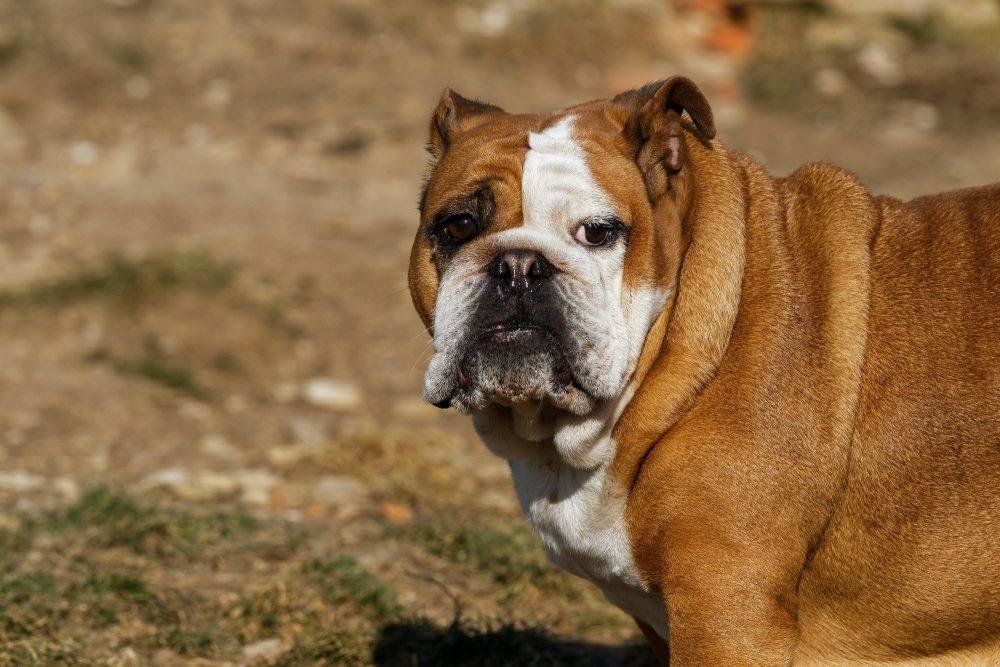
- French Bulldog
- Pug
- English Bulldog
- Boston Terrier
- Shih Tzu
- Pekingese
What Causes It?
Common anatomical abnormalities include:
- Stenotic nares (narrow nostrils)
- Elongated soft palate that partially blocks the airway
- Hypoplastic trachea (abnormally narrow windpipe)
- Everted laryngeal saccules (tissue pulled into the airway)
These features make it harder for affected dogs to move air efficiently.
Signs and Symptoms
Dogs with Brachycephalic Syndrome may show:
- Loud snoring, even when awake
- Snorting and noisy breathing
- Exercise intolerance
- Excessive panting
- Difficulty breathing in hot weather
- Gagging or retching
- Sleep disturbances
- Blue-tinged gums during severe episodes
- Collapse in extreme cases
Why Heat Is So Dangerous
Dogs cool themselves primarily through panting, which allows moisture to evaporate from the tongue, mouth, and upper respiratory tract, helping release excess body heat. Because brachycephalic dogs—such as Bulldogs, Pugs, French Bulldogs, and Boston Terriers—already have shortened muzzles and restricted airways, this cooling process is much less efficient for them. Their anatomy can make it harder to move enough air in and out, especially when they are excited, exercising, stressed, or exposed to high temperatures.
As a result, brachycephalic dogs are at a significantly increased risk of heatstroke, particularly during warm or humid weather and after strenuous activity. Even a short walk on a hot day or time spent in a poorly ventilated area can become dangerous. Owners should provide plenty of fresh water, avoid exercise during the hottest parts of the day, keep dogs in shaded or air-conditioned spaces, and watch closely for warning signs such as excessive panting, drooling, weakness, vomiting, or collapse.
Treatment Options
Treatment depends on severity and may include:
- Weight management
- Avoiding overheating
- Limiting strenuous activity in hot weather
- Surgical correction of narrowed nostrils
- Shortening an elongated soft palate
- Other airway surgeries when necessary
Many dogs experience significant improvement after corrective surgery.
Living With a Brachycephalic Dog
Owners should:
- Keep the dog at a healthy weight.
- Exercise during cooler parts of the day.
- Provide air conditioning or shade in hot weather.
- Use a harness instead of a neck collar to reduce pressure on the airway.
- Monitor for worsening breathing difficulties.
A Simple Way to Think About It
Imagine trying to breathe through a narrow straw while jogging. That’s similar to what many dogs with Brachycephalic Syndrome experience every day. While some snorting and snoring may seem “normal” for flat-faced breeds, significant breathing noise, exercise intolerance, or heat sensitivity can indicate a medical problem that should be evaluated by a veterinarian.