

Oct
AKC Groups, Toy Group
Pomeranian: The Biggest Little Dogs In The World
Where Do Pomeranians Come From?
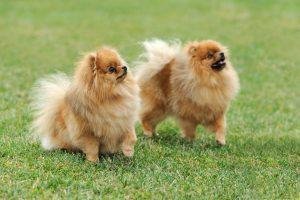 The Pomeranian (Pom), with its upright ears and a thick double coat of straight hair, demonstrates its spitz heritage. The Pom’s more immediate ancestor is the German Spitz. The Pom’s ancestors were probably much larger sled dogs from the cold Nordic countries of Europe.
It took until 1974 before Germany recognized the Pomeranian breed. The German Spitz was the collective name for all five sizes.
Some of those dogs made their way to Pomerania, an area that is now part of Poland and Germany. Breeders in Pomerania significantly reduce the dog’s size, so you may have trouble getting your Pom to pull your heavy dog sled.
The Pom’s popularity increased dramatically when Queen Victoria discovered the breed in Italy in 1888. She became highly fond of Poms and, at one time, reportedly owned 35 of them. One of her Poms became such a beloved pet that she asked for him (“Turi”) while lying on her deathbed.
When the Kennel Club (England) was established in 1873, one of the first breeds recognized was the so-called Spitz dog. At the time, the first Poms displayed weighed almost 18 pounds.
As early as 1892, Poms were displayed in the Miscellaneous Class in the United States. The standard classification wasn’t offered in New York until 1900. The American Kennel Club approved the Pomeranian in 1900 and established the American Pomeranian Club (APC). APC became the official Parent Club for the breed when it was admitted as a Member Club of the AKC in 1909.
What Do s Look Like?
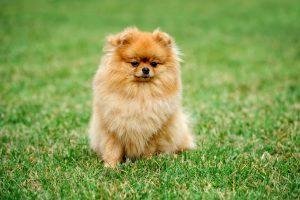 Poms are small dogs (6-7 inches and 3-7 pounds) in the AKC’s Toy Dog Group. Due to their spitz heritage, Poms have a double coat of thick straight hair, pointed upright ears, and a pointed muzzle. It has a glorious plumed tail that should droop on its back.
The Pom’s coat comes in just about all the colors in the rainbow and a few that aren’t. However, the most popular colors include orange, black, cream, and white. Some of the newer color combinations include brindle and merle pomeranian.
The Pom does shed a moderate amount and so is not considered hypoallergenic. They are tiny, so they won’t spread as much hair around the house as larger dogs that shed, such as St. Bernard.
You can prevent some hair from spreading by brushing your Pom frequently or at least once a week. Frequent brushing can also prevent tangles which can be a nuisance for you and your dog. Most owners will find it worthwhile to take their dogs to a competent groomer every six weeks. They should get a complete doggie overhaul, including a bath, nail trimming, expressing anal glands (yuk), and cleaning their ears.
Are Pomeranians Easy To Train?
 Stanley Coren’s book, “The Intelligence of Dogs, ranks Poms number 23, which means they are above average in dog intelligence and are among the easier to train. They can sometimes be a little stubborn because they have a mind of their own. The Pomeranian has a larger-than-life personality and likes to be the center of attention.
House training this breed is as easy as getting it to perform basic tricks such as sitting up and rolling over. The key to success is to be consistent, reward good behavior, and not punish the dog when it acts with a bit of independence.
Are Pomeranians Good With Kids?
Poms are companion dogs and love to play with children of all ages. They are a tiny breed, so be careful with rough play to prevent any risk of injury. Most small dogs dislike being pulled on their tails or ears and may respond to such rude behavior by growling, barking, or even nipping. It would be best if you always supervise small children around any dog.
Poms, especially as they age, make excellent and affectionate lap dogs. They have a perky look at me. I’m the most important thing in the room attitude and may vocalize (bark) if you ignore them.
As watchdogs, Poms quickly announce whenever someone is at the door. They may bark more often and longer than the situation deserves, and you may need to train them to reduce annoying yapping.
Are Pomeranians Healthy?

Although it looks like a dainty dog, the Pom is sturdy and generally healthy. Proper care and diet make their average lifespan 12 to 16 years.
The Pom may inherit a few health issues the breeders should screen. These include luxating patella, hypothyroidism, collapsing tracheas, congestive heart failure, seizures, and alopecia. For more information on their health concerns, read the Pomeranian Health Statement.
How Much Do Pomeranians Cost?
A Pom puppy will likely cost between $1,000 to $3,000. Dogs with impressive pedigrees can cost several thousands of dollars. As with any dog breed, only buy from reputable breeders.
Even dogs as cute as Poms are sometimes available as a rescue. You can start your search for a rescue Pom by visiting the American Pomeranian Club website. Their website will also be helpful if you are looking for a puppy or want additional information.
A Pomeranian named “Great Elms Prince Charming II” won best-in-show for the 1988 Westminster Kennel Club Dog Show. While we have no information on whether Prince Charming was a father, his offspring, if any, would likely have been very expensive.
As an aside, Prince Charming was the only Pomeranian to win Best in Show. As of 2020, Toy Dog breeds have won the prize 11 times. However, they lag far behind the Terrier Group, which has won 47 times.
Famous People Who Owned Pomeranians
Queen Victoria of England may have been the person who gets credit for making the Pomeranian a popular dog breed, but she was not the first British royal to own one. Queen Charlotte, from Mecklenburg, Germany (a neighboring territory of Pomerania), brought Pomeranian dogs with her when she married King George III (King of England during the American Revolution).
Michelangelo, the great Italian artist, owned a Pomeranian. Legend, myth, or even actual history states that his favorite Pomeranian relaxed on a satin pillow and watched Mike paint the Sistine Chapel. I’m not sure if the dog ever barked his approval.
Other celebrities owned by Pomeranians include Paris Hilton, Leann Rimes, Gwen Stefani, Sharon and Kelly Osbourne, and Hilary Duff. The list is heavily weighted toward women, but some of the male celebrities who owned Poms include Sylvester Stallone, David Hasselhoff, and Keanu Reeves.
Compare dog breeds:
| Breed | Stats | Origin |
|---|---|---|
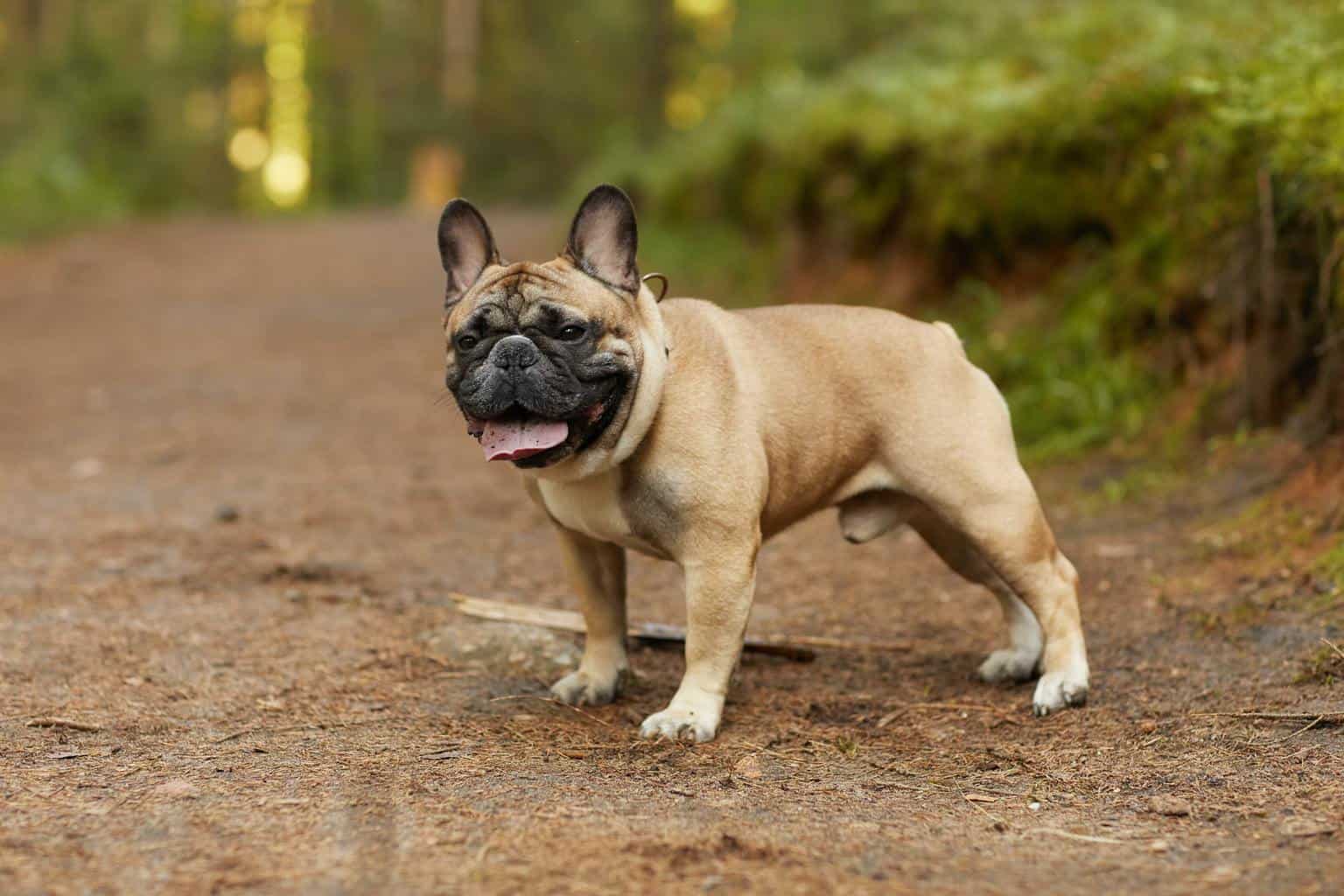 | French BulldogHeight (Inches): 11-13 Weight (Pounds): under 28 Life Expectancy (Years): 10-12 Popularity (AKC): 2 Group (AKC): Non-Sporting | France |
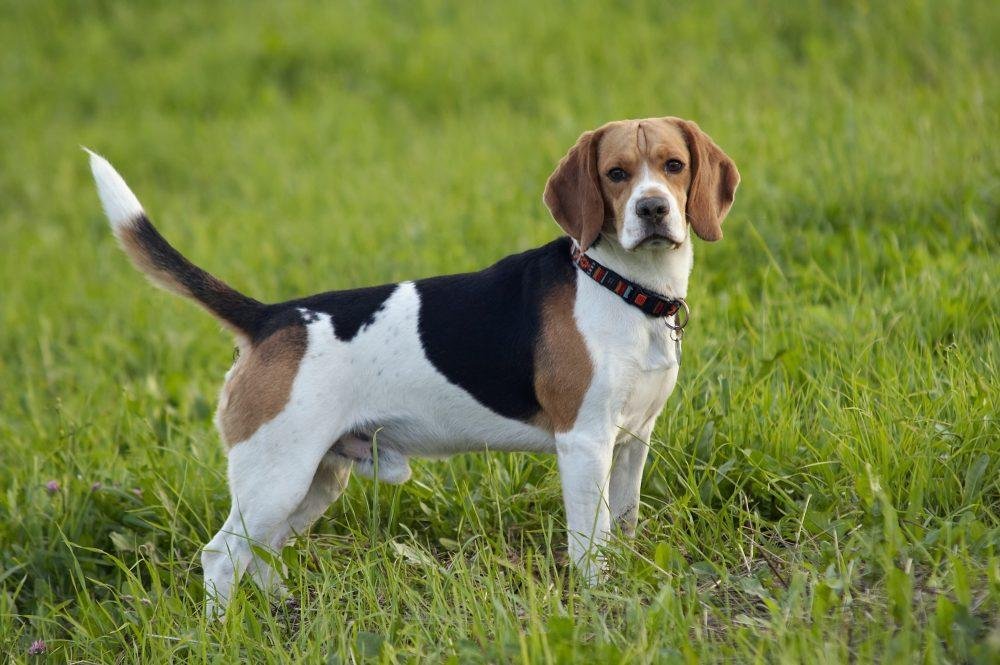 | BeagleHeight (Inches): under 15 Weight (Pounds): under 30 Life Expectancy (Years): 10-15 Popularity (AKC): 7 Group (AKC): Hound | England |
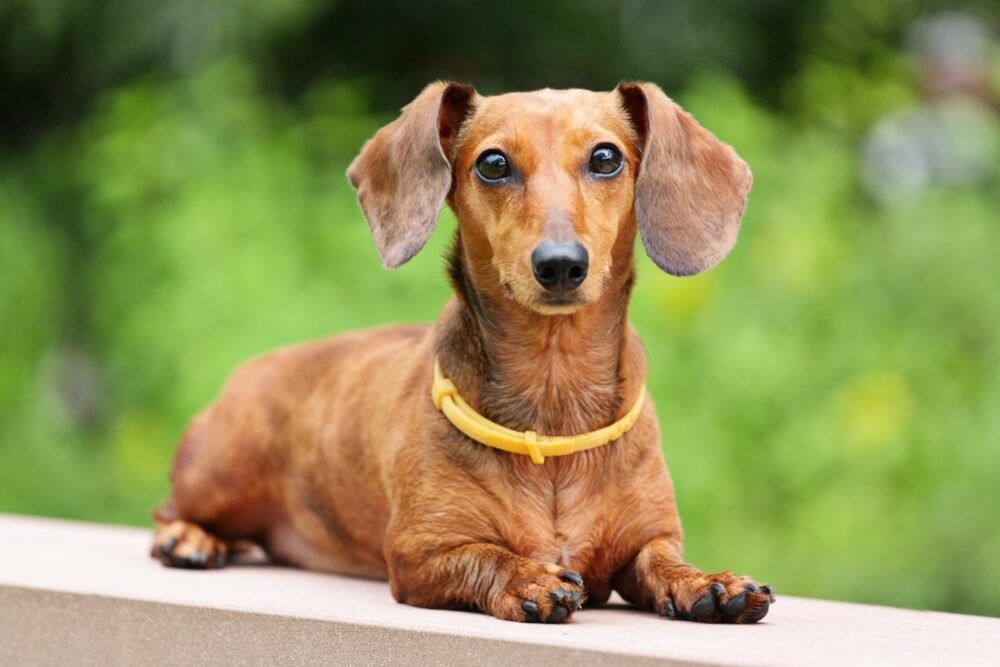 | DachshundHeight (Inches): 12-16 Weight (Pounds): up to 30 Life Expectancy (Years): 12-16 Popularity (AKC): 10 Group (AKC): Hound | Germany |
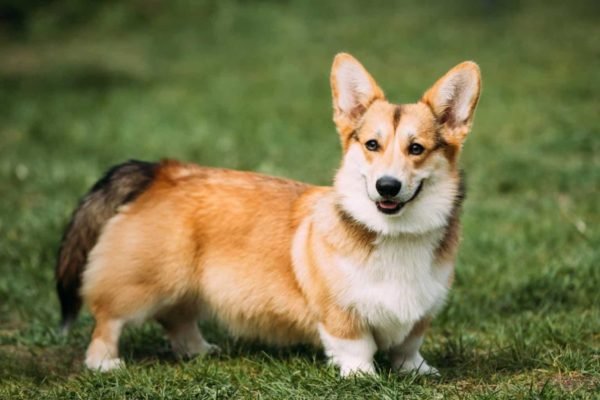 | Pembroke Welsh CorgiHeight (Inches): 10-12 Weight (Pounds): up to 30 Life Expectancy (Years): 12-13 Popularity (AKC): 11 Group (AKC): Herding | England |
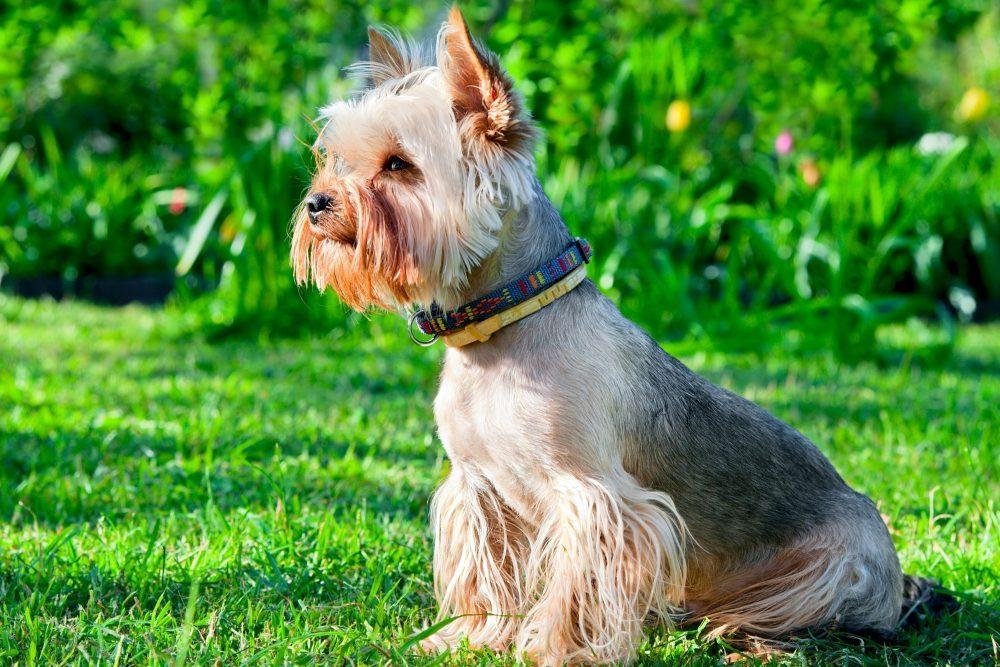 | Yorkshire TerrierHeight (Inches): 7-8 Weight (Pounds): 7 Life Expectancy (Years): 11-15 Popularity (AKC): 13 Group (AKC): Toy | England |
 | Cavalier King Charles SpanielHeight (Inches): 12-13 Weight (Pounds): 13-18 Life Expectancy (Years): 12-15 Popularity (AKC): 15 Group (AKC): Toy | England |
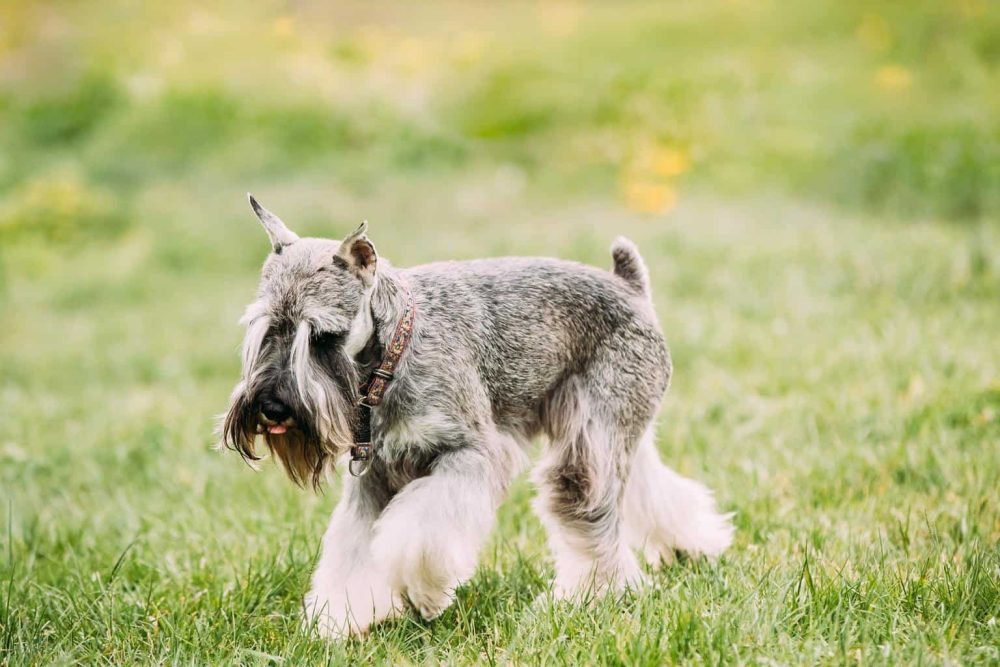 | Miniature SchnauzerHeight (Inches): 12-14 Weight (Pounds): 11-20 Life Expectancy (Years): 12-15 Popularity (AKC): 18 Group (AKC): Terrier | Germany |
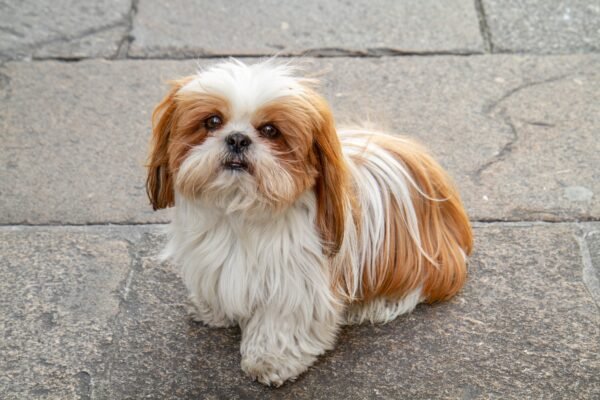 | Shih TzuHeight (Inches): 9-10.5 Weight (Pounds): 9-16 Life Expectancy (Years): 10-18 Popularity (AKC): 22 Group (AKC): Toy | China |
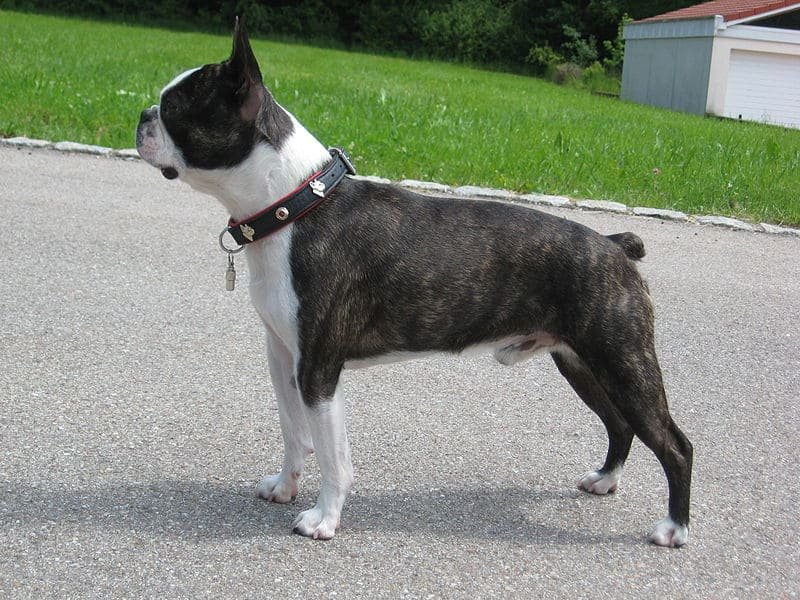 | Boston TerrierHeight (Inches): 13-15 Weight (Pounds): 12-25 Life Expectancy (Years): 11-13 Popularity (AKC): 23 Group (AKC): Non-Sporting | United States |
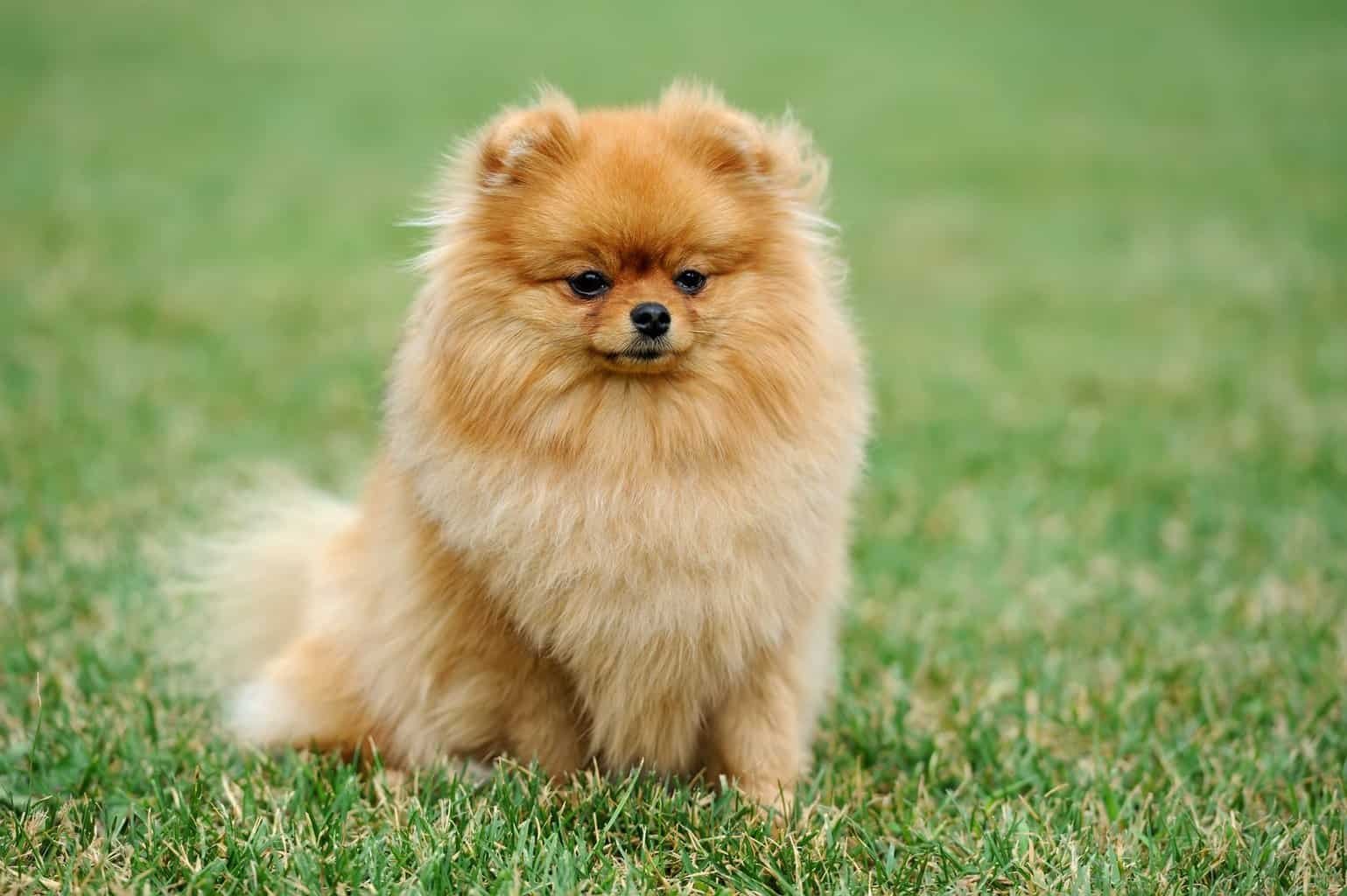 | PomeranianHeight (Inches): 6-7 Weight (Pounds): 3-7 Life Expectancy (Years): 12-16 Popularity (AKC): 24 | Pomerania (Poland and Germany) |
