 Home
Home Store
StoreKishu Ken: 7 Fascinating Facts
May
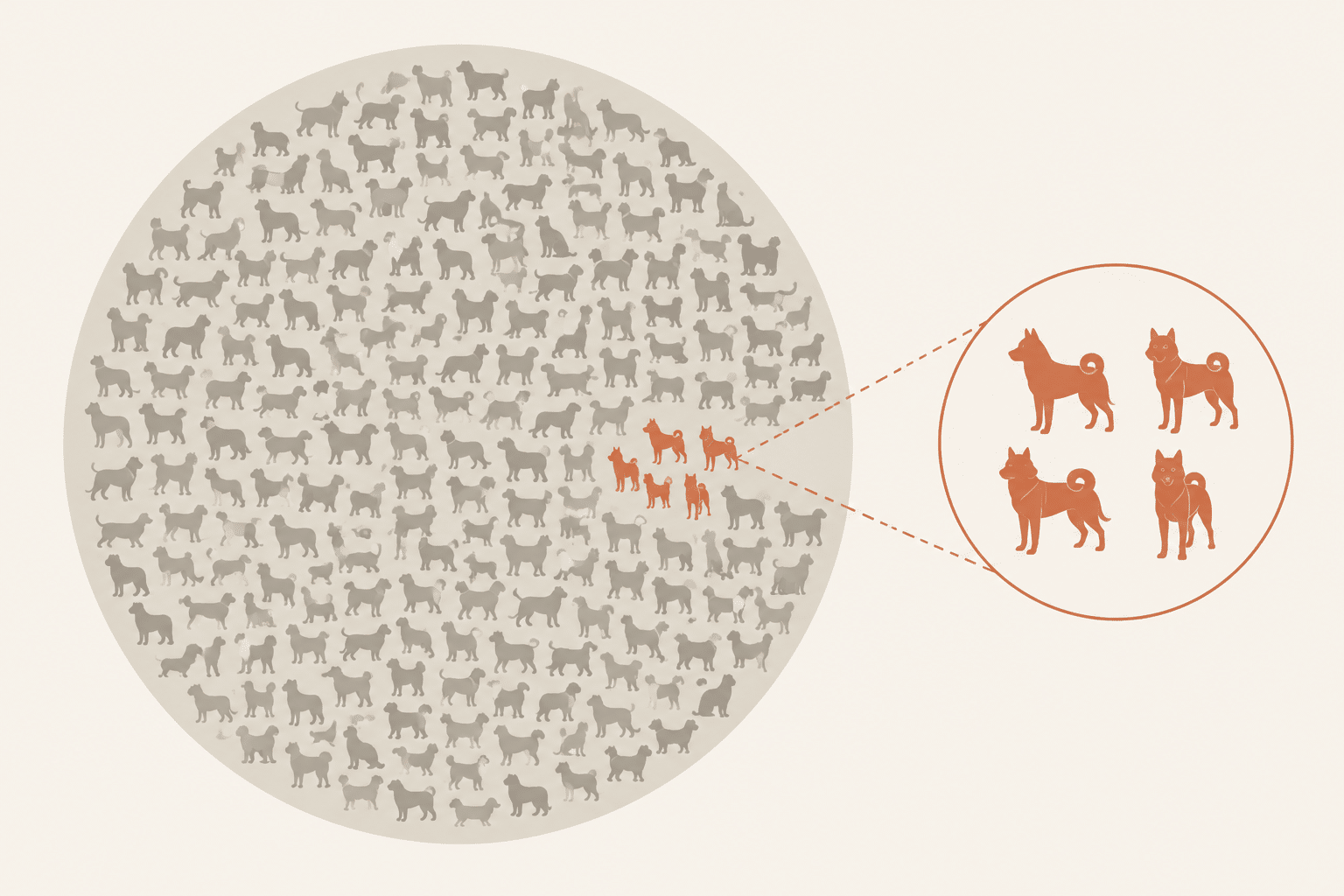
Most dog lovers can rattle off dozens of breeds without breaking a sweat. But mention the Kishu Ken, and you’ll usually get a blank stare. This ancient Japanese breed has been around for roughly 3,000 years, it’s designated as a National Monument in Japan, and yet fewer than 700 are registered each year, even in its homeland. Outside Japan, they’re almost impossible to find.
That rarity means good information is hard to come by. The Kishu Ken is often lumped in with other Japanese breeds like the Shiba Inu or Akita, but it has a personality all its own. These are fiercely loyal, independent dogs that bond deeply with one person and think for themselves. They’re not the right fit for everyone, and misunderstanding them is one of the top reasons they end up rehomed.
This post covers seven things worth knowing about the Kishu Ken, from their hunting origins and striking physical traits to their health, training needs, and what it actually takes to find one. Whether you’re seriously considering the breed or just curious, you’ll walk away with a much clearer picture.
1. The Kishu Ken’s 3,000-Year Legacy
Origins in the Mountainous Kishu Region
The Kishu Ken isn’t some trendy designer breed created in the last century. This dog has a serious history. We’re talking about over 3,000 years of existence in the rugged mountain terrain of what are now the Mie and Wakayama prefectures in southern Japan. Picture steep, densely forested slopes where visibility is limited, and the terrain constantly tests your footing.

The matagi, traditional Japanese hunters who lived deep in these mountain communities, needed a hunting partner who could handle wild boar and deer. Not exactly small game. These hunters bred dogs specifically for courage, independence, and the ability to track and corner dangerous prey through thick forests without constant human direction. The Kishu Ken became their answer to these demanding conditions.
By 1934, Japan recognized what it had. The breed was designated a National Monument of Japan, which isn’t just an honorary title. This legal protection helped preserve the breed’s purity and prevent the genetic dilution that has affected many working dog breeds worldwide.
Recognition as a Living Cultural Treasure
Japan doesn’t hand out cultural treasure status lightly. The Kishu Ken earned its place as one of only six native Japanese spitz breeds officially protected by the Nihon Ken Hozonkai (NIPPO), the organization dedicated to preserving Japan’s indigenous dog breeds. Think of NIPPO as the ultimate gatekeeper for these ancient bloodlines.
Even in Japan, this breed remains incredibly rare.
Evolution from Hunter to Companion
Today’s Kishu Ken lives a different life than its ancestors, but don’t be fooled into thinking they’ve gone soft. While the breed has transitioned from being primarily working hunting dogs to cherished family companions, that strong prey drive hasn’t disappeared. In rural Japanese communities, modern Kishu Ken still participate in traditional hunting activities. The instinct runs deep.
Their hunting heritage shows up constantly in everyday behavior. That independence you’ll notice? It comes from dogs who had to make split-second decisions while tracking dangerous game without waiting for human input. The alertness that makes them excellent watchdogs? Bred into them through countless generations of needing to detect threats in the wilderness. Their strong territorial instincts? Those kept both the hunter and the dog safe in isolated mountain conditions where trust and loyalty meant survival.
2. Unmatched Loyalty
Deep Bonding with Primary Caretaker
The Kishu Ken takes loyalty to a whole different level. These dogs don’t just love their families. They choose one person and bond completely with them.
You’ll notice this behavior right away if you bring a Kishu Ken into your home. They’ll shadow their chosen person from room to room, settling nearby while that person works, cooks, or watches TV. This isn’t clinginess in the annoying sense. It’s more like having a devoted companion who simply prefers your company above all others.
Research on canine behavior helps explain the origin of this trait. For thousands of years, these dogs worked alongside individual hunters in the isolated mountain regions of Japan. A Kishu Ken would spend weeks or months tracking wild boar and deer through dense forests alone. That working relationship created dogs who naturally form incredibly strong bonds with a primary caretaker.
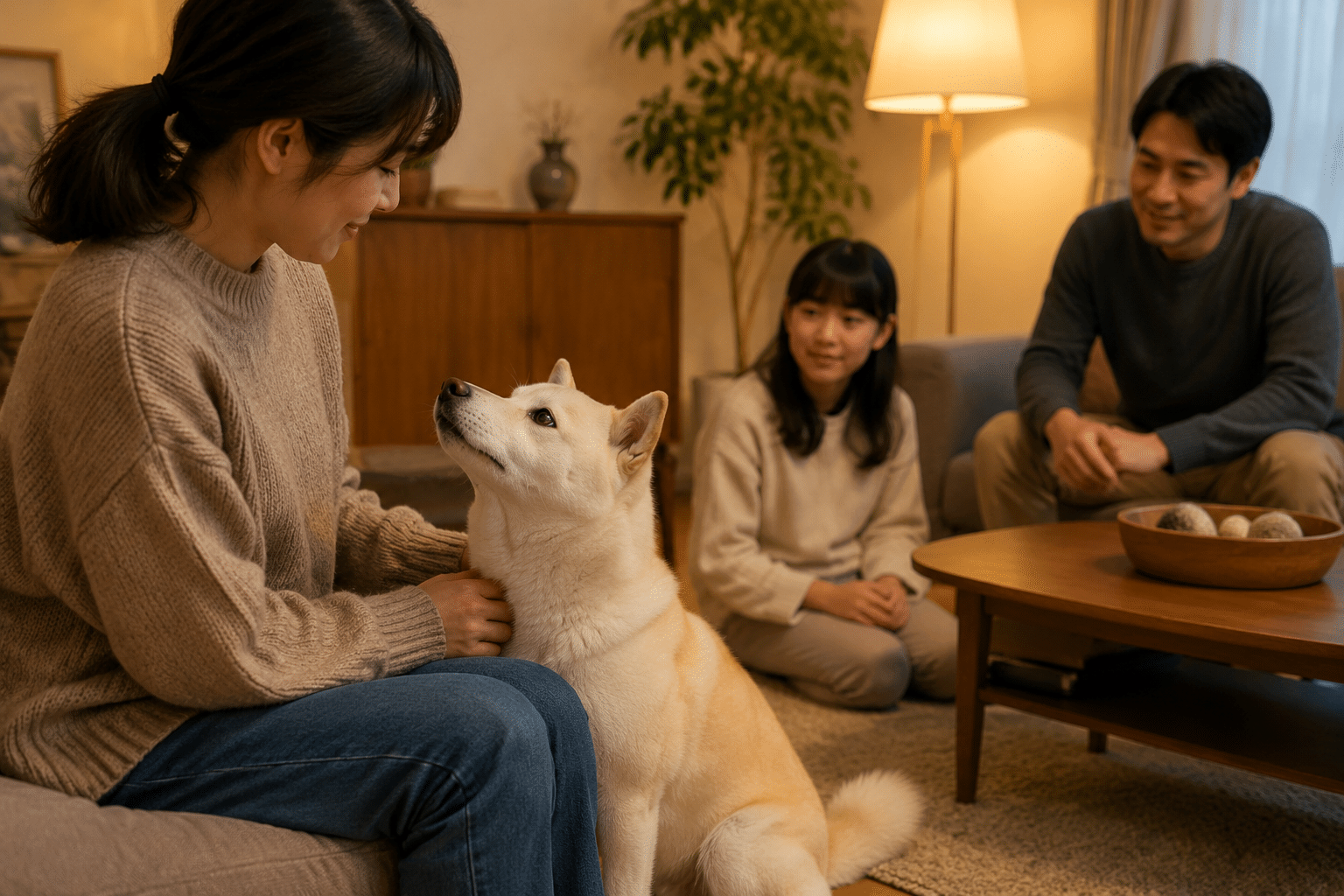
Your Kishu Ken will be affectionate with everyone in the family, don’t get me wrong. They’ll accept pets and attention from others. But they respond fastest to their chosen person’s commands. They watch that person’s face for cues. They get most excited when their favorite human comes home.
Other family members need to understand this dynamic before bringing a Kishu Ken home. Some people find it charming. Others might feel a bit left out. If you’re the primary caretaker and your partner was hoping for an equally devoted companion, there could be some disappointment.
Reserved Yet Protective Nature
With strangers, the Kishu Ken becomes a completely different dog. That warm devotion they show their family vanishes. Instead, you’ll see a cool assessment.
They won’t rush up to greet visitors at the door. They won’t wag their tails at the friendly person approaching you during walks. A Kishu Ken stands back and observes. They’re naturally aloof with people outside their inner circle.
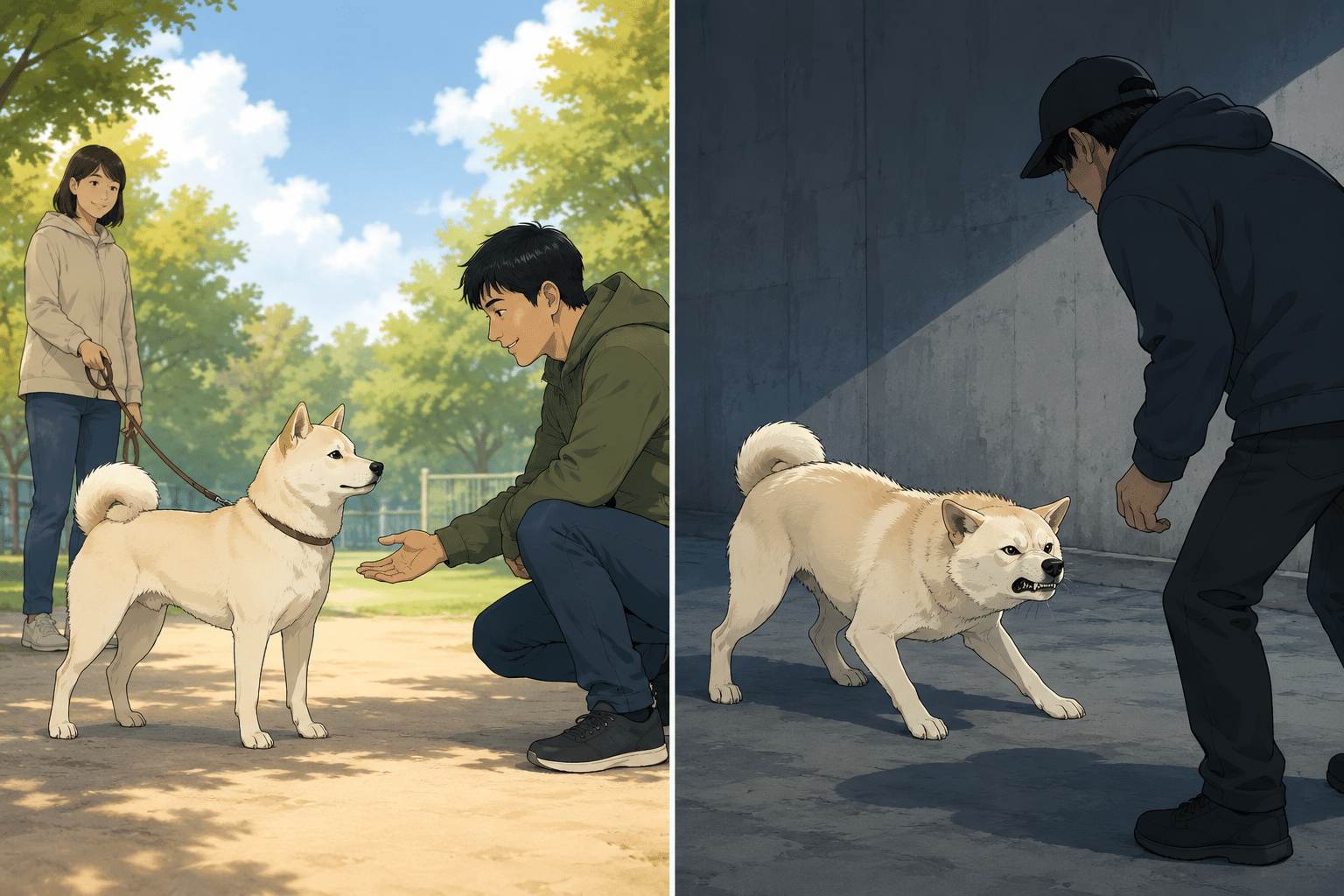
This wariness can slide into aggression without proper socialization.
What makes Kishu Ken excellent watchdogs is their quiet vigilance. They won’t bark at every leaf that blows past the window. Unlike many guard breeds that loudly announce everything, the Kishu Ken watches silently. When they do alert you to something, you can trust it matters.
Their protective instinct runs deep but stays controlled. They don’t react impulsively. Before deciding how to respond to an unusual situation or person, they assess carefully. This measured approach means fewer false alarms and more genuine protection when needed.
Family Dynamics and Children
Kishu Ken can be wonderful with kids, but there’s a catch. They need to grow up with those children from puppyhood.
When raised alongside children from the beginning, Kishu Ken typically show remarkable patience and gentleness. They tolerate the noise, the occasional tail grab from a toddler, and the general chaos that comes with kids. Many families report that their Kishu Ken becomes a loyal guardian for their children, watching over them during play.
But unfamiliar children present challenges. The Kishu Ken’s reserved nature extends to kids they don’t know. They don’t appreciate rough play from children outside the family, and they have clear boundaries about their personal space. A child who runs up to pet them without permission might get a warning growl or even a snap if the dog feels cornered.
Families with older children make the best match. The American Veterinary Society of Animal Behavior recommends this breed for homes where kids understand dog body language and respect boundaries. Younger children who haven’t developed these skills yet could unintentionally provoke a negative response.
Supervision is non-negotiable, even with your own children. That strong prey drive we mentioned earlier? It can kick in when kids are running around screaming during play. The dog might chase, which could frighten a child or lead to accidental injuries. Teaching both your Kishu Ken and your children appropriate interaction rules creates a safer, happier household for everyone.
3. Physical Characteristics
Distinctive Appearance and Build
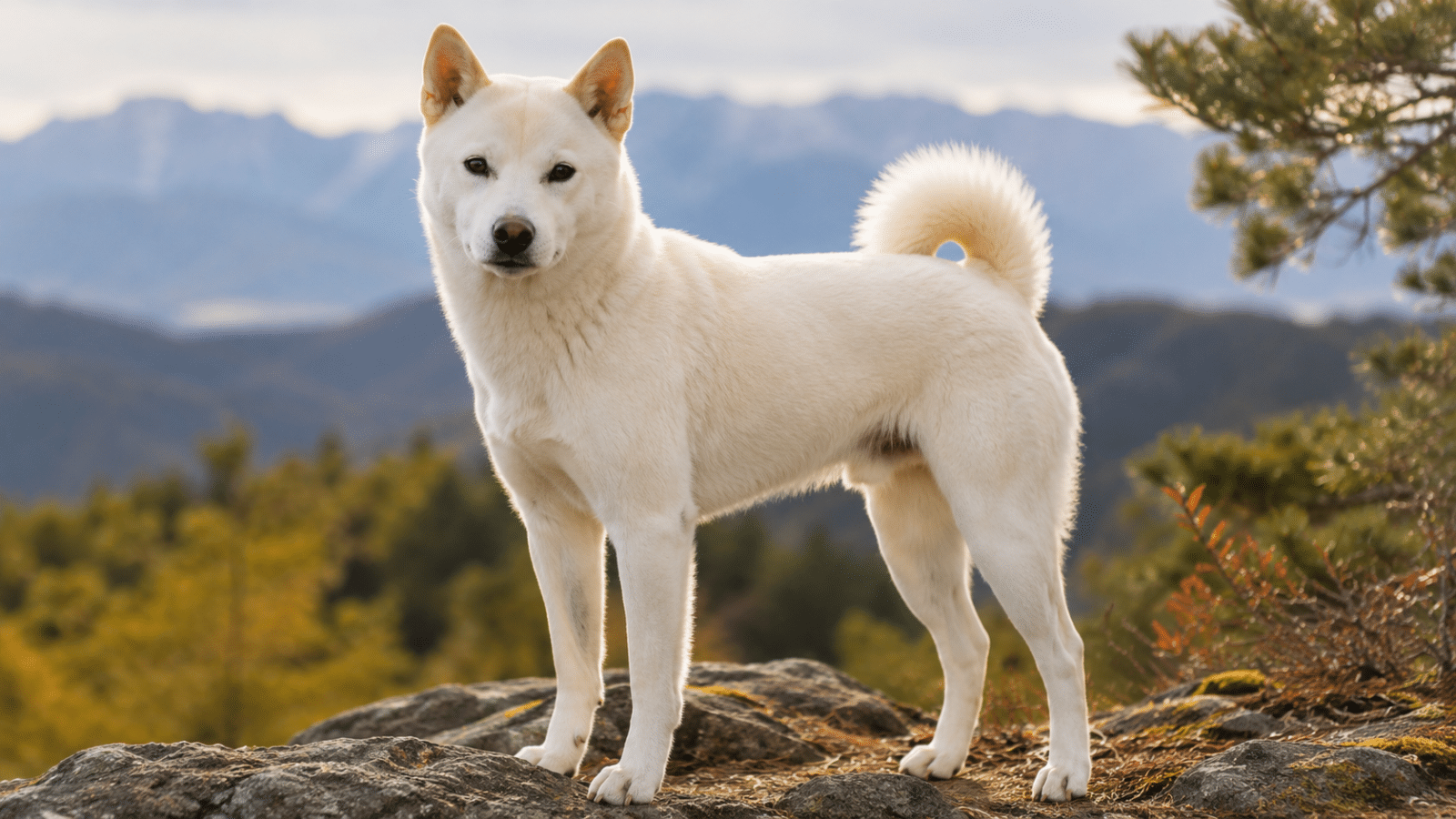
The Kishu Ken looks exactly like what it is: a mountain hunter built for endurance and agility. Standing 17 to 22 inches at the shoulder, these dogs hit that perfect medium-size sweet spot. Weight ranges from 30 to 60 pounds, with males consistently weighing more than females.
Their build screams athleticism without the bulky muscle mass you’d see in larger working breeds. Every proportion is balanced for a reason. The compact frame lets them navigate steep, rocky terrain with ease, while their muscular hindquarters provide explosive power when they need to leap or change direction quickly. This isn’t a dog built for sitting pretty. It’s engineered for performance.
The head shape is distinctly wedge-shaped, giving the Kishu Ken that classic primitive look shared by other Japanese breeds. Small, triangular ears stand fully erect, constantly swiveling to catch every sound. Those dark, almond-shaped eyes? They’re always watching, always assessing. The expression manages to look both intelligent and slightly reserved at once, which pretty much sums up the breed’s personality.
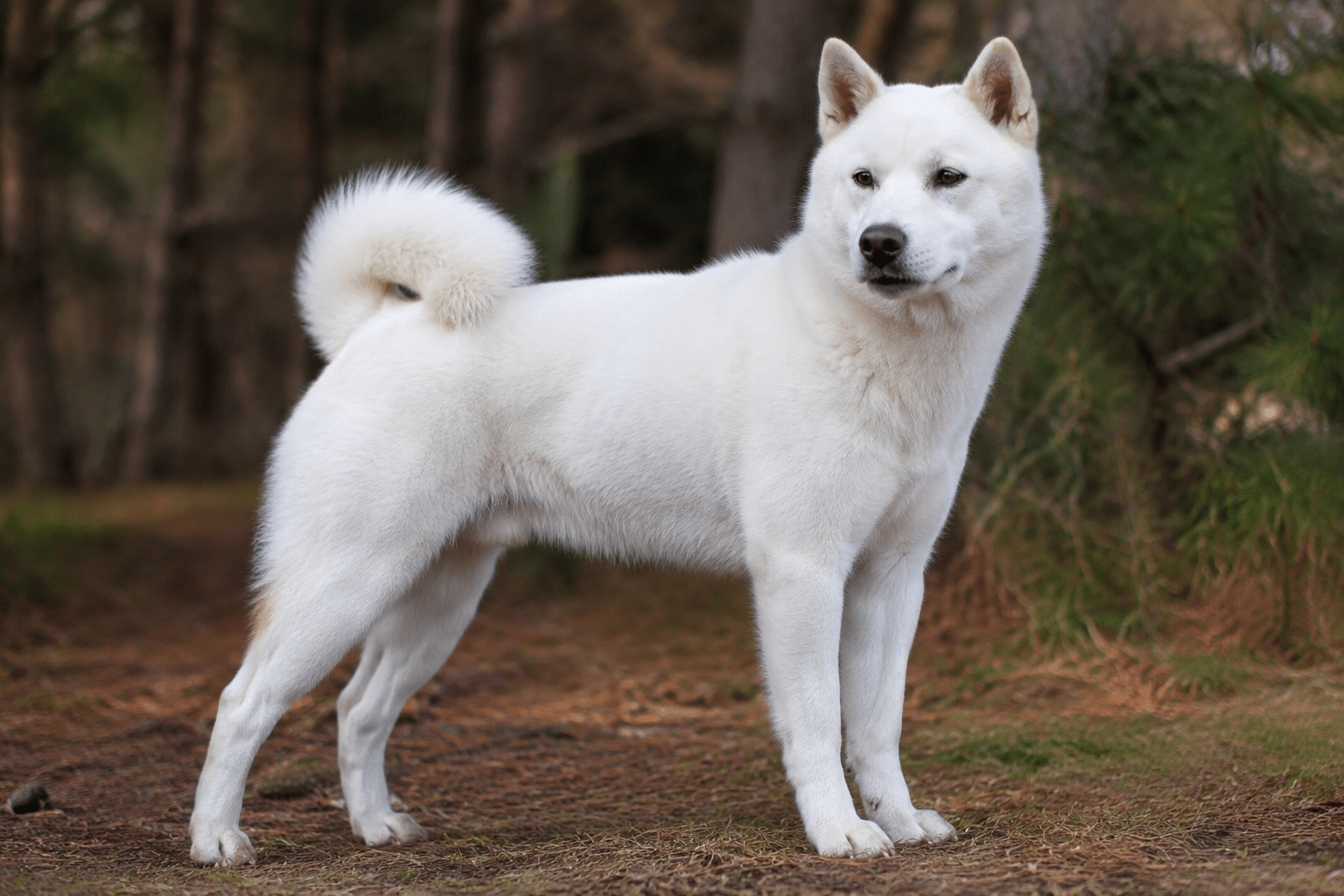
The tail curls elegantly over the back in true spitz fashion. It’s not just decorative. That curl actually helped protect working Kishu Ken from harsh mountain weather by keeping snow and rain off their backs during long hunting expeditions.
Coat Colors and Grooming Requirements
Walk into a gathering of Kishu Ken, and you’ll notice most of them are white. Solid white is by far the most common color, though the breed standard recognizes red and sesame variations as well. These colored versions are significantly rarer, especially outside Japan.
That gorgeous double coat does come with maintenance requirements. The short, dense fur sheds moderately throughout the year, so nothing you can’t handle with weekly brushing. Twice a year, though, all bets are off. When the Kishu Ken blows its undercoat seasonally, you’ll wonder if you adopted a dog or a fiber production facility. Daily brushing becomes non-negotiable during these periods unless you want tumbleweeds of fur rolling through your house.
The good news? Outside shedding season, grooming is refreshingly straightforward. A weekly brush and occasional baths keep them looking sharp. White-coated dogs might need slightly more frequent cleaning to maintain that pristine appearance, especially if they enjoy romping through mud or dirt. But don’t worry, the white coat doesn’t create any special health concerns.
Athletic Requirements and Energy Levels
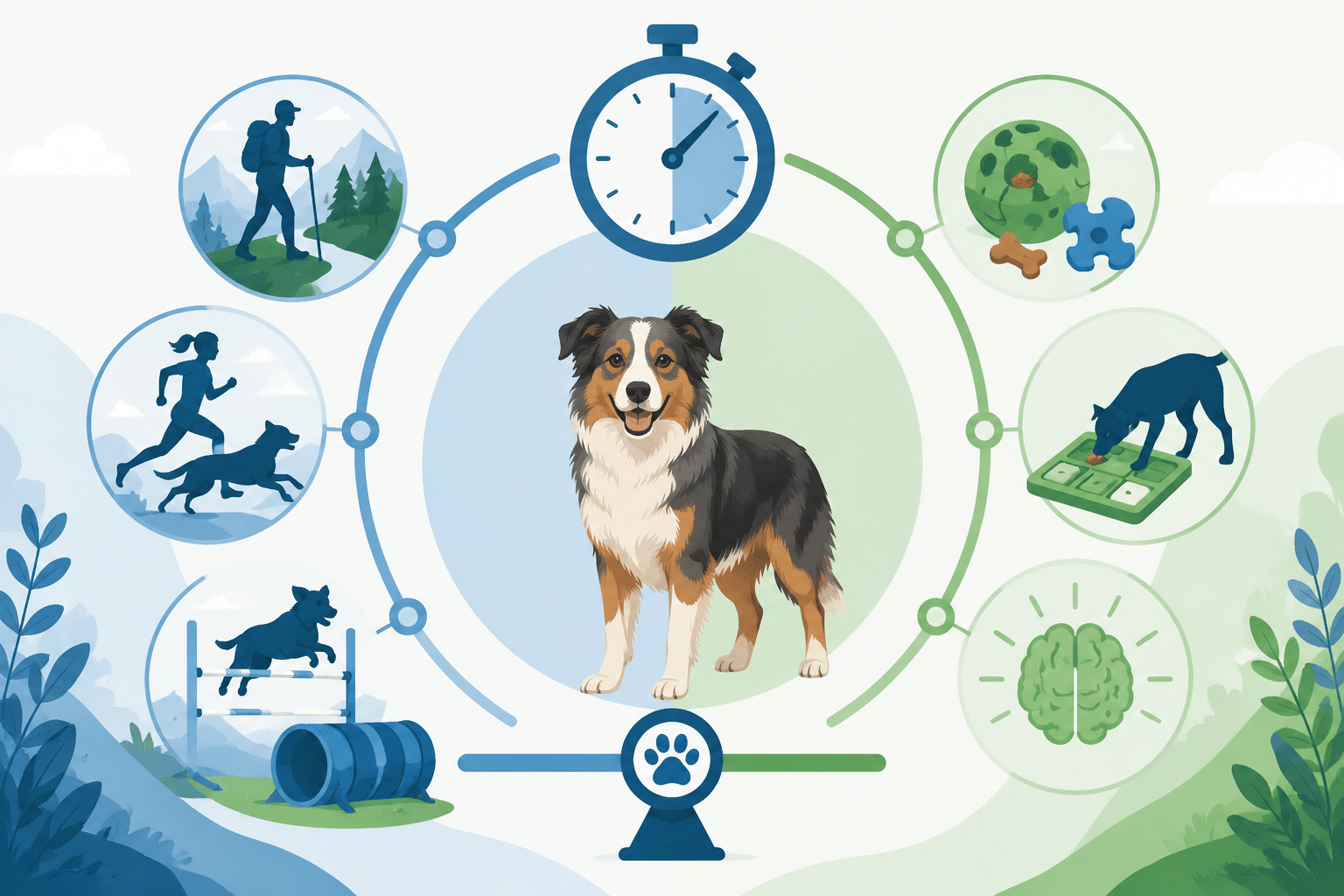
Don’t let their medium size fool you. The Kishu Ken brings moderate to high energy that demands 60 to 90 minutes of daily exercise. A quick walk around the block won’t cut it. They need substantial activity like hiking, running, or structured play sessions that actually tire them out.
These dogs shine in activities that tap into their hunting heritage. Scent work, tracking, and agility training aren’t just fun for them; they’re fulfilling on a deep, instinctual level. A Kishu Ken working a scent trail looks like it’s finally doing what it was born to do.
Physical exercise alone won’t satisfy this breed. Mental stimulation matters just as much. Puzzle toys, training sessions, and problem-solving games help prevent boredom that can lead to destructive behaviors. A tired Kishu Ken is still a good Kishu Ken, and “tired” means both body and mind.
Secure fencing is absolutely mandatory, not optional. Their powerful prey drive, combined with independent thinking, creates a dog that will wander off or chase wildlife given half a chance. That fence needs to be solid and at least five to six feet tall. These dogs are surprisingly resourceful escape artists when properly motivated.
4. Exceptional Health: One of the Hardiest Breeds
Genetic Diversity and Longevity
The Kishu Ken stands out as one of the healthiest purebred dogs you’ll find anywhere. These dogs routinely live 11 to 15 years, and many push well beyond that with good care and a bit of luck.
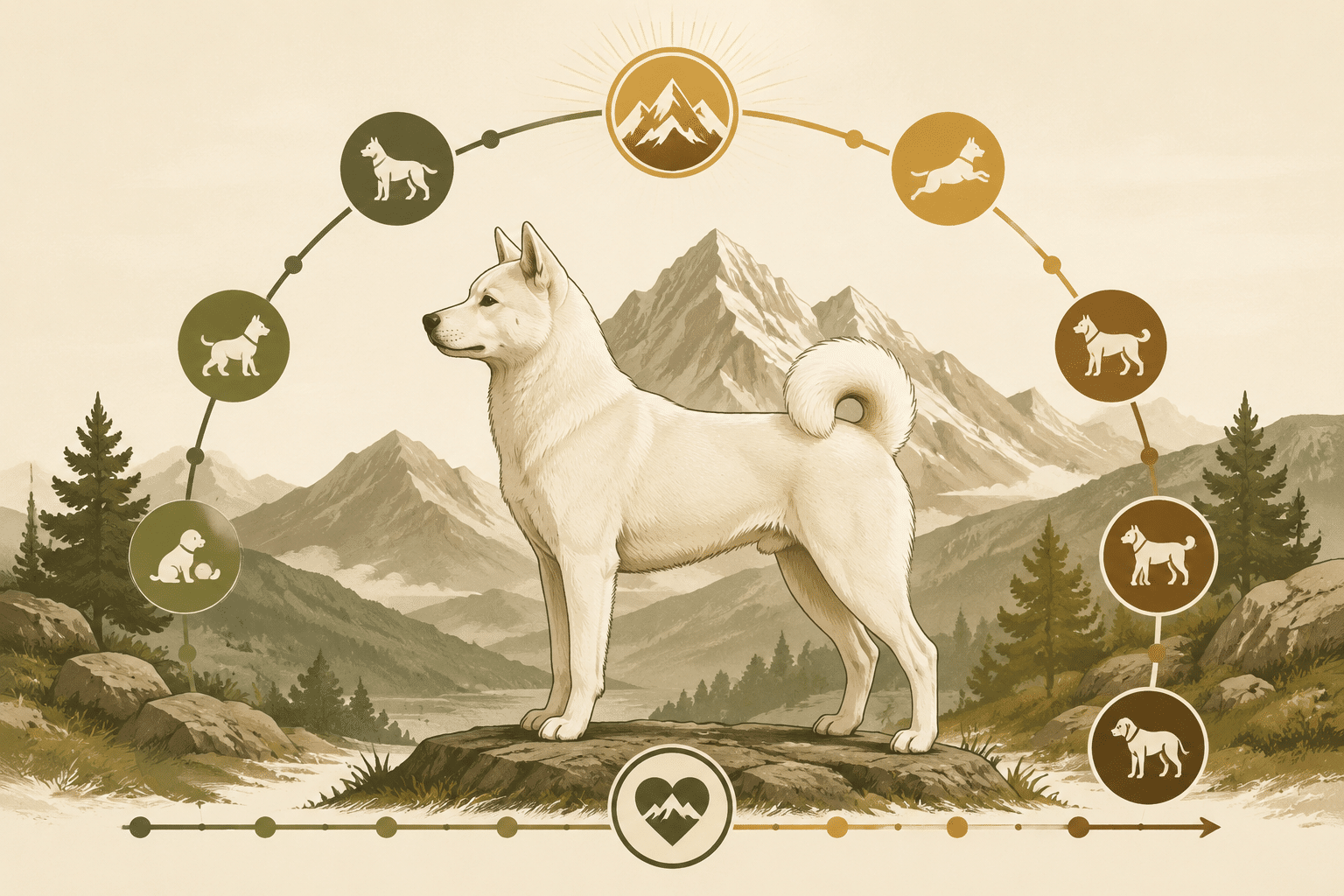
What makes them so robust? Their health stems from thousands of years of natural selection in harsh mountain environments where only the strongest survived. Weak dogs simply didn’t make it through the demanding hunting work and rugged terrain of the Kishu region. The breed developed a naturally strong constitution that modern breeders have carefully preserved through thoughtful breeding practices.
Here’s the really good news: the Kishu Ken has no breed-specific fatal conditions. Read that again. Unlike many purebred dogs plagued by heart defects, spinal issues, or life-threatening genetic disorders, the Kishu Ken dodged those bullets. They’re one of the most genetically sound purebreds around.
Responsible breeders still conduct health screenings for hip dysplasia and eye conditions, but these serve more as preventive measures than responses to widespread problems. Think of it as being extra cautious rather than fighting an uphill battle against bad genetics.
Common Health Considerations
No breed is completely bulletproof, and the Kishu Ken does have a few health quirks to watch for. Hypothyroidism pops up occasionally in the breed. This condition means their thyroid gland doesn’t produce enough hormones, leading to weight gain, lethargy, and coat problems. The good news? It’s easily managed with affordable daily medication once your vet diagnoses it through a simple blood test.
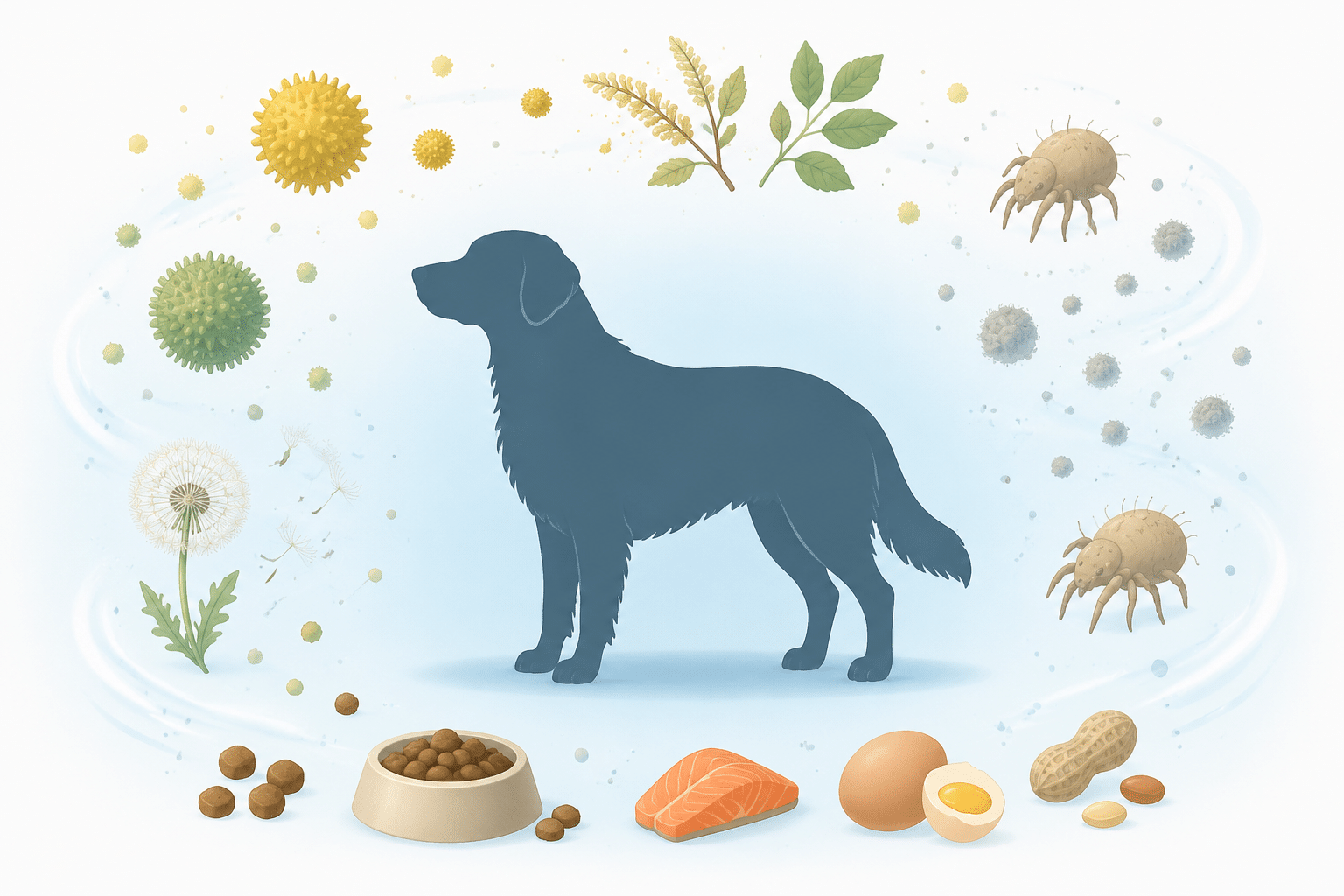
Allergies are another consideration. Some Kishu Ken develop environmental allergies to things like pollen or dust mites, while others struggle with food sensitivities.
Dental disease deserves your attention. Regular teeth brushing (yes, actually brushing your dog’s teeth) and quality dental chews can prevent the painful infections and tooth loss that plague many dogs as they age. Start this habit early, and your Kishu Ken will thank you.
Obesity can sneak up on these food-motivated dogs, especially if their exercise needs aren’t met. A chubby Kishu Ken is unhealthy. Portion control is essential. Don’t let those intelligent eyes guilt you into extra treats.
Preventive Care and Veterinary Needs
Annual veterinary checkups are sufficient for most healthy adult Kishu Ken, along with routine vaccinations and parasite prevention. They don’t need excessive monitoring or specialist visits unless specific issues arise.
The spaying and neutering conversation deserves thoughtful consideration. Talk with a veterinarian who knows Japanese breeds, as some research suggests that delaying surgery (waiting until 12 to 18 months) may benefit bone and joint development in medium-sized breeds. This isn’t a one-size-fits-all decision.
Finding a vet familiar with Japanese breeds is helpful but not critical. Their general care requirements are straightforward enough that any competent veterinarian can handle their needs. That said, a vet who understands the temperaments of primitive breeds will better appreciate why your Kishu Ken might be less than thrilled about examinations by strangers.
Tick prevention is especially important for these dogs. They love wooded areas and outdoor adventures where ticks thrive. Stay current with preventive treatments recommended by the AVMA, because Lyme disease and other tick-borne illnesses can seriously impact your dog’s quality of life.
5. Training Challenges
The Intelligent but Stubborn Temperament
The Kishu Ken will absolutely understand what you’re asking. Whether they’ll actually do it is another question entirely.
These dogs are wicked smart. They pick up new commands in just a few repetitions, watching you carefully and figuring out patterns faster than many other breeds. But here’s the thing that surprises new owners: intelligence doesn’t equal obedience. The Kishu Ken was bred for thousands of years to make split-second decisions while tracking wild boar through dense mountain forests. Their ancestors couldn’t afford to wait for a hunter’s command when a dangerous animal charged from the underbrush. This independent thinking is hardwired into every Kishu Ken alive today.
You’ll see this play out during training when your Kishu Ken looks at you after hearing a command, clearly understands what you want, and then decides whether it is worth their time to comply. They’re not being defiant in a bratty way. They’re simply evaluating the situation like the thinking hunting dogs they were born to be. Ask them to sit three times in a row using the exact same tone and reward?
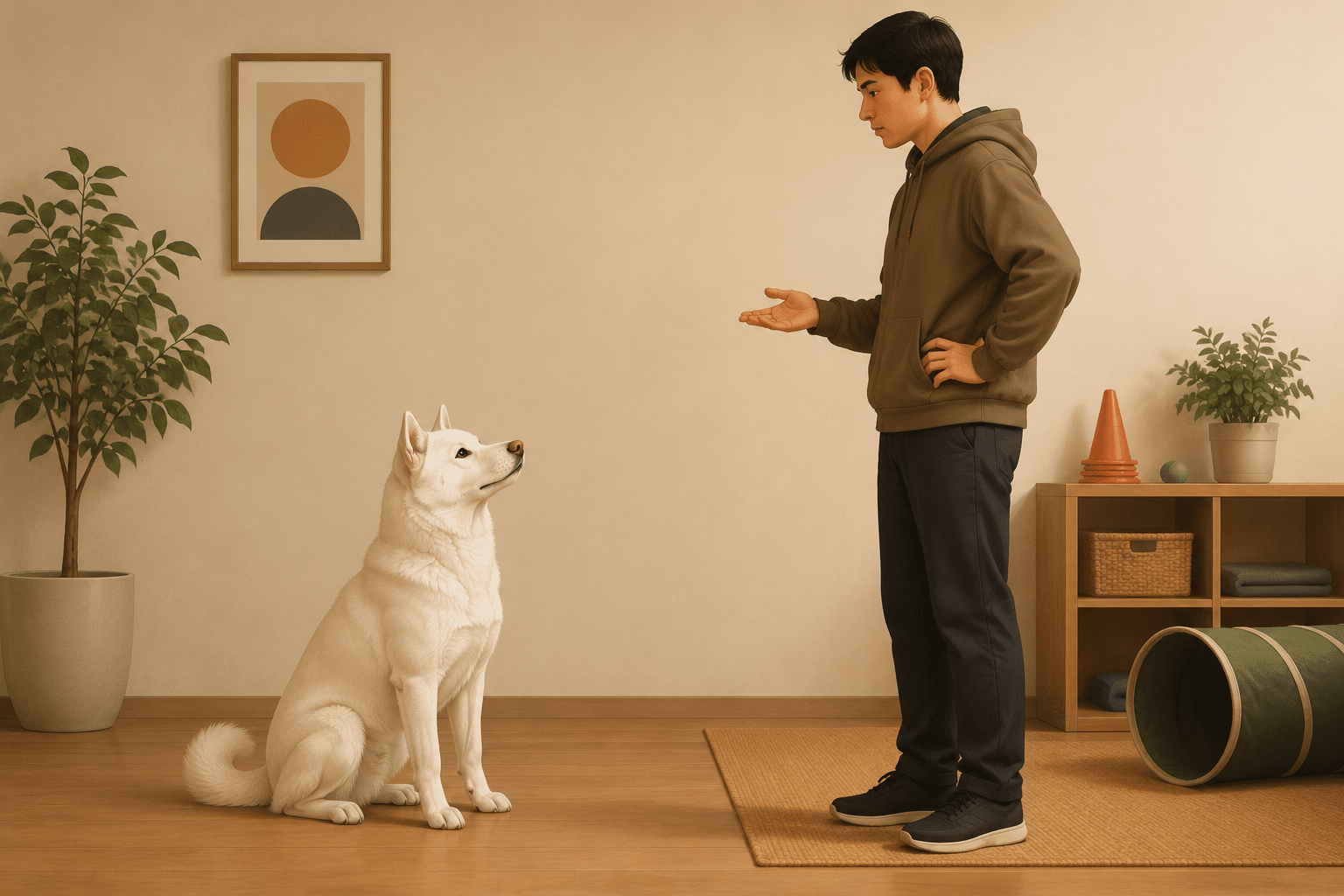
First-time dog owners often struggle with this breed because the Kishu Ken requires consistent, confident leadership without any harshness whatsoever. You can’t force compliance through intimidation. These dogs shut down completely when treated roughly, and you’ll lose the trust that’s absolutely essential for any progress. The Karen Pryor Academy emphasizes that primitive breeds like the Kishu Ken need handlers who can balance firmness with respect for the dog’s intelligence.
Food motivation is a total wildcard with this breed. Some Kishu Ken will happily work for regular kibble or standard training treats. Others couldn’t care less about food rewards and need high-value options like real meat, cheese, or interactive play sessions. You’ll need to experiment to find what actually motivates your individual dog.
Effective Training Approaches
Positive reinforcement works. Punishment doesn’t. It’s really that simple with the Kishu Ken.
These dogs respond beautifully to reward-based training when done correctly, but they have zero tolerance for heavy-handed corrections. Punishment-based methods destroy the trust and cooperation you’ve worked so hard to build. Once a Kishu Ken decides you’re unfair or unpredictable, good luck getting that relationship back on track. They have long memories for both positive and negative experiences.
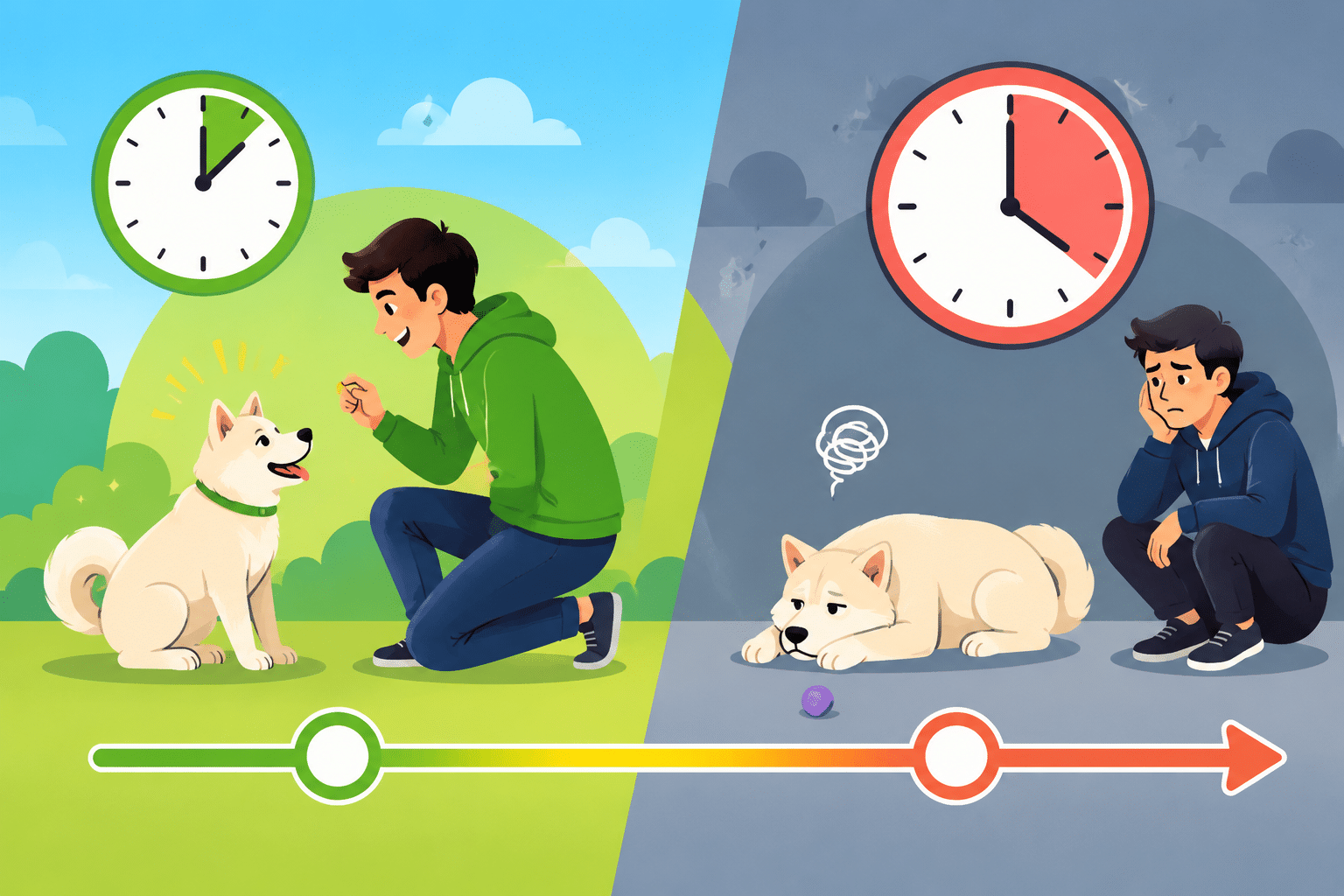
Keep your training sessions short and sweet.
Variety is your best friend. Mix up locations, rewards, and the skills you’re practicing. Train in the backyard one day and a quiet parking lot the next. Alternate between food rewards, play sessions with a favorite toy, and enthusiastic praise. This unpredictability actually keeps the Kishu Ken more engaged because they can’t tune out a routine.
Early socialization isn’t optional; it’s absolutely critical. Start the moment your puppy comes home at eight weeks old. Exposure to different people, dogs, environments, sounds, and experiences during those crucial early months shapes your Kishu Ken’s temperament for life. Without proper socialization, their natural aloofness toward strangers can morph into fear-based aggression. A well-socialized Kishu Ken is reserved but polite with new people and dogs. A poorly socialized one becomes reactive and defensive.
Professional training classes are strongly recommended, but not just any class will do. You need instructors experienced with primitive breeds who understand that the Kishu Ken won’t respond like a Golden Retriever. The Certification Council for Professional Dog Trainers can help you find qualified trainers who use modern, science-based methods appropriate for independent breeds.
Socialization and Behavioral Management
Socialization doesn’t stop after puppyhood. Not even close.
The Kishu Ken needs ongoing exposure to a variety of situations throughout its life. Without regular socialization, they become increasingly reserved and potentially reactive as they mature. That friendly puppy who greeted everyone can turn into a suspicious adult who growls at strangers if you slack off on socialization after the first year. Schedule regular outings to dog-friendly stores, outdoor cafes, and walking trails where your Kishu Ken will encounter new people and situations in a controlled way.
Same-sex aggression is a real issue with this breed, especially among intact males. Two male Kishu Ken in the same household can work, but it requires careful management, early socialization between them, and owners who understand canine body language well enough to intervene before tensions escalate. Many breeders actually recommend opposite-sex pairings for multi-dog households. Introductions to unfamiliar dogs should always be carefully managed. Don’t just assume your Kishu Ken will be friendly at the dog park.
That prey drive we mentioned earlier? It’s strong enough to put smaller pets at serious risk. Cats, rabbits, birds, and other small animals trigger the Kishu Ken’s hunting instincts. Even if raised together from puppyhood, supervision is essential because that instinct can kick in unexpectedly. A cat that suddenly runs might trigger a chase response that’s been lying dormant for years. Many Kishu Ken owners find it’s simply safer to keep their dog as the only pet or to pair it only with other large dogs.
Leash training deserves special attention because off-leash reliability is genuinely difficult to achieve with this breed. Those hunting instincts and independent nature mean a Kishu Ken who spots a squirrel might conveniently forget every recall command they’ve ever learned. Secure fencing and reliable leash manners aren’t suggestions; they’re requirements. The ASPCA’s behavioral resources offer excellent guidance on safely managing high-prey-drive breeds. Even the most well-trained Kishu Ken shouldn’t be trusted off-leash in unfenced areas where wildlife might appear.
6. Living Requirements: Ideal Home Environment
Space and Housing Needs
A Kishu Ken needs room to move. Apartment living rarely works well for this breed, not because they’re hyperactive indoors, but because they need a secure outdoor space to patrol and explore. A house with a fenced yard is pretty much non-negotiable.
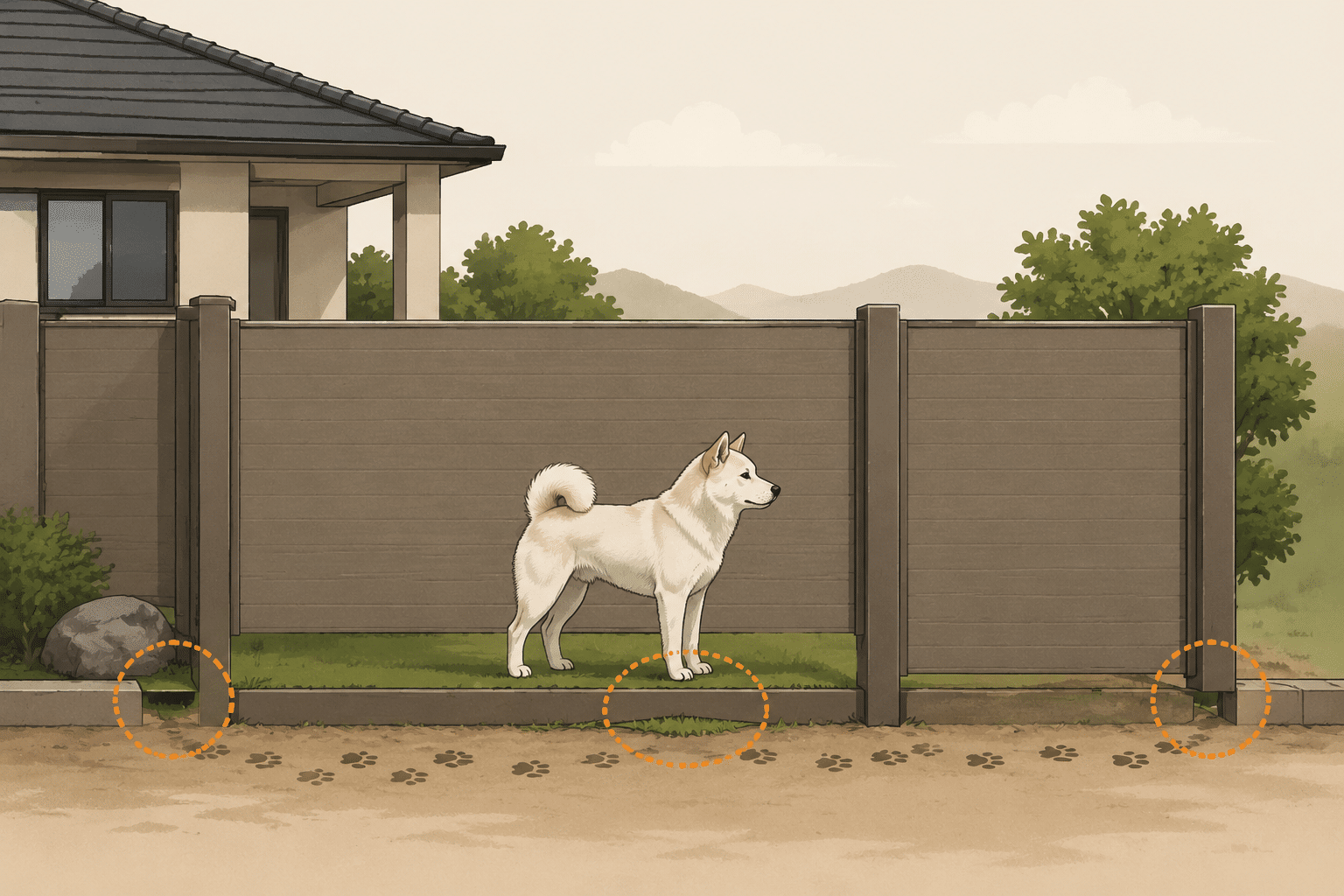
That fence matters more than you might think.
The good news? Once their exercise needs are satisfied, Kishu Ken transform into surprisingly calm indoor companions. They’ll find their favorite spot near you and settle down for hours. They’re not yappy dogs either. When they’re content, they’re quiet.
Climate-wise, that double coat gives them flexibility. They handle cold weather beautifully and can adapt to warmer climates, too. Just remember, they prefer cooler temperatures. In hot weather, make sure they have access to shade and air conditioning. Heat exhaustion is a real risk during the summer months.
Compatibility with Other Pets
If you’re bringing a Kishu Ken into a home with other pets, proceed with caution and realistic expectations. Do dogs grow up with us from puppyhood? Usually fine. They’ll establish a comfortable routine and coexist peacefully. But strange dogs, especially of the same sex, often trigger their dominant side. Same-sex aggression is common enough that many breeders specifically warn about it.
Multi-dog households work best with opposite-sex pairings. A male and female Kishu Ken will typically get along better than two males or two females. Clear hierarchies help too.
Small pets present a bigger challenge. That prey drive doesn’t just disappear because you want a cat and a dog. Cats, rabbits, birds, and even small dogs can trigger their hunting instincts. Some Kishu Ken raised with cats from puppyhood learn to accept them, but even then, supervision stays important. One running cat can flip that instinct switch instantly.
Introducing new pets to a Kishu Ken requires patience and professional guidance. Gradual, controlled meetings work better than tossing everyone together and hoping for the best.
Owner Lifestyle Match
The ideal Kishu Ken owner loves outdoor adventures. Hiking, trail running, camping—activities where your dog becomes your companion in nature. You need to provide 60 to 90 minutes of exercise daily, and a quick walk around the block won’t cut it. They need real, structured activity that engages both their body and mind.

Previous dog experience isn’t just helpful, it’s necessary. First-time dog owners often struggle with the Kishu Ken’s independent streak and need for confident leadership. If you’ve only had eager-to-please breeds like Golden Retrievers, the adjustment can be jarring.
Your personality matters too. Looking for a cuddly, constantly affectionate companion who lives to make you happy? Choose a different breed. Kishu Ken are dignified. Aloof, even. They love their people but express it differently than typical family dogs.
The time commitment extends beyond daily exercise. Training sessions, ongoing socialization activities, and those intense seasonal shedding periods all require your attention and dedication. This isn’t a low-maintenance breed you can mostly ignore between meals.
7. Finding Your Kishu Ken
Extreme Rarity Outside Japan
Looking for a Kishu Ken puppy? Get ready to exercise serious patience. Only a few hundred of these dogs exist across the entire North American continent, with just a handful of reputable breeders working to preserve the breed. You’re not going to find Kishu Ken puppies advertised in your local newspaper or through typical puppy finder websites.
The breed’s status tells the story. While the United Kennel Club officially recognizes the Kishu Ken, the American Kennel Club currently lists them only in its Foundation Stock Service category. This means they’re accepted for recording but not yet eligible for full AKC championship status. The limited breeding population simply hasn’t grown large enough yet.
Expect waiting lists of one to two years, sometimes longer. Responsible breeders carefully plan litters based on breed improvement goals rather than demand. They’re not running puppy production operations here. Each litter is strategically planned to maintain genetic diversity and temperament standards.
Importing directly from Japan is an option if you can’t wait. But understand what you’re committing to financially and logistically. You’ll navigate international shipping regulations, health certificates, quarantine requirements, and, potentially, language barriers when dealing with Japanese breeders. The total cost easily hits $5,000 to $10,000 or more when you factor in the puppy price, international transport, veterinary requirements, and import fees. That’s serious money for a dog you haven’t met in person.
Finding Responsible Breeders
Reputable Kishu Ken breeders take their role as breed guardians seriously. They conduct comprehensive health testing on breeding dogs, including evaluations for hip dysplasia, eye conditions, and thyroid function. You’ll receive health guarantees and extensive documentation about your puppy’s lineage and health clearances. No reputable breeder skips these steps.
The application process feels intense because it is. Expect home visits or virtual walkthroughs. You’ll provide references. The breeder will ask detailed questions about your experience with dogs, your daily schedule, your home environment, and why you specifically want a Kishu Ken. This isn’t personal rejection if they turn you down. They’re protecting their dogs from ending up in unsuitable homes.
Puppy prices typically range from $1,500 to $3,500 from responsible breeders. This reflects the health testing investments, quality care, limited litters, and their commitment to breed preservation. The cheapest puppy is rarely the best value.
Watch for red flags. Are multiple litters available right now? Suspicious. No health testing documentation or vague answers about genetic screening? Walk away. Any breeder willing to ship puppies sight unseen without meeting you first? Absolutely not. Responsible breeders want to meet potential families and ensure proper matches.
Adoption and Rescue Considerations
Finding a Kishu Ken through rescue channels is extremely uncommon. The breed’s rarity means rescue opportunities pop up maybe once or twice a year nationwide. Still, monitoring breed-specific rescues and Japanese breed rescue organizations is worth your time if you’re open to adopting an adult dog.
Most Kishu Ken that need rehoming end up there because owners underestimated the breed’s independence and demanding training requirements. Someone expected a cuddly, eager-to-please companion and got a dignified, stubborn hunter instead. These dogs can thrive in the right home, but you need realistic expectations about potential behavioral challenges.
Adult Kishu Ken may struggle with socialization deficits from inadequate early exposure. They might show heightened aggression toward dogs, extreme wariness toward strangers, or intensified prey drive. These aren’t insurmountable problems, but they require experienced handling and possibly professional behavioral support.
Foster-to-adopt arrangements make excellent sense with this breed. A trial period lets you evaluate compatibility before making a permanent commitment. Given the Kishu Ken’s strong personality and specific needs, making sure the match works for both you and the dog protects everyone involved from heartbreak down the road.