
 Home
Home Store
StoreDistemper
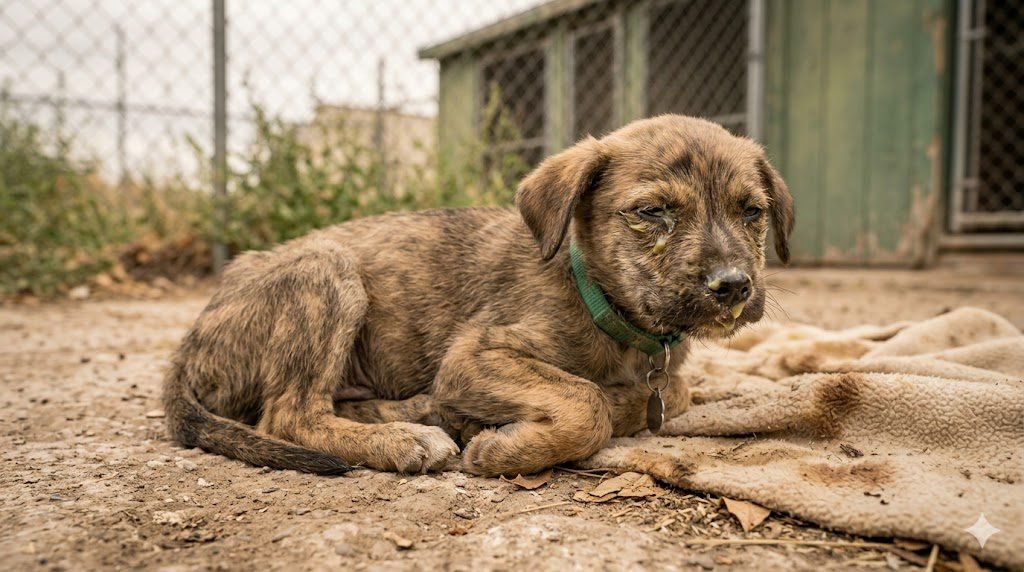
Aug
Canine Distemper is a highly contagious, severe systemic disease caused by an airborne virus. It is closely related to the measles virus in humans, but it affects dogs and various wild animals (like raccoons, foxes, and skunks).
It is incredibly dangerous because it attacks multiple body systems at the exact same time—specifically the respiratory, gastrointestinal (GI), and central nervous systems.
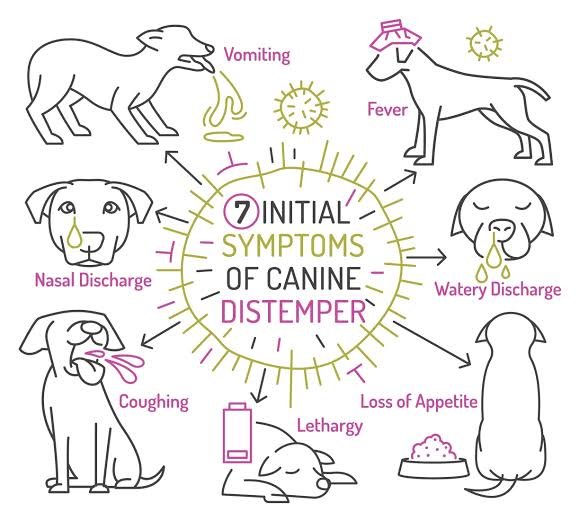
Initial Symptoms & Stages
Distemper typically progresses in stages as the virus moves deeper into the body.
As the virus escalates, the symptoms transition through these critical phases:
- Stage 1: The Respiratory and GI Attack: The first signs usually include a high fever, reddened eyes, and a thick, watery-to-pustular discharge oozing from the nose and eyes. The dog will become extremely lethargic, lose their appetite, and develop a persistent cough, followed by severe vomiting and diarrhea.
- Stage 2: “Hard Pad” Disease: In some strains, the virus causes hyperkeratosis—a severe thickening and hardening of the skin on the dog’s nose and footpads. This makes walking highly uncomfortable.
- Stage 3: The Neurological Breakdown: As the virus invades the brain and spinal cord, the symptoms become catastrophic. Dogs develop muscle twitches (often called “distemper myoclonus” or “chewing gum fits” or jaw-chomping), weakness, unsteadiness, seizures, and eventually paralysis.
How It Spreads
Distemper is primarily an airborne virus. It spreads through:
- Respiratory droplets: Sneezing, coughing, or barking releases infected droplets into the air.
- Shared surfaces: Sharing food and water bowls, toys, or bedding can easily pass the virus from one animal to another.
- Wildlife contact: Because wildlife can carry the virus, a dog can contract it simply by sniffing an area where an infected raccoon or fox was recently present.
Treatment and Prevention
There is no cure for Canine Distemper.
Once a dog is infected, treatment is purely supportive, meaning there is no simple medication or guaranteed cure that can eliminate the infection once serious illness has developed. The main goal of veterinary care is to keep the dog as stable and comfortable as possible while the body attempts to fight the disease.
Veterinarians may administer intravenous (IV) fluids to combat dehydration, restore electrolyte balance, and support circulation, especially if the dog has been unable to eat or drink normally. Medications may also be used to help control vomiting and diarrhea, reduce nausea, protect the gastrointestinal tract, and prevent the dog from becoming dangerously weak.
If the infection affects the nervous system, additional care becomes necessary. Anticonvulsant medications may be given to manage seizures, tremors, or other neurological symptoms, while careful monitoring helps veterinarians respond quickly to changes in breathing, temperature, heart rate, or awareness. In severe cases, hospitalization may be required so the dog can receive round-the-clock attention and emergency treatment if its condition suddenly worsens.
Sadly, even with aggressive supportive care, the mortality rate is incredibly high. Many dogs do not survive the most severe stages of the illness, particularly when neurological signs become advanced. Even if a dog survives the initial infection, recovery may be incomplete.
Some dogs are left with permanent, lifelong neurological damage, recurring seizures, weakness, difficulty walking, behavioral changes, or other chronic complications. Because treatment options are so limited once infection has progressed, prevention, early veterinary attention, and prompt vaccination or protective care when available are critically important.
The Silver Lining: The DHPP Vaccine
Because treatment is so difficult, prevention is everything. The Distemper vaccine is considered a core vaccine by veterinarians everywhere. It is routinely given to puppies in a series of shots starting around 6 to 8 weeks of age (as part of the standard “DHPP” or “5-in-1” vaccine combo) and is followed by regular adult boosters. Thanks to widespread vaccination, distemper is much less common today than it was decades ago, but it remains a major threat to unvaccinated puppies and shelter populations.