The Incredible American Bulldog
May
Have you ever wondered what makes the American Bulldog such a captivating breed? These powerful, muscular dogs have been winning hearts across America for generations, and it’s not hard to see why. With their distinctive appearance, loyal nature, and rich history, American Bulldogs represent the perfect blend of strength and gentleness that many dog lovers seek.
The American Bulldog isn’t just another pretty face in the dog world – they’re working dogs with a purpose, family guardians with unwavering loyalty, and companions with hearts as big as their impressive physiques. Whether you’re considering adding one to your family or simply curious about this fascinating breed, you’re in for quite a journey of discovery.
History and Origins of the American Bulldog
The story of the American Bulldog is deeply woven into the fabric of American history. These dogs didn’t just appear overnight; they evolved from English Bulldogs brought to America by early settlers in the 17th and 18th centuries. But here’s where it gets interesting – while their English cousins were being bred into the flat-faced, less athletic dogs we know today, American Bulldogs maintained their working abilities and athletic build.
During the settlement period, these dogs proved invaluable on farms and plantations. They weren’t just pets lounging around; they were working partners who helped catch wild hogs, guard property, and protect families from various threats. Think of them as the Swiss Army knives of the dog world – versatile, reliable, and incredibly effective at whatever job they were given.
The breed nearly went extinct after World War II, but thanks to the dedicated efforts of breeders like John D. Johnson and Alan Scott, the American Bulldog made a remarkable comeback. These two men became legends in the breed’s history, and their influence can still be seen in the two main types of American Bulldogs we recognize today.
Physical Characteristics and Appearance
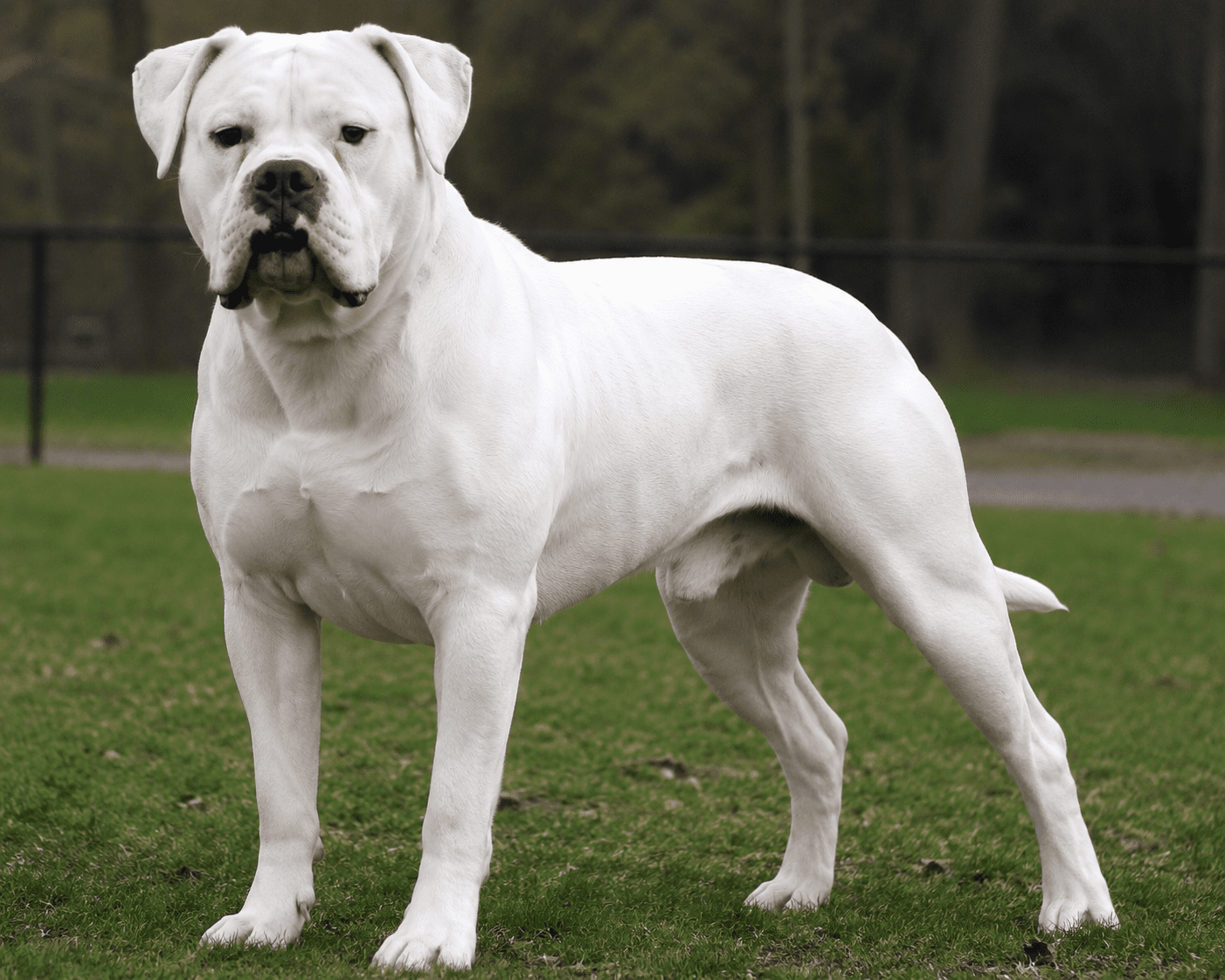
When you first encounter an American Bulldog, their size is likely the first thing that’ll catch your attention. These aren’t small dogs by any stretch of the imagination! Males typically weigh between 75 and 125 pounds and stand 22 and 27 inches tall, while females are slightly smaller at 60 and 100 pounds and 20 and 25 inches in height.
But don’t let these numbers intimidate you – despite their impressive size, American Bulldogs are incredibly agile and athletic. They’re built like canine athletes, with broad chests, strong shoulders, and powerful hindquarters that give them both strength and surprising speed.
The American Bulldog’s coat is relatively low-maintenance, featuring a short, smooth texture that’s perfect for active lifestyles. You’ll find them in various color combinations, with white being the predominant color. Common patterns include white with patches of brindle, brown, red, or black. Some dogs are almost entirely white, while others display more colorful markings.
Their head is perhaps their most distinctive feature – broad and square with a strong jaw that speaks to their working heritage. Those expressive eyes seem to look right into your soul, and their ears can be either cropped or natural, though many owners today prefer the natural look.
American Bulldog Types and Varieties
Johnson Type (Bully Type)
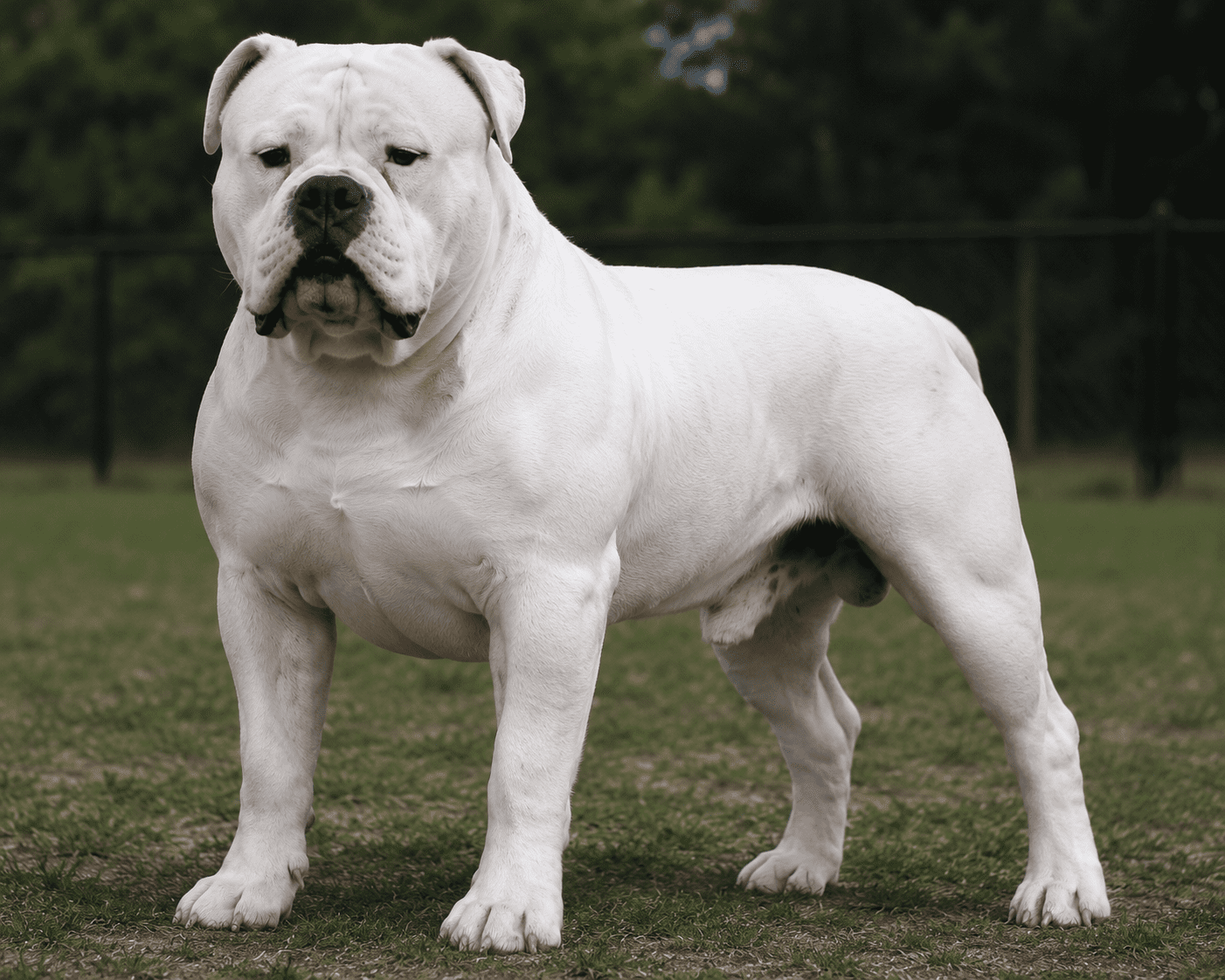
Named after John D. Johnson, this type is often called the “bully” type, and you can see why. These dogs are stockier and more muscular, with shorter muzzles and a more intimidating appearance. They’re the heavyweight champions of the American Bulldog world, typically weighing more and appearing more compact than their Scott-type cousins.
Johnson-type bulldogs often have a more pronounced undershot bite and a broader head. They’re like the bodybuilders of the dog world – impressive, powerful, and undeniably strong.
Johnson Type (Bully Type)
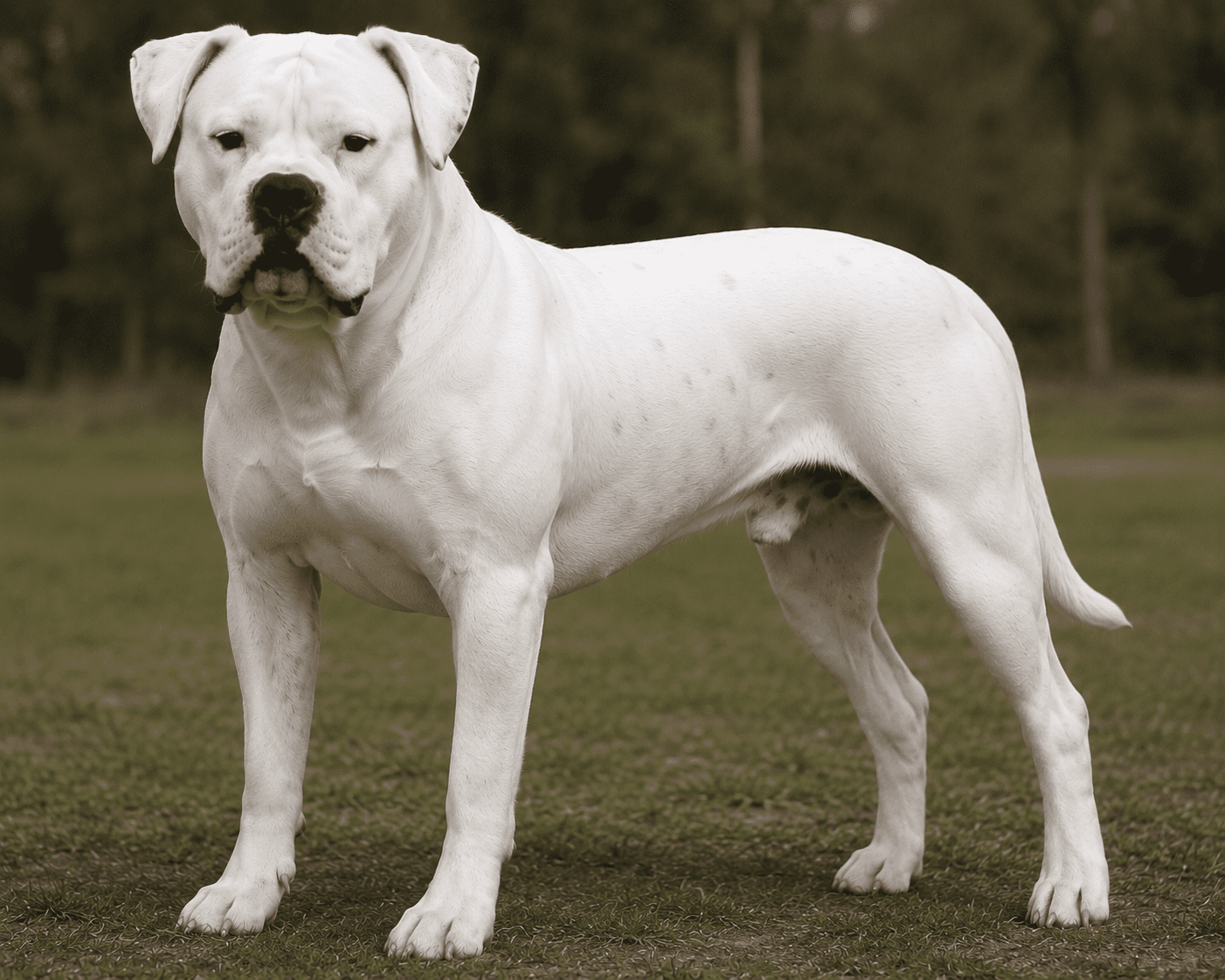
Scott Type (Standard Type)
Scott Type (Standard Type)
The Scott type, developed by Alan Scott, represents a more athletic and agile version of the breed. These dogs are taller, leaner, and have longer muzzles, making them appear more like their working ancestors. If Johnson types are bodybuilders, then Scott types are marathon runners – built for endurance and agility.
Many modern American Bulldogs are actually a blend of both types, combining the best characteristics of each lineage. This hybrid approach has created dogs that are both powerful and athletic, strong yet agile.
Temperament and Personality Traits
What’s it like living with an American Bulldog? Imagine having a best friend who’s equal parts protective guardian and gentle giant. These dogs are known for their loyalty, confidence, and strong desire to please their families. They’re not aggressive by nature, but they are naturally protective – there’s a difference, and it’s an important one.
American Bulldogs are often described as having “old soul” personalities. They’re mature, thoughtful, and seem to understand the gravity of their role as family protectors. Yet they also have a playful side that emerges during family time, especially when children are involved.
One thing you’ll notice quickly is their intelligence. These dogs are smart – sometimes too smart for their own good! They’re problem solvers who will figure out how to open doors, escape yards, or get to that treat you thought was safely stored away.
Training and Socialization Needs
Early Training Importance
Training an American Bulldog isn’t just recommended – it’s essential. With great size comes great responsibility, and you’ll want to ensure your dog is well-behaved and controllable in all situations. The good news? These dogs are eager learners who respond well to positive reinforcement training methods.
Start training early and be consistent. American Bulldogs respond well to firm, fair leadership, but not to harsh or aggressive training methods. Think of yourself as a coach rather than a drill sergeant – guide them with patience and positivity.
Socialization Tips
Socialization is like giving your American Bulldog a well-rounded education. Expose them to different people, animals, sounds, and environments while they’re young. This helps prevent fearfulness or aggression later in life and ensures you’ll have a confident, well-adjusted adult dog.
Take them to puppy classes, organize playdates with other dogs, and introduce them to various family members and friends. The more positive experiences they have early on, the better equipped they’ll be to handle new situations throughout their lives.
Exercise Requirements and Activity Levels
Don’t let their sometimes lazy appearance fool you – American Bulldogs need regular exercise to stay healthy and happy. These dogs were bred for work, and while they might enjoy a good nap on the couch, they also crave physical and mental stimulation.
A daily routine might include a brisk walk, some playtime in the yard, and perhaps some training exercises. They’re not marathon runners, but they do enjoy activities like hiking, swimming, and playing fetch. Think quality over quantity – a good 30-60 minutes of meaningful exercise is usually sufficient.
Mental stimulation is equally important. Puzzle toys, training sessions, and new experiences help keep their minds sharp and prevent boredom-related behavioral issues.
Health Considerations and Common Issues
Genetic Health Problems
Like many purebred dogs, American Bulldogs can be prone to certain health issues. Hip dysplasia is perhaps the most common concern, affecting the hip joints and potentially causing pain or mobility issues. Elbow dysplasia, eye problems, and certain neurological conditions can also occur.
Preventive Care
The key to keeping your American Bulldog healthy is preventive care. Regular veterinary checkups, proper nutrition, appropriate exercise, and maintaining a healthy weight all play crucial roles in your dog’s long-term health.
Consider genetic testing for breeding dogs and ask breeders about health clearances for parents. It’s like buying insurance for your dog’s future health and well-being.
Grooming and Maintenance
Here’s some good news for busy pet parents – American Bulldogs are relatively low-maintenance when it comes to grooming. Their short coat requires only weekly brushing to remove loose hair and maintain shine. During shedding seasons, you might need to brush more frequently, but it’s still manageable.
Pay attention to their facial wrinkles (if present) and keep them clean and dry to prevent skin irritation. Regular nail trims, ear cleaning, and dental care round out their grooming needs. It’s like basic car maintenance – not complicated, but important for optimal performance.
Nutrition and Feeding Guidelines
Feeding an American Bulldog properly is crucial for their health and longevity. These large, active dogs need high-quality nutrition to support their muscular build and energy needs. Look for foods specifically formulated for large-breed dogs, especially during the puppy stage, when proper growth is essential.
Portion control is important – these dogs can easily become overweight if overfed, which puts additional stress on their joints and organs. Most adult American Bulldogs do well with two meals per day rather than one large meal, which also helps prevent bloat.
American Bulldog as Family Pets
With Children
American Bulldogs and children often form incredible bonds. These dogs seem to instinctively understand their role as protectors and playmates for young family members. They’re patient, gentle, and tolerant of the chaos that often comes with kids.
However, supervision is always important, especially with very young children. Not because these dogs are aggressive, but because their size and enthusiasm can sometimes overwhelm small children during play.
With Other Pets
Socialization plays a huge role in how well American Bulldogs get along with other pets. When properly introduced and socialized, they can coexist peacefully with other dogs and even cats. However, their strong prey drive can lead them to chase small animals, so careful management is sometimes necessary.
Housing and Living Arrangements
While American Bulldogs can adapt to various living situations, they do best in homes with adequate space. A house with a fenced yard is ideal, giving them room to roam and play safely. Apartment living is possible but requires committed owners who can provide sufficient exercise and mental stimulation.
These dogs are happiest when they’re close to their families. They’re not suited for outdoor-only living – they need to be part of the family pack to thrive emotionally and behaviorally.
Finding a Reputable Breeder
If you’ve decided to purchase an American Bulldog puppy, finding a reputable breeder is crucial. Look for breeders who health test their breeding dogs, provide health clearances, and allow you to meet the puppy’s parents. Good breeders will ask you questions too – they want to ensure their puppies go to suitable homes.
Avoid puppy mills and backyard breeders who prioritize profit over the dogs’ well-being. A good breeder is more like a dog matchmaker, pairing the right puppy with the right family for lifelong happiness.
Adoption vs. Buying Considerations
Don’t overlook adoption as an option! Many wonderful American Bulldogs and mixes end up in shelters and rescue organizations through no fault of their own. Adult dogs often come with known temperaments and may already have some training.
Whether you choose to adopt or buy, make sure you’re prepared for the long-term commitment. These dogs can live 10-15 years, and they deserve families who will love and care for them throughout their entire lives.
Cost of Ownership
Owning an American Bulldog involves more than just the initial purchase or adoption fee. Consider ongoing costs like food, veterinary care, training, grooming supplies, and potential emergency medical expenses. Large dogs generally cost more to maintain than smaller breeds, so budget accordingly.
Factor in the costs of quality food, regular vet visits, potential health issues, boarding or pet-sitting when you travel, and replacing toys and accessories that might not withstand their powerful jaws!
Conclusion
The American Bulldog represents everything we love about dogs – loyalty, strength, intelligence, and an unwavering devotion to family. These remarkable dogs aren’t right for everyone, but for the right family, they can be absolutely perfect companions. They require commitment, proper training, and adequate exercise, but in return, they offer a lifetime of love, protection, and unforgettable memories.
Whether you’re drawn to their impressive appearance, their rich history, or their gentle-giant personalities, American Bulldogs have a way of capturing hearts and changing lives. If you’re considering adding one to your family, take time to research, prepare, and ensure you can provide everything these amazing dogs need to thrive.
Frequently Asked Questions (FAQs)
1. Are American Bulldogs good with children?
Yes, American Bulldogs are generally excellent with children when properly socialized. They’re naturally protective and patient with kids, though supervision is recommended due to their large size and enthusiastic play style.
2. How much exercise does an American Bulldog need daily?
American Bulldogs typically need 30-60 minutes of exercise daily, including walks, playtime, and mental stimulation. They’re not extremely high-energy dogs but do require regular activity to stay healthy and well-behaved.
3. What’s the difference between Johnson and Scott-type American Bulldogs?
Johnson types are stockier and more muscular with broader heads and shorter muzzles, while Scott types are taller, more athletic, and have longer muzzles. Many modern American Bulldogs are a blend of both types.
4. Do American Bulldogs shed a lot?
American Bulldogs are moderate shedders with short coats that require minimal grooming. Weekly brushing is usually sufficient, though they may shed more during seasonal changes.
5. Are American Bulldogs aggressive dogs?
No, American Bulldogs are not naturally aggressive. They are protective and confident, but should be gentle and well-mannered when properly socialized and trained. Any dog can develop behavioral issues without proper care and training, regardless of breed.