
Foundation Stock Service
Is the Finnish Spitz Right for You?
Apr
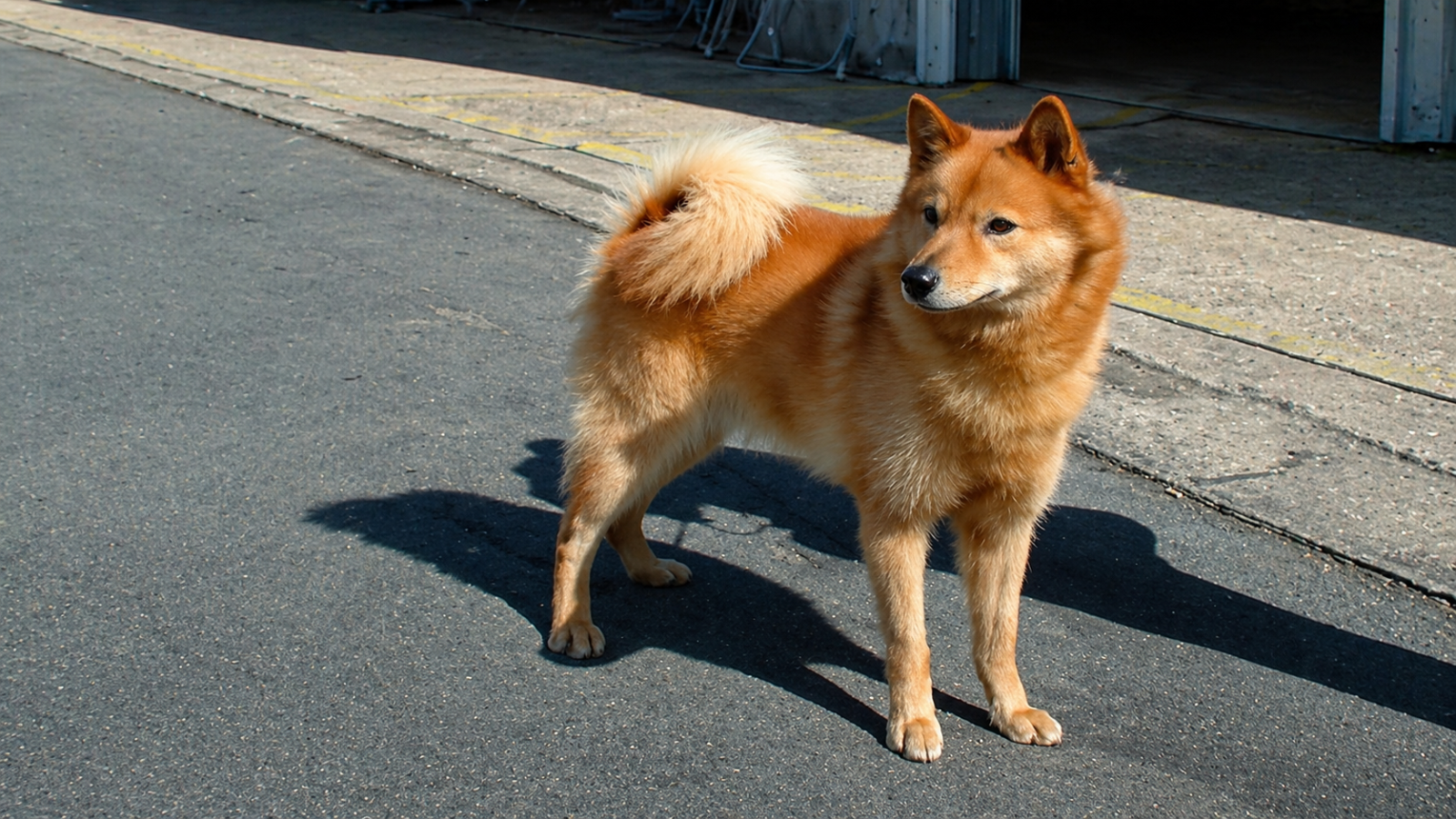
The Finnish Spitz looks like a small fox wandered into your living room and decided to stay. That gorgeous red-gold coat and those bright, pointed ears grab attention everywhere. But here’s the thing, most people don’t expect.
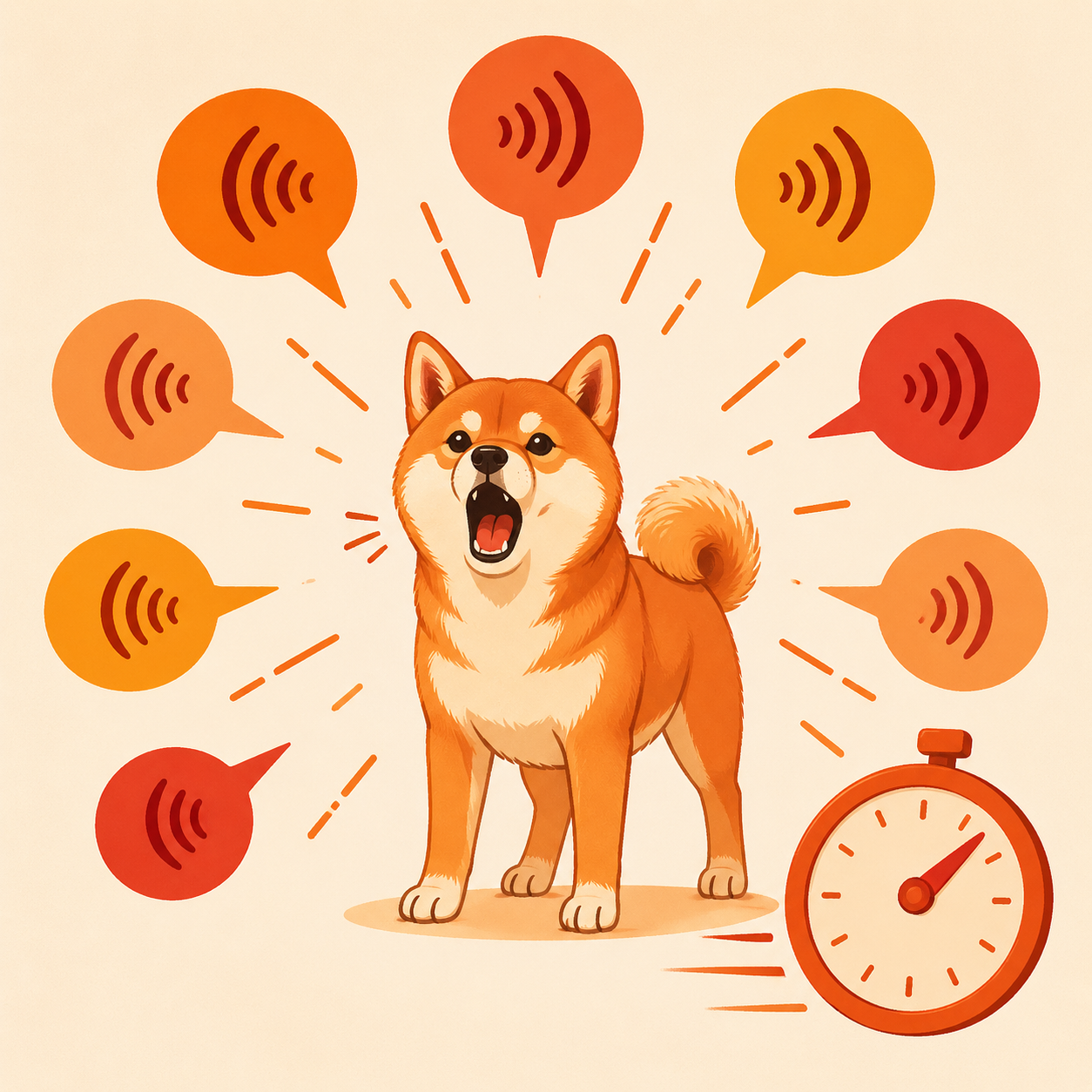 This dog can bark up to 160 times per minute. In Finland, they actually hold competitions for it.
That vocal talent is baked into the breed’s DNA. The Finnish Spitz was bred to bark at birds in the forest, alerting hunters to prey hiding in the treetops. It’s a clever and effective hunting strategy. But it also means you’re signing up for a dog that has a lot to say, all the time. If you don’t know what you’re getting into, that cute fox face can quickly become a source of frustration for you and your neighbors.
This guide covers everything you need to know before bringing a Finnish Spitz into your home. We’ll walk through their physical traits, exercise needs, grooming routine, health concerns, and whether they’re the right fit for your family and living situation.
Finnish Spitz Breed Overview and Characteristics
Physical Appearance and Size
The Finnish Spitz is a medium-sized dog with dimensions that make it manageable for most households. Males typically stand between 17 and 20 inches tall at the shoulder and weigh anywhere from 25 to 33 pounds. Females run slightly smaller, measuring 15 to 18 inches in height and weighing between 20 and 28 pounds. These proportions put them in that sweet spot where they’re sturdy enough to handle active play but not so large that they overwhelm a living space.
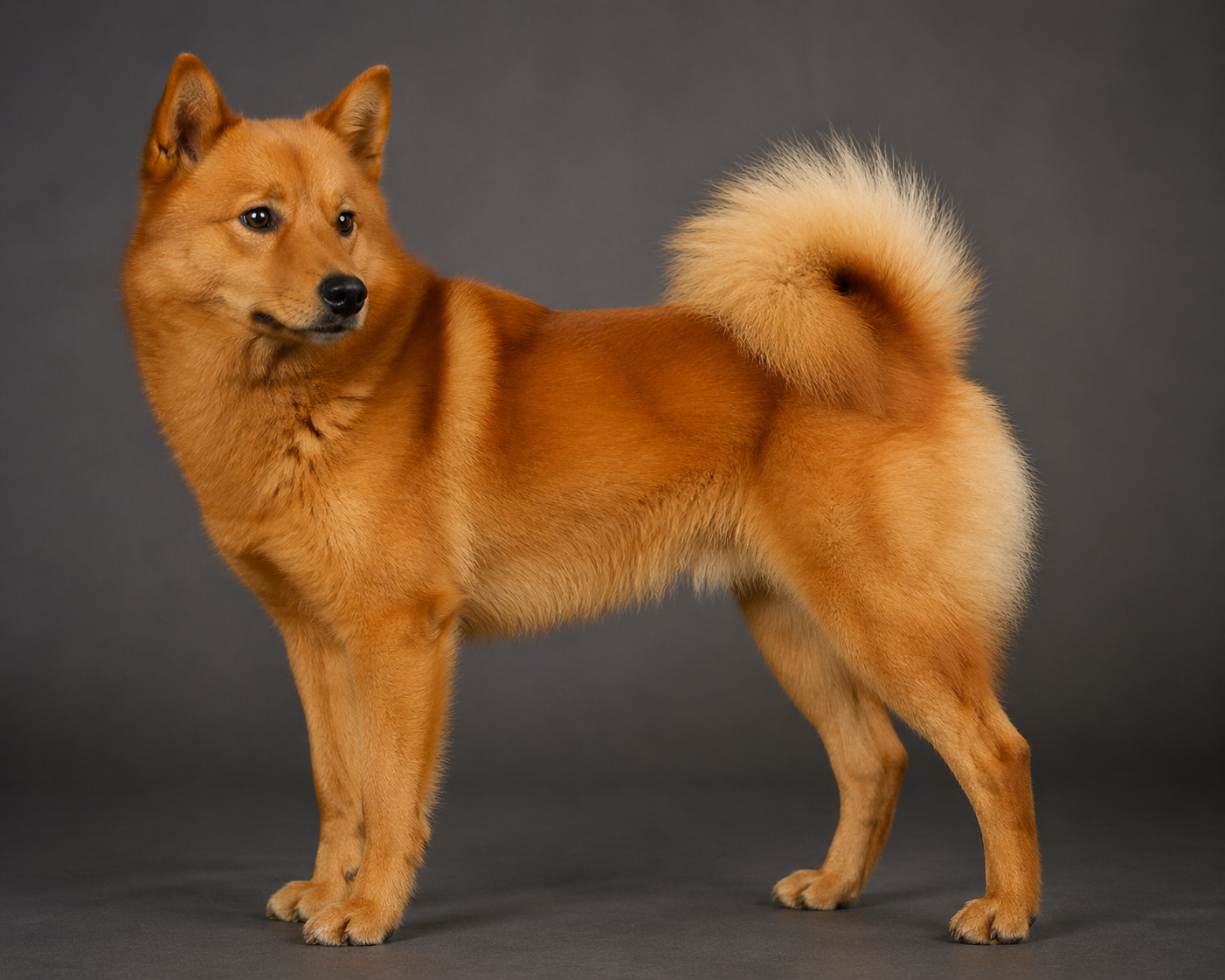
What really catches your eye is their striking resemblance to a fox. The breed features pointed, erect ears that give them a perpetually alert expression, and their dense double coat comes in shades ranging from red-gold to honey. This coat isn’t just beautiful; it’s functional, providing excellent protection against harsh Finnish winters. The colors can vary quite a bit within that spectrum, with some dogs displaying a rich, deep red while others lean toward a lighter, almost golden hue.
Their body structure follows a square, well-proportioned design that speaks to their heritage as working hunting dogs. Every part seems balanced and purposeful. The most distinctive feature might be their plumed tail, which curls gracefully over the back, adding to their fox-like charm. When they’re excited or alert, their tail stands proud, creating a beautiful silhouette. With proper care and attention, you can expect your Finnish Spitz to be with you for 12 to 15 years, which is a respectable lifespan for a dog of this size.
Breed History and Purpose
This breed holds a special place in Finnish culture. The Finnish Spitz is actually Finland’s national dog, which tells you something about how deeply it’s woven into the country’s identity. These dogs were originally bred to hunt small game and birds in the dense forests of northern Finland, where they developed their unique working style over centuries.
Here’s what makes them fascinating: they earned the nickname “barking bird dog” because of their distinctive hunting technique. Rather than silently tracking prey like many other hunting breeds, Finnish Spitz dogs would locate birds in trees and then bark continuously to alert the hunter and keep the bird’s attention focused on the dog. This barking behavior is so ingrained that it’s basically part of their DNA, something prospective owners should definitely keep in mind.
The breed almost disappeared entirely in the late 1800s as forest areas shrank and hunting practices changed. Dedicated breeders recognized the danger and launched careful breeding programs to bring the Finnish Spitz back from the brink of extinction. Their efforts paid off. The breed was eventually recognized by major kennel clubs, with the American Kennel Club officially accepting it in 1988.
Temperament and Personality Traits
If you’re looking for a pushover breed that does whatever you say without question, keep looking. Finnish Spitz dogs are independent, intelligent, and yes, sometimes stubborn. They were bred to work at a distance from hunters, making decisions on their own, so that the independent streak runs deep. Patient training is essential because these dogs need to understand why they should do something, not just that you want them to.
They make excellent watchdogs. Alert describes them perfectly. They will absolutely bark to announce visitors or anything unusual happening in their territory. This vigilance can be reassuring, but it can also be challenging if you live in a busy area or have noise restrictions.
With their family members, Finnish Spitz dogs show a completely different side. They’re playful and energetic, forming strong bonds with the people they live with. Many owners describe them as loyal companions who genuinely enjoy being part of household activities. They’ll follow you from room to room and want to be involved in what you’re doing.
Around strangers, they tend to be reserved or cautious. This isn’t the breed that immediately befriends every person they meet at the dog park. They need time to warm up to new people, observing from a distance before deciding whether someone is trustworthy. The good news is that this caution rarely crosses into aggression when they’ve been properly socialized.
Intelligence and Trainability
Smart dogs can be challenging dogs, and the Finnish Spitz proves this point. They’re highly intelligent, which sounds like a selling point until you realize that their intelligence comes packaged with an independent mindset. These are thinkers who may question commands, especially if they don’t see the point or if you’re being repetitive. Training sessions need to stay interesting and rewarding.
Positive reinforcement methods work best with this breed. Harsh corrections or heavy-handed training approaches will backfire, often making them more stubborn or causing them to shut down entirely. They respond well to treats, praise, and play rewards when they do what you ask. Keep training sessions short, upbeat, and varied to hold their attention.
Early socialization becomes absolutely crucial for developing well-rounded behavior in Finnish Spitz puppies. Exposing them to different people, places, sounds, and experiences during their critical developmental period helps them grow into confident, adaptable adults. Skip this step, and you might end up with a dog who’s overly suspicious or anxious in new situations.
One practical consideration: they may take longer to housetrain compared to breeds that are more eager to please their owners. This doesn’t mean they’re unintelligent; they just don’t have that desperate need for human approval that makes some breeds easier to train. Consistency and patience during housetraining will eventually pay off.
Daily Care Requirements and Living Needs
Exercise and Activity Levels
Your Finnish Spitz needs a serious commitment to daily activity.
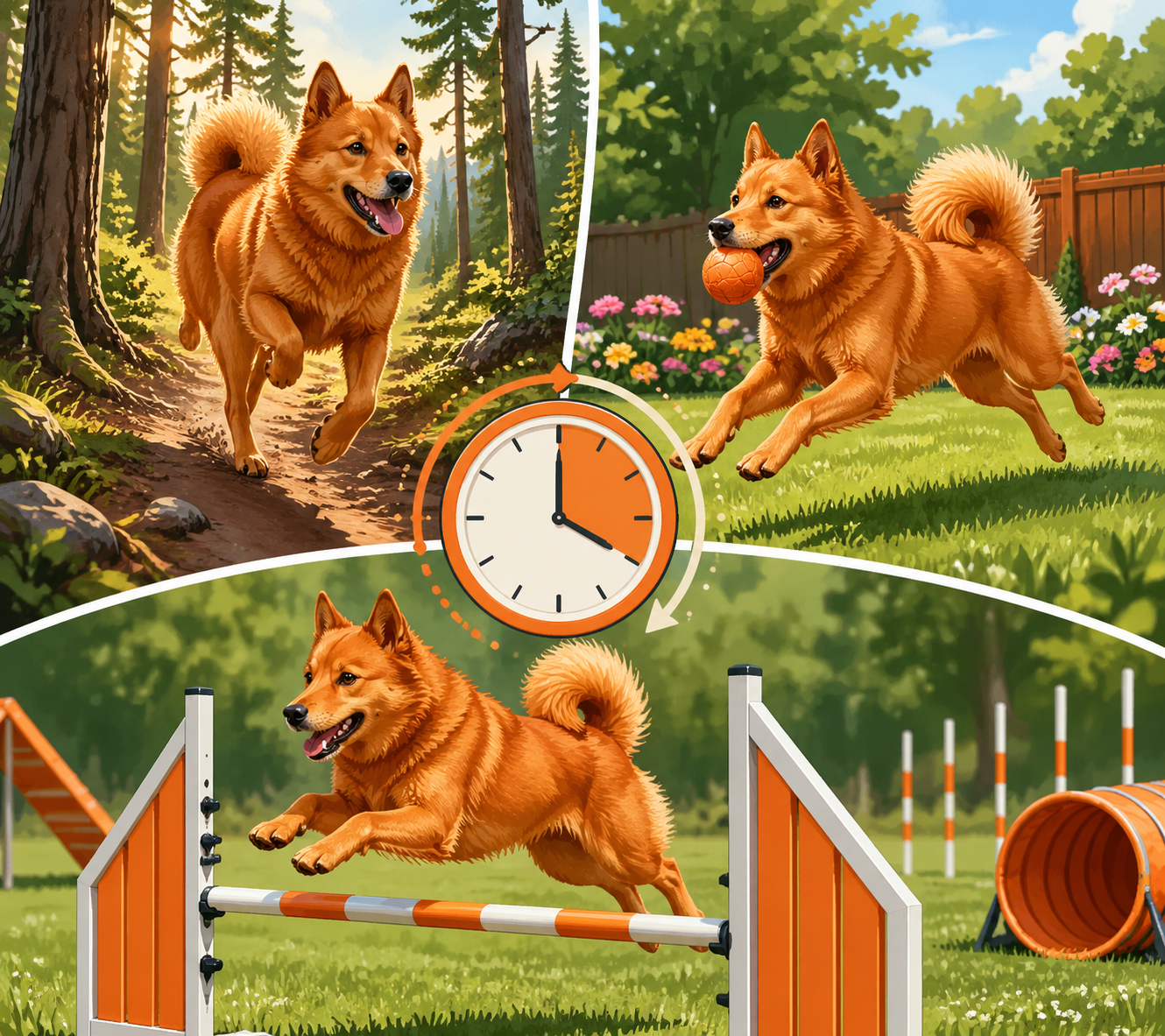 We’re talking about 60 to 90 minutes every single day. This isn’t a breed that will be content with a quick trip around the block.
These dogs were bred to hunt through Finnish forests for hours at a time. That energy doesn’t just disappear because they live in a modern home now. You’ll need to provide walks, playtime, and activities that challenge their minds as much as their bodies. A tired Finnish Spitz is a happy Finnish Spitz.
Active families are the perfect match for this breed. Think weekend hiking trips, backyard fetch sessions, and regular outdoor adventures. They absolutely love activities like agility training and interactive games that let them use their natural problem-solving skills. If you’re more of a couch potato type, this probably isn’t your dog.
Here’s something critical: you need secure fencing. The Finnish Spitz has an incredibly strong prey drive. A squirrel darts across the street? Your dog might bolt without thinking twice. They’ll chase small animals on instinct, so a fenced yard isn’t optional if you value your sanity and your dog’s safety.
Grooming and Coat Maintenance
That gorgeous red-gold coat comes with responsibilities. The Finnish Spitz has a thick double coat that sheds moderately throughout the year. But twice a year? Get ready for a fur explosion.
During seasonal changes, these dogs blow their coats completely.
 You’ll find fur everywhere. On your clothes, your furniture, and probably in your morning coffee. During these heavy shedding periods, daily brushing becomes non-negotiable. For the rest of the year, you can get away with brushing two to three times a week.
Here’s the good news. Finnish Spitz dogs are naturally clean animals with very little doggy odor. You only need to bathe them every two to three months unless they roll in something questionable. Over-bathing actually strips the natural oils from their coat, which keeps them weather-resistant and healthy.
Don’t forget the other maintenance tasks. Regular nail trimming prevents painful splitting and keeps their gait comfortable. Check and clean their ears weekly to prevent infections. And dental care matters more than most people realize. Brush their teeth several times a week or use dental chews to keep their mouth healthy.
Nutrition and Feeding Guidelines
Most adult Finnish Spitz dogs do well on 1.5 to 2 cups of high-quality dry food daily, split into two meals. The exact amount depends on your dog’s age, activity level, and metabolism.
Watch their waistline carefully. This breed can pack on extra pounds if you’re too generous with portions or treats. Those puppy dog eyes are persuasive, but obesity leads to joint problems and other health issues down the road. Portion control doesn’t mean. It’s loving.
Look for protein-rich dog food that supports their active lifestyle. These energetic dogs need high-quality fuel to maintain muscle mass and keep their beautiful coat shiny and healthy. The cheapest food at the store usually isn’t your best choice.
Keep fresh water available at all times. This becomes especially important after exercise sessions when they’re panting and need to rehydrate quickly.
Housing and Space Requirements
Can a Finnish Spitz live in an apartment? Technically, yes, but it’s not ideal. If you live in an apartment, you absolutely must get sufficient daily exercise. A house with a yard makes life easier for everyone involved.
These dogs don’t handle being left alone for long stretches. They can develop separation anxiety, and their barking tendencies multiply when they’re bored or lonely. If everyone in your household works 10-hour days, you’ll need to arrange dog walkers or daycare.
The Finnish Spitz handles cold weather like a champ. That thick double coat evolved for harsh Finnish winters. Summer heat is another story. They need air conditioning, shade, and careful monitoring when temperatures climb.
Mental stimulation indoors prevents destructive behaviors. Puzzle toys, training sessions, and interactive games keep their clever minds occupied. A bored Finnish Spitz will find their own entertainment, and you probably won’t like their choices.
Family Compatibility and Health Considerations
Compatibility with Children and Families
Finnish Spitz dogs can make wonderful family companions, especially when they grow up alongside children from puppyhood. The bond they form with family members runs deep, and they often become devoted playmates for kids in the household.
That said, they’re better matched with families who have older children. Kids who understand how to approach dogs respectfully, give them space when needed, and engage in appropriate play will get along beautifully with this breed. The Finnish Spitz has a playful, energetic nature that pairs well with school-age children who can participate in games and activities.
Very young toddlers present a different situation.
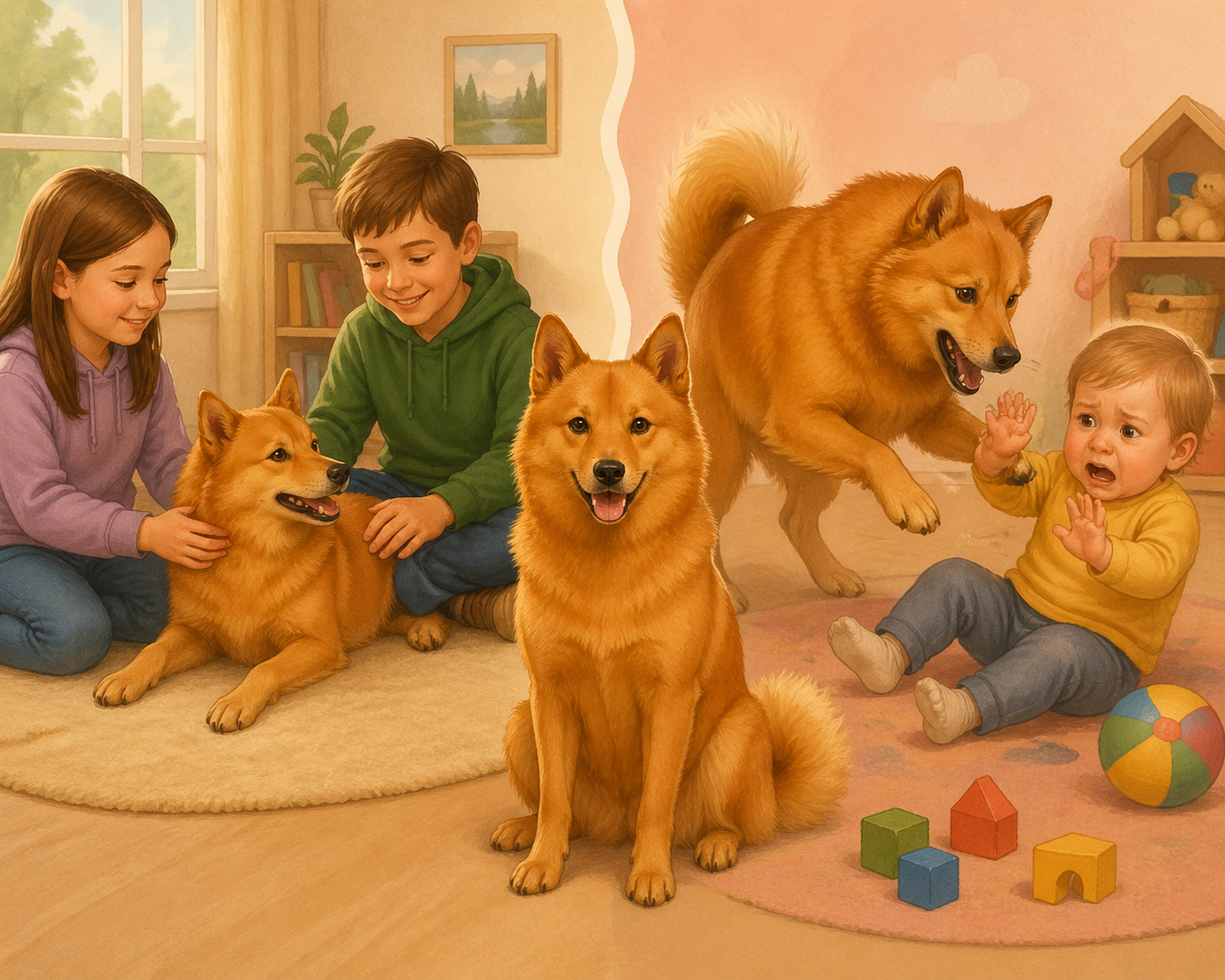 These dogs can be quite mouthy during play, and their energy levels run high. Without close supervision, their enthusiastic play style might overwhelm little ones. They might accidentally knock over a small child during an excited greeting or playtime romp.
Active families tend to be the sweet spot for this breed. If your household enjoys outdoor adventures, hiking trips, and regular physical activity, you’ll find the Finnish Spitz thrives in that environment. They need consistent training and plenty of attention, so families who can commit time to working with their dog will see the best results. According to family dog resources, matching energy levels to the family lifestyle makes all the difference in long-term success.
Interactions with Other Pets
The Finnish Spitz can live with other dogs, but it’s not always their preference. Proper socialization from puppyhood helps tremendously. Some individuals actually prefer to be the only dog and receive all the attention themselves.
Their hunting background creates a real challenge with smaller pets. That strong prey drive makes them unreliable around cats, rabbits, hamsters, and similar animals. Even with training, the instinct to chase can override their better judgment when a small furry creature darts across their path.
Multi-pet households need to prioritize early and ongoing socialization. Puppy classes, controlled introductions, and supervised interactions build the foundation for peaceful coexistence. Skip this step, and you’re setting everyone up for stress.
Same-sex aggression can emerge, particularly between intact dogs. Spaying or neutering often reduces these tendencies, though some individuals still prefer opposite-sex canine companions. Behavior specialists note that proper management and training can help address these challenges.
Common Health Issues
Good news first: Finnish Spitz dogs are generally healthy. Most live out their 12 to 15 years without major medical drama. Like all breeds, though, they have some conditions that appear more frequently in their genetic lines.
Hip and elbow dysplasia top the list of concerns. These joint conditions develop when the hip or elbow socket doesn’t form properly, leading to arthritis and mobility problems over time. Reputable breeders screen their breeding stock for these issues and can provide health clearances.
Patellar luxation, where the kneecap slips out of place, affects some Finnish Spitz dogs. Mild cases might only cause occasional skipping steps. Severe cases require veterinary intervention, sometimes surgery, to keep your dog comfortable and mobile.
Epilepsy shows up in certain genetic lines. Seizures can be frightening to witness, but many dogs with epilepsy live full lives with proper medication and monitoring. Health screening databases track these conditions across breeds to help breeders make informed decisions.
Annual veterinary check-ups catch problems early. When selecting a puppy, always ask breeders for health clearances on both parents. Responsible breeders test for these genetic conditions and work to improve breed health.
Barking Tendencies and Noise Levels
Let’s be completely honest here: Finnish Spitz dogs are loud.
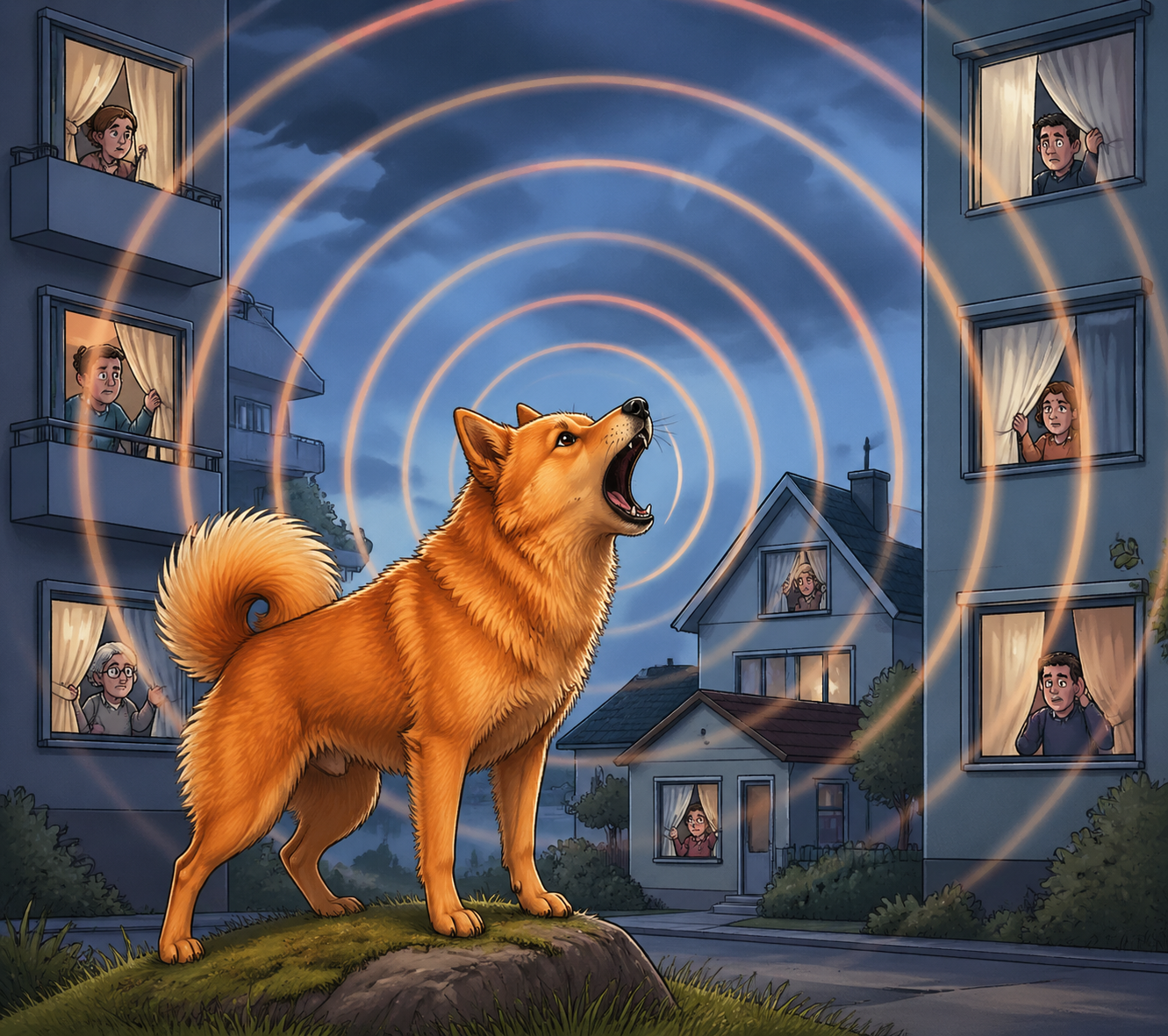 Really loud. Their distinctive yodel-like bark carries far and can persist for extended periods. This isn’t a flaw you can train away because barking is woven into their DNA.
Remember their nickname, the “barking bird dog”? They were specifically bred to bark continuously when they located prey during hunts. That means centuries of selective breeding created dogs who love to use their voices. Expecting a quiet Finnish Spitz is like expecting a Border Collie who doesn’t want to herd.
The barking serves multiple purposes in their minds. They announce visitors, alert you to wildlife passing by, express excitement, and sometimes bark just because the mood strikes them. The sound itself is unique, almost musical, but the volume and frequency might test your patience and your neighbors’ goodwill.
Apartment living with thin walls? Probably not the best match. Close neighbors who value peace and quiet? They won’t appreciate your Finnish Spitz’s vocal performances. Noise-sensitive environments simply don’t mesh well with this breed’s natural tendencies.
Training helps manage excessive barking to some degree. You can teach “quiet” commands and reward calm behavior. Barking management techniques work better when applied consistently from puppyhood. Patience is absolutely essential because you’re working against strong instincts. Realistic expectations matter here. You can reduce inappropriate barking, but you won’t create a silent dog.
Cost of Ownership
Bringing home a Finnish Spitz puppy from a reputable breeder typically costs between $1,000 and $2,000. That initial price reflects health testing, proper care of the mother and puppies, and the breeder’s expertise. Prices below this range might signal questionable breeding practices.
Annual expenses add up quickly. Budget around $1,000 to $1,500 yearly for food, basic supplies, and routine veterinary care. Quality dog food for an active medium-sized breed, preventive medications, annual vaccinations, and regular check-ups all contribute to this baseline cost.
Don’t forget the extras that make life better for both you and your dog. Training classes help you work with this intelligent but independent breed. Professional grooming tools make coat maintenance easier during heavy shedding seasons. Pet insurance provides peace of mind against unexpected medical bills.
Speaking of unexpected costs, emergency veterinary care can strain budgets fast. Setting aside a pet emergency fund protects you when accidents or sudden illnesses happen. The breed-specific health issues mentioned earlier might require treatment, diagnostic testing, or ongoing management. Cost planning resources recommend preparing for these possibilities before they arise.
Think of dog ownership as a 12 to 15-year financial commitment. The joy and companionship are priceless, but the practical costs deserve careful consideration before you welcome a Finnish Spitz into your home.
