
Apr
AKC Groups, Hound Group, Hounds, Hunting Dogs, Scent Hounds
Dachshund: Too Brave For Its Own Sake?
Whom will you call when you need someone to flush a fierce badger from its burrow? Dachshund, that’s who!
Dachs is the German word for badger. The German “dachshund” English translation is “badger dog.” The Dachshunds initially chased and flushed badgers from their burrows. This dangerous job requires a very courageous dog, and this breed is among the best for courage.
Today, Dachshunds are beloved family pets, showcasing their playful and affectionate nature. Their long bodies and short legs give them a unique appearance that endears them to many. While they may no longer be tasked with hunting badgers, their instincts remain strong, making them curious explorers. Training a Dachshund requires patience, as their independent streak can sometimes lead to stubbornness. However, with the right approach, they can be both obedient and delightful companions.
Dachshund History
Dog lovers often have a favorite breed; for many people, that breed is the dachshund. These small, loyal dogs have been a staple in American households for generations. But where did they come from?
Dachshunds are thought to have originated in Germany, where they were bred to hunt badgers and other burrow-dwelling animals. The name “dachshund” comes from the German words “Dachs,” meaning badger, and “Hund”, meaning dog. Over time, dachshunds were used for various purposes, including tracking deer and accompanying officers on military duty. In 1885, the first dachshund club was founded in Germany, and the breed soon became popular throughout Europe.
Eventually, dachshunds made their way to America, quickly becoming one of the most popular breeds. Today, these spunky little dogs are known for their playful personality and devoted natures. Whether cuddling on the couch or going for a walk in the park, dachshunds always bring a smile to their owner’s face.
Dachshunds come in three coat types: smooth, longhaired, and wirehaired, each with its unique characteristics and grooming needs. Their size and shape make them excellent companions for both city dwellers and country residents alike.
Despite their small stature, dachshunds are known for their bold and adventurous spirit, often taking on challenges much larger than themselves. Training can be a rewarding experience, as these clever dogs respond well to positive reinforcement and enjoy learning new tricks. Their loyalty and affection for their families make them cherished members of many households.
Dachshunds are Hunters
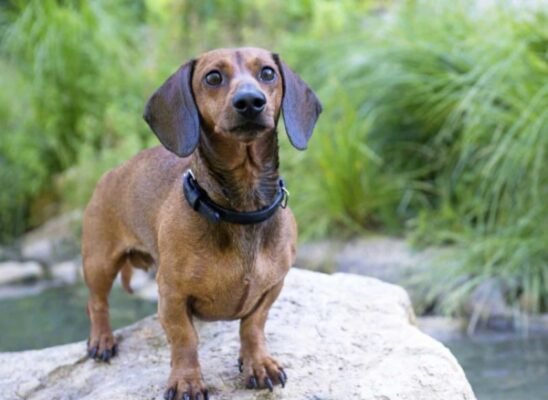
If you need a dog to chase rabbits, the Dachshund comes in a scaled-down “kaninchen”(German for rabbit) size. The Dachshund’s standard size for badger duty remains relatively small, at only 9 inches tall and up to 32 pounds. What the Dachshund lacks in height, it makes up for in length. It’s little wonder it has the nickname “Weiner” or “sausage” dog, given its body shape.
Dachshunds possess a keen sense of smell, which aids them in tracking and hunting small game. Their tenacity and determination often drive them to dig and burrow, showcasing their hunting instincts. Regular exercise is essential to keep them healthy and happy, as they have a playful nature that thrives on activity. Socialization from an early age can help curb any stubborn tendencies, allowing them to interact well with other pets and people. Overall, these charming dogs bring both joy and character to any home they inhabit.
The miniature-sized Dachshund is 6 inches or less and weighs 11 pounds. The American Kennel Club or the Kennel Club (UK) does not officially recognize the scaled-down rabbit-sized version. It is considered part of the small class. In addition to size distinction, this dog breed has three coat varieties: smooth, longhaired, and wirehaired.
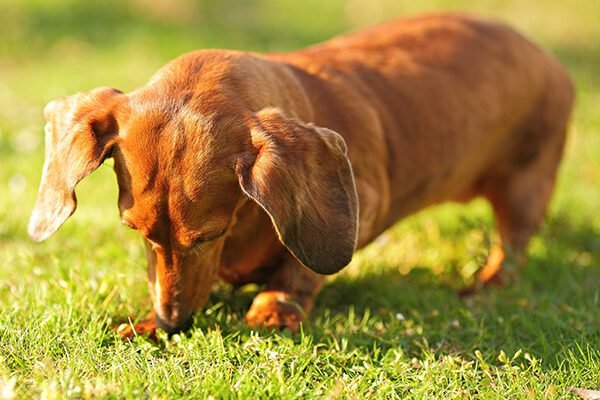
The smooth coat variation is sometimes referred to as shorthaired, but the AKC uses smooth as described in its Official standard. Red, black, and tan are the predominant coat colors, but several others occur.
Hund Means Hound
The Dachshund is part of the Hound Group and is a hunting dog. Its fantastic sense of smell makes it better than most other breeds at tracking a scent.
This breed has average dog intelligence and needs some effort to train. It is not the easiest dog to housetrain. They do like to chase things and need a moderate amount of exercise. It is suspicious of strangers and may growl or bark at people they do not know.
Owners of dachshunds describe them as clever, playful, and affectionate. They may be hunting dogs, but they also like to cuddle on your lap. Devotees of the breed consider its stubbornness to be an endearing quality rather than a fault.
Are They Hypoallergenic?
There’s no such thing as a hypoallergenic dog, but some breeds are less likely to cause allergies than others. The dachshund might be a good option if you’re looking for a hypoallergenic breed. Dachshunds are low-shedding dogs, which means they produce less dander – the main cause of allergies in people.
They also don’t produce much saliva, so they’re less likely to trigger your allergies if you’re sensitive to dog saliva. However, every person is different, so it’s always best to meet a dachshund in person before you commit to getting one. With their long bodies and short legs, dachshunds are unique dogs that make great companions. They’re loyal, playful, and full of personality, so they’re sure to keep you entertained. The dachshund might be the perfect fit if you’re looking for a charming and lovable dog breed.
Are Dachshunds Healthy?
Yes, dachshunds are healthy dogs overall. They don’t have serious health issues common in other breeds. The main things you need to watch out for are their back and their teeth. Because of their long back, they are prone to back problems later in life.
This can be prevented by ensuring they get enough exercise and not letting them jump off high surfaces. Also, dachshunds tend to have teeth problems because of their small mouths. So, it is important to brush their teeth regularly and take them to the vet for regular checkups. Other than that, dachshunds are happy and healthy dogs that make great companions.
They tend to have fewer problems with their bones and joints than other breeds, and they are not prone to obesity. However, like all breeds of dogs, dachshunds can be susceptible to certain health conditions. For example, some dachshunds may suffer from intervertebral disc disease, which can cause pain and mobility problems.
Others may be affected by von Willebrand disease, a blood disorder that can lead to excessive bleeding. Fortunately, there are many steps that owners can take to help keep their dachshunds healthy. For example, regular exercise and a healthy diet can help to prevent obesity, while regular check-ups with the veterinarian can help to catch health problems early.
The Dachshund’s long body makes back injuries a serious concern. Aside from back problems, it is generally healthy, with a lifespan of 12 to 16 years. The dog should not jump off high places.
Training
Proper training is essential to ensure that dachshunds understand their limits, respond reliably to commands, and avoid risky behaviors that could put them in danger. Because dachshunds are intelligent, curious, and sometimes stubborn, consistent guidance from an early age helps them learn what is expected of them in everyday situations.
Teaching basic commands such as “sit,” “stay,” “come,” and “leave it” can make walks, playtime, and interactions with others much safer and more enjoyable. Positive reinforcement, including praise, treats, and gentle encouragement, is especially effective for building trust and motivating good behavior.
Socialization with other dogs, people, and new environments can greatly enhance a dachshund’s temperament and help reduce anxiety in unfamiliar situations. Gradual exposure to different sounds, places, and experiences allows them to become more confident and adaptable.
When properly socialized, dachshunds are more likely to remain calm around visitors, behave politely with other pets, and feel secure in busy or changing surroundings. Regular training and socialization not only improve their manners but also strengthen the bond between the dog and its owner, creating a happier, safer, and better-adjusted companion.
Grooming
Grooming is also important for keeping a dachshund healthy and comfortable, especially for long-haired varieties whose coats can easily become tangled or matted if not brushed regularly. Routine brushing helps remove loose hair, prevents painful knots from forming, and allows owners to check the skin for irritation, dryness, parasites, or any unusual lumps and bumps.
Smooth-coated dachshunds may need less frequent brushing, but they still benefit from regular grooming to keep their coats clean and shiny. Wire-haired dachshunds may require additional coat maintenance, such as occasional hand-stripping or trimming, depending on their coat type.
Regular dental care should not be overlooked, as dental disease can affect dogs of any breed, including dachshunds. Brushing their teeth several times a week, offering veterinarian-approved dental chews, and scheduling professional cleanings when needed can help prevent plaque buildup, gum disease, tooth loss, and bad breath. Good oral health also supports overall well-being, since untreated dental problems can contribute to pain and other health concerns over time.
In addition to grooming and dental care, dachshunds benefit from routine veterinary checkups, proper nutrition, moderate exercise, and careful weight management to reduce strain on their long backs. With attentive care, patience, and affection, dachshunds can thrive as loyal, playful, and loving companions for many happy years.
Dachshund Personality
Dachshunds are known for their playful and curious nature, often getting into mischief if not properly exercised. Engaging them in regular activities, such as walks or interactive play, is crucial to keeping their energy in check. Additionally, they can be quite vocal, making effective training essential to manage excessive barking. Their intelligence makes them quick learners, but consistency and patience are key to shaping good behavior. Overall, with the right environment and care, dachshunds can be both entertaining and devoted family members.
Conclusion
Despite its small size, it carries itself with remarkable confidence and will not hesitate to stand its ground when it senses danger. Whether facing a larger animal, an unfamiliar visitor, or any situation it believes could threaten its home or family, this brave little dog is ready to take action. Its bold nature often makes it seem much larger than it really is, and that fearless attitude is one of the qualities that make the breed so memorable.
You have to admire a dog that will do that, especially one that combines loyalty, alertness, and heart in such a compact package. For many owners, this courage is not just impressive—it is one of the breed’s most endearing traits.
Few dog breeds can match the sheer courage of this one. Despite its small size, it will take on just about any threat. You have to admire a dog that will do that.
Similar Dog Breeds
| Breed | Height (inches) | Weight (Pounds) | Life Expectancy (Years) | Popularity (AKC) | Origin |
|---|---|---|---|---|---|
 Dachshund Dachshund | 5-9 | 16-32 | 12-16 | 12 | Germany |
 Basset Hound | up to 15 | 40-65 | 12-13 | 39 | France and Belgium |
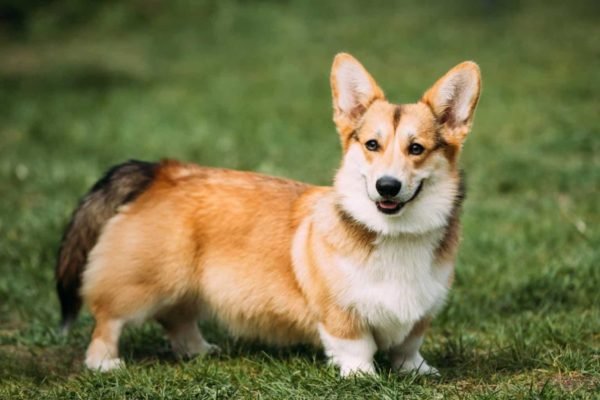 Pembroke Welsh Corgi | 10-12 | up to 30 | 12-13 | 13 | United Kingdom |
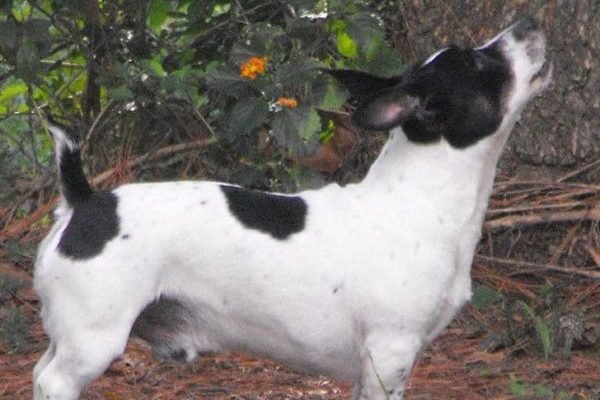 Teddy Roosevelt Terrier | 8-15 | 8-25 | 14-16 | n/a | United States |
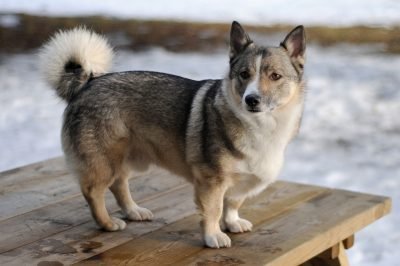 Swedish Valhund Swedish Valhund | 12-14 | 20-35 | 12-15 | 169 | Sweden |
