 Home
Home Store
StoreShetland Islands
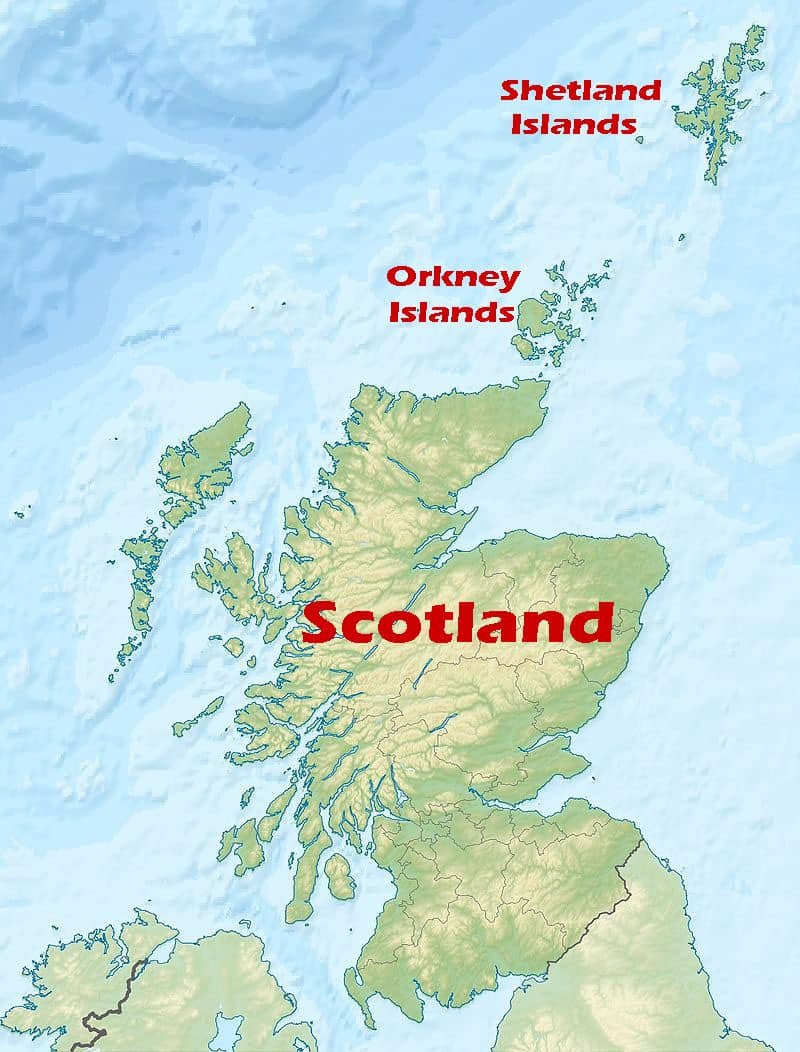
The Shetland Islands are 50 miles northeast of the Orkney Islands, which in turn are 20 miles north of the coast of Scotland.The Shetland Islands, also known as Zetland or Shetland, are a group of approximately 100 islands, with fewer than 20 inhabited. They are located in Scotland, about 130 miles (210 km) north of the Scottish mainland, at the northernmost point of the United Kingdom. The islands are part of the Shetland Islands council area and the historic county of Shetland.The landscape of the Shetland IslandsThe Shetland Islands have a rugged and dramatic landscape with cliffs, sweeping beaches, and vast moors. The islands are known for their distinctive geology, with some of the oldest rocks in Europe exposed in the area. Geology has created a unique landscape with stunning geological formations, such as the dramatic sea stacks at Eshaness.
The Shetland Islands have a rich history, with evidence of human habitation dating back over 4,000 years. The islands have been inhabited by various groups, including the Vikings, who ruled them for over 500 years. The Viking heritage is still evident in the local dialect and place names. The islands also played a strategic role in World War II, with the construction of the Sullom Voe oil terminal.
Today, the Shetland Islands are a popular tourist destination, with visitors drawn to their natural beauty, wildlife, and unique culture. The islands are home to diverse wildlife, including seabirds, otters, seals, and whales. The Shetland Islands are known for their traditional music, dance, and festivals, such as the world-renowned Shetland Folk Festival and the Up Helly Aa fire festival.