
Should Shock Collars Be Used on Dogs?
Jun
Shock collars, also called electronic collars or e-collars, are one of the most debated tools in dog training. Some trainers and owners argue that they can quickly stop dangerous behaviors, especially when a dog is off-leash or ignoring commands.
Others believe they cause fear, stress, and unnecessary pain — and that better, kinder training methods are available.
So, should shock collars be used on dogs? In most cases, no. Shock collars should not be a standard training tool, and they should never be used casually, harshly, or by inexperienced owners. Dogs learn best through trust, consistency, and positive reinforcement — not fear.
What Are Shock Collars?
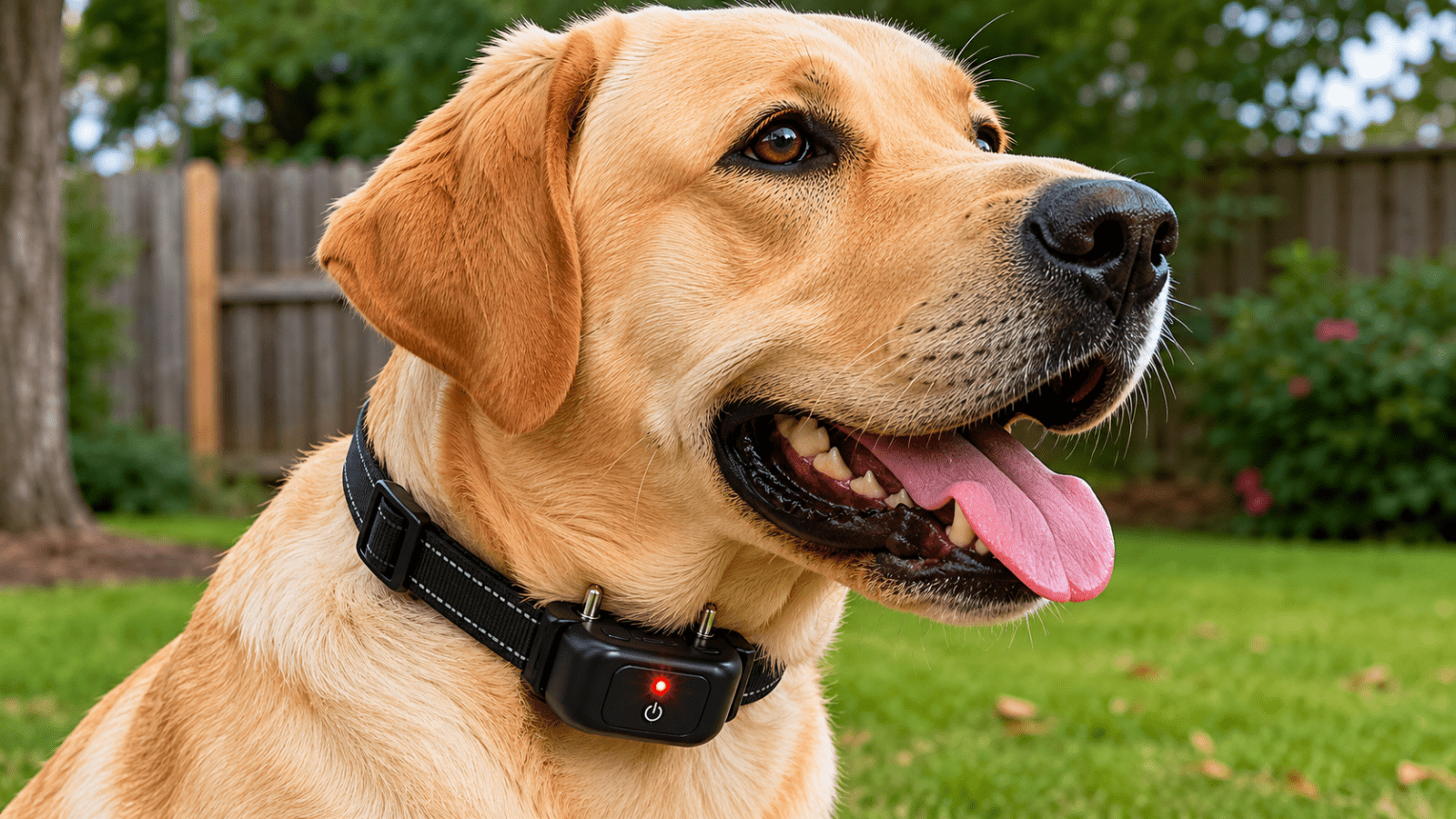
Shock collars are devices worn around a dog’s neck that deliver an electric stimulation. Depending on the collar, this may feel like a mild tingling sensation, a sharp static shock, or something stronger.
Many collars also include vibration or sound settings.
People commonly use shock collars for:
- Barking
- Jumping
- Running away
- Ignoring recall commands
- Aggression
- Boundary training
- Hunting or working dog training
The problem is that while shock collars may stop a behavior in the moment, they do not always teach the dog what to do instead. This gap in training can lead to ongoing behavioral issues.
Why Some People Use Shock Collars for Training Dogs
Supporters of shock collars often say they are effective because they create an immediate consequence. For example, if a dog runs toward a road and ignores a recall command, a remote correction might quickly stop the dog.
However, this approach can lead to anxiety and fear in dogs, which may result in more behavioral issues over time. Training that focuses on building a strong bond between the dog and owner typically yields better long-term results.
Labrador Retriever Dog Mug (11oz/15oz)
A bright, glossy ceramic mug that brings a touch of handcrafted charm to everyday routines. The artwork wraps neatly around the white surface, letting vivid inks pop against the clean background.
Positive reinforcement techniques, such as treats and praise, encourage desired behaviors without causing distress. Additionally, these methods help strengthen the trust between the dog and its handler, making training more effective and enjoyable for both. Ultimately, investing time in humane training methods can lead to a well-adjusted and happy pet.
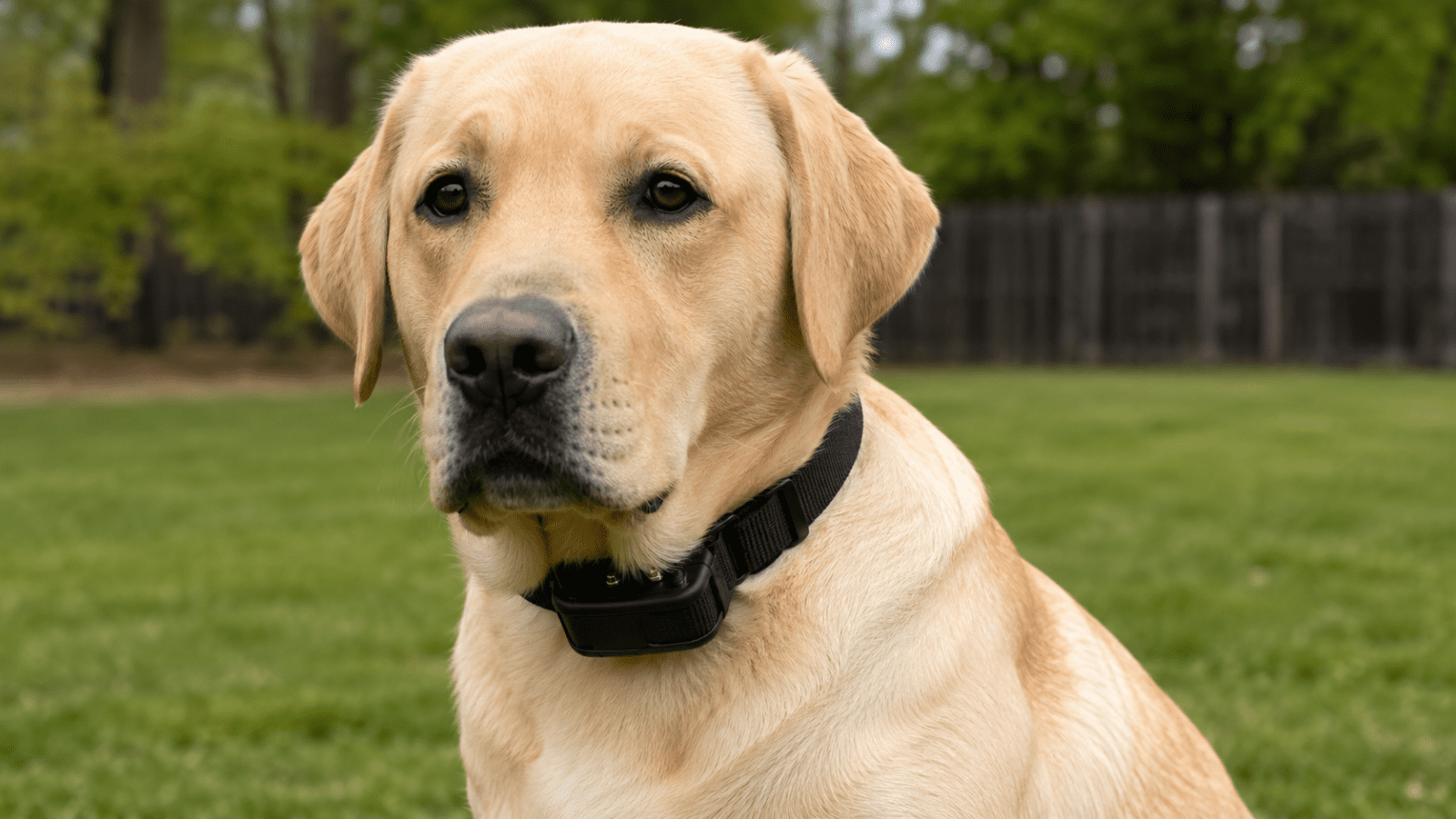
Some owners also use shock collars when other methods have failed, especially with strong, high-energy, or stubborn dogs. In certain professional contexts, such as hunting or livestock work, e-collars are sometimes used for long-distance communication.
However, effectiveness is not the only question. The bigger issue is whether the tool is humane, necessary, and safe.
The Risks of Shock Collars
Shock collars can create serious problems when used incorrectly — and they are very easy to misuse.
1. They Can Cause Fear and Anxiety
A dog may not understand why it is being shocked, especially if the correction happens suddenly or without clear timing. Instead of connecting the discomfort to a specific behavior, such as barking, pulling, or crossing a boundary, the dog may become confused and anxious.
Because dogs learn through immediate and consistent associations, a poorly timed shock can easily be misinterpreted.
The dog may associate the pain not with its own action, but with whatever is present at that moment, such as the surrounding environment, another dog nearby, a passing stranger, a family member, or even the owner holding the remote or leash. Over time, this can create fear, stress, or mistrust and may lead to unwanted behavioral problems such as avoidance, aggression, or increased reactivity.
For example, if a dog is shocked while barking at another dog, it might not think, “I should stop barking.” It might think, “Other dogs make bad things happen.” This can increase fear or aggression.
2. They Can Damage Trust
Training should build clear, positive communication between a dog and its owner. At its best, training is not just about teaching commands or correcting unwanted behavior; it is about helping the dog understand what is being asked.
When training is based on patience, encouragement, and predictable responses, the dog is more likely to feel safe, pay attention, and participate willingly.
3. They May Suppress Behavior Without Solving the Cause
Barking, lunging, digging, or running away usually has an underlying reason. The dog may be bored, scared, overstimulated, under-exercised, or poorly trained.
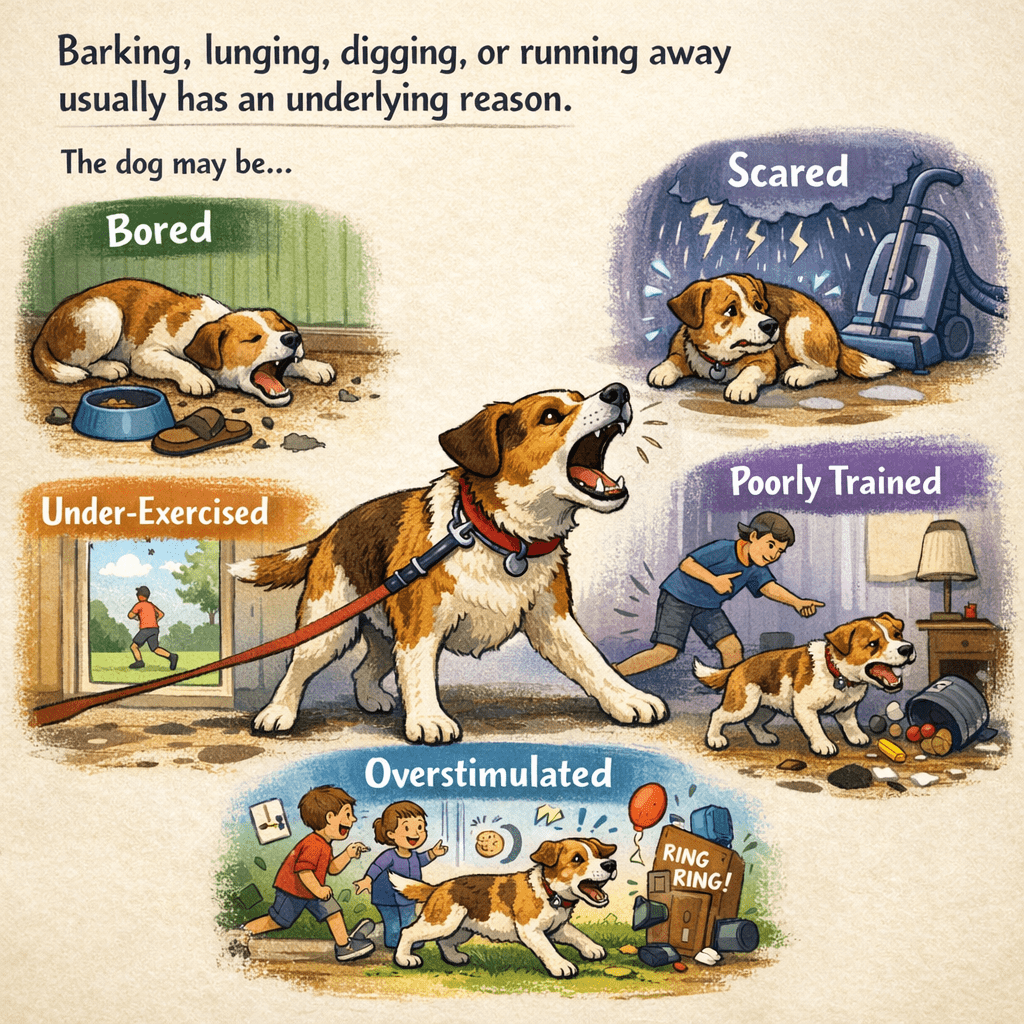
A shock collar may silence the symptom without addressing the root cause. That can make the problem worse over time.
4. They Can Be Physically Harmful
Poorly fitted collars, excessively high settings, repeated or unnecessary use, and low-quality or cheaply made devices can all increase the risk of harm.
When a collar does not sit correctly, it may rub against the skin, create pressure points, or deliver stimulation unevenly.
Better Alternatives to Shock Collars
Most behavior problems in dogs can be addressed effectively through humane, reward-based training methods. Positive reinforcement is not the same as letting a dog do whatever it wants or ignoring unwanted behavior. Instead, it means guiding the dog with clear, consistent instructions.
This approach helps build trust between the dog and the person training it.
For example, a dog that jumps on visitors can be taught to sit politely for attention, and a dog that pulls on the leash can be rewarded for walking calmly beside its handler. With patience, consistency, and appropriate rewards, many common behavior issues can improve while strengthening the bond between the dog and its family.
Better alternatives include:
- Reward-based obedience training
- Clicker training
- Long-line recall practice
- Proper exercise and enrichment
- Desensitization and counterconditioning
- Crate training when appropriate
- Professional help from a qualified force-free trainer
- Veterinary evaluation for sudden behavior changes
For example, if a dog runs away, the solution is not simply punishment. The owner can practice recall using a long leash, high-value treats, gradual distractions, and consistent rewards. Over time, coming back becomes more rewarding than running off.
Are Shock Collars Ever Justified?
There may be rare situations where an experienced professional uses an e-collar as part of a carefully controlled training plan, especially for safety-critical work. Even then, it should be done with the lowest effective setting, clear timing, and a full understanding of canine behavior.
But for the average dog owner, shock collars are usually unnecessary and risky. They are not a shortcut for training, and they should never be used to punish normal dog behavior, manage frustration, or force obedience.
Shock collars should especially be avoided for:
- Puppies
- Fearful or anxious dogs
- Aggressive dogs without professional guidance
- Dogs with medical issues
- Owners who are angry or impatient
- Barking caused by fear, boredom, or separation anxiety
What Should Owners Do Instead?
If a dog has a serious behavior issue, the best first step is to identify the underlying cause. Is the dog scared? Bored? Confused? Undertrained? In pain?
A humane training plan should focus on:
- Managing the environment
- Teaching an alternative behavior
- Rewarding good choices
- Building consistency
- Getting professional help when needed
Training takes patience, but it creates a dog who understands what is expected — not one who simply fears making a mistake.
Final Verdict
Shock collars should generally not be used on dogs. While they may stop certain behaviors quickly, they carry real risks, including fear, anxiety, aggression, physical harm, and damage to the dog-owner relationship.
Dogs deserve training that is clear, fair, patient, and humane.
Dogs deserve training that is clear, fair, patient, and humane. Every dog learns best when it feels safe enough to try, make mistakes, and understand what is being asked. Positive reinforcement, consistency, and professional guidance are not only kinder approaches but also safer and more effective for most dogs. Rewarding good choices with praise, treats, toys, or affection helps a dog connect desired behaviors with positive outcomes, making learning more enjoyable and reliable.
Consistency is equally important. When everyone in the household uses the same cues, rules, and expectations, a dog is less likely to become confused or anxious. Clear communication builds confidence, while harsh corrections or fear-based methods can damage trust and may even lead to stress, avoidance, or aggression.
A well-trained dog should listen because it understands you, trusts you, and has learned that cooperation leads to good things — not because it is afraid of being hurt. Training should strengthen the bond between dog and owner, creating a relationship built on respect, patience, and mutual understanding.