
Bull Baiting Is A Brutal Blood Sport
Introduction
Bull baiting is a centuries-old blood sport that involves setting specially trained dogs on a bull. The practice was popular in many parts of the world, including Europe, until it was eventually banned due to opposition from animal rights activists.
Bull-baiting was not only a cruel sport but also dangerous for the animals and the people involved. Despite its controversial history, bull-baiting played an essential role in shaping the breed of dogs known as Old English Bulldogs, specially bred for this brutal sport. This article will explore the history of bull-baiting, the role of the Old English Bulldog, and the controversy surrounding this practice.
Bull Baiting is a Cruel Sport
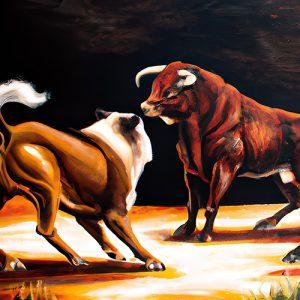
Bullbaiting is an abusive practice where dogs torture and attack bulls for sport or entertainment. This practice was widespread in the past, especially in England, but is now illegal in many countries and widely condemned as cruel.
The bulls were tied to a stake, and dogs were set upon them, often leading to severe injury or death of both the bull and the dogs. Bullbaiting was eventually banned in the United Kingdom in 1835 due to growing public opposition and concerns about animal welfare.
Old English Bulldog
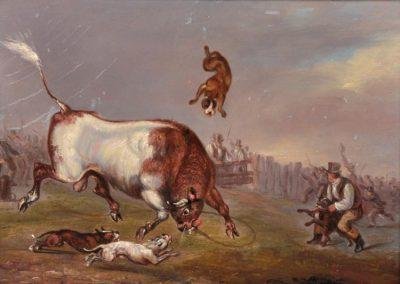
The Old English Bulldog is an extinct breed of dog developed in England during the 18th century for bull-baiting. This breed was known for its courage, strength, and distinctive physical features, including a low stature, deep chest, and muscular shoulders and thighs. Old English Bulldogs were bred to be aggressive and were trained to attack bulls in blood sports.
The modern Bulldog eventually replaced the breed, developed in the 19th century for a less aggressive temperament and a more compact body. Despite its controversial history, the Old English Bulldog played a significant role in the development of modern Bulldog breeds and is still remembered today for its bravery and tenacity.
Bulldog Club

The Bulldog Club was established in England in 1878, and in America, it was established in 1890. When the Cruelty to Animals Act made bull-baiting illegal in England, the Old English Bulldog, a now-extinct breed, was crossed and produced the current Bulldog, a companion dog.
Modern bulldogs are typically friendly, affectionate dogs despite being associated with ferocity and bravery. Bulldogs are regularly maintained as pets; in 2021, it was the 6th most often AKC registered breed.
Bull Baiting Outlawed
The Cruelty to Animals Act was adopted by Parliament in 1835 and made “Blood Sport” illegal in the UK. The Bulldog’s job was abruptly finished, and the breed began to disappear. Dog enthusiasts started creating dog organizations around 1865, eventually leading to conformation shows. Many fanciers revived the “Bull” dog by using various canine remains used in “Blood Sport,” which led to the development of the present English Bulldog.
Bull and Bear Baiting
Bulls and bears used to be pitted against one another in California and Mexico throughout the 19th century during the Spanish Colonial Period. Spanish fighting bulls, whose size, agility, speed, sharp horns, and hot temper made them dangerous to both bears and humans, were the bulls that fought the bears. The bull prevailed if it used its might to throw the bear into the air or gore it with its horns.
California is the Bear State

California is sometimes referred to as the “Bear State” because of the large population of black bears that once roamed the state. The nickname “Bear State” refers to the large numbers of these animals that used to roam the state, and it reflects the state’s strong connection to the natural environment and wildlife. The black bear is one of California’s state symbols, depicted on the state flag and other emblems.
The large population of bears in California may be the reason they were used for bull baiting.
