
Foundation Stock Service
Schapendoes: A Lovable and Lively Dog Breed

Apr
History of the Schapendoes
Originating in the Netherlands, the Schapendoes is a medium-sized herding dog breed. Although its precise origins remain unclear, it is believed to have emerged in the early 1900s. The Schapendoes share close ties with European herding breeds, including the Bearded Collie and the Old English Sheepdog. These breeds likely share a common ancestry due to their similar physical traits and herding instincts.
During the early 20th century, sheep farming was a prominent industry in the Netherlands, and the need for efficient herding dogs was high. The Schapendoes were developed to work alongside shepherds, helping them drive and control sheep. The breed’s shaggy coat protected against the harsh weather and allowed it to blend in with the sheep.
Effect of World War II
The Schapendoes experienced a decline in population during World War II due to the hardships endured by the Dutch people. However, the breed was saved from extinction by enthusiasts who made efforts to revive it. In 1947, the first official breed standard was established, and the Dutch Kennel Club recognized the Schapendoes.
Schapendo’s population declined during World War II.
- Enthusiasts saved the breed from extinction.
- In 1947, the first official breed standard was established.
- The Dutch Kennel Club recognized the Schapendoes.
Since then, the Schapendoes breed has gained popularity in the Netherlands and other parts of Europe. It is primarily known for its herding abilities, intelligence, and friendly temperament. The breed has also become popular as a companion dog in recent years, thanks to its charming looks and playful nature.
Despite its popularity, the Schapendoes remain a relatively rare breed internationally. Efforts are being made to maintain its working abilities and preserve its genetic diversity. The breed is now recognized by various kennel clubs and organizations worldwide.
Appearance
The Schapendoes are a medium-sized breed with a sturdy and robust build. They have a square-shaped body with a deep chest and a straight back. The breed has a double coat consisting of a dense, waterproof undercoat and a long, wavy, curly outer coat. The coat is known for its natural, unkempt appearance, giving the Schapendoes a distinctive look.
Their head is proportionate to the body, with a broad skull and a slightly tapering muzzle. They have large, expressive eyes that are usually dark brown. The ears hang close to the head and are covered with long hair.
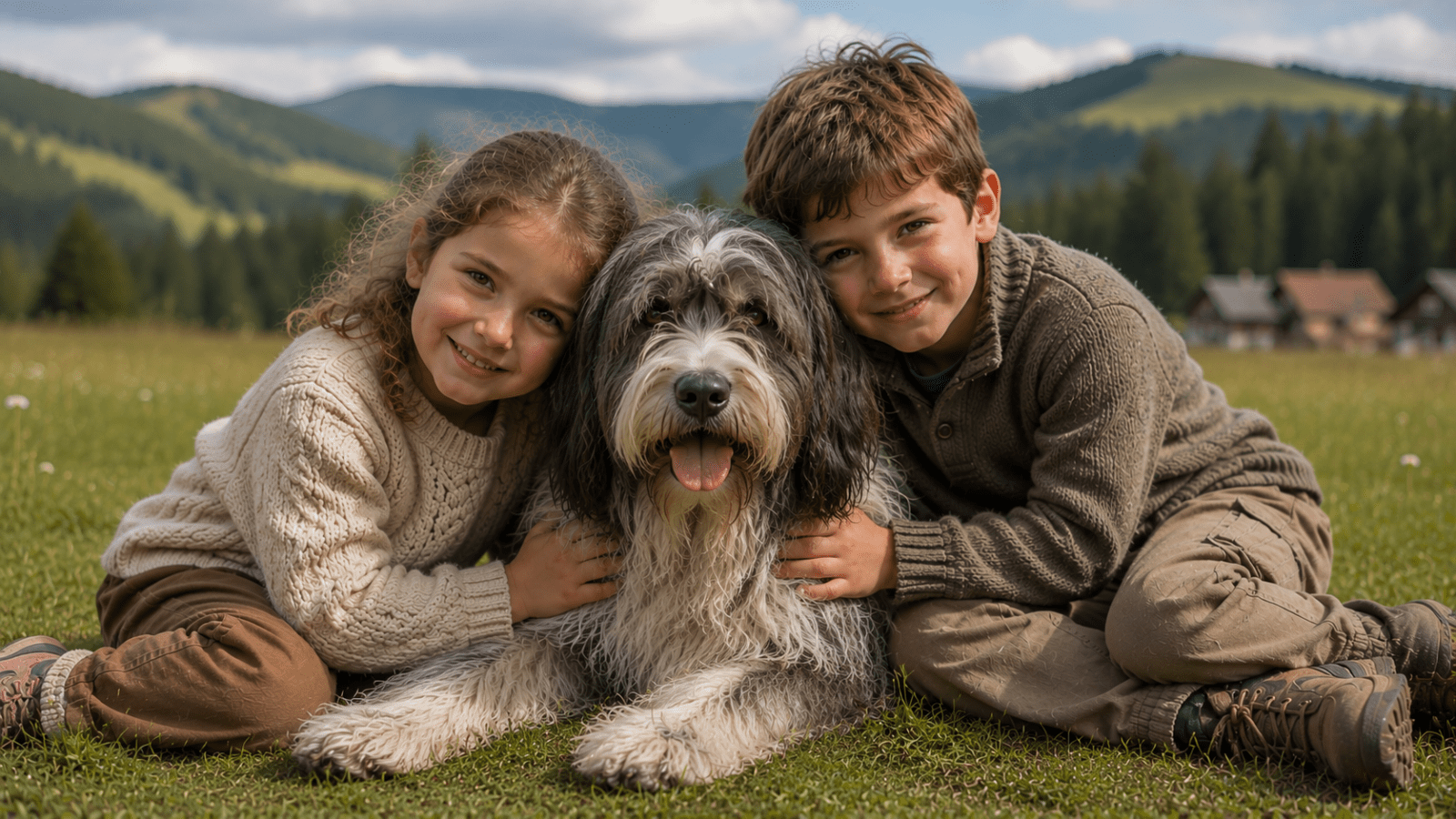
Schapendoes have a strong jaw, a scissor bite, and a black nose. The breed has a friendly, intelligent expression that reflects its lively, playful nature.
Coat and Colors
The Schapendoes have a thick, bushy tail that hangs down, reaching the hocks. The dog’s tail may curl upwards or over the back when alert or excited.
They come in various color combinations, including solid colors such as black, brown, or grey, as well as bicolored or tricolored coats. The most common coloration is black with white markings.
Overall, the Schapendoes have an endearing, shaggy appearance that captures attention and makes them charming and lovable.
Health Concerns
The Schapendoes breed is generally considered healthy and robust. However, like any other dog breed, the breed has some health concerns that potential owners should be aware of. Some of the health concerns seen in Schapendoes include:
- Hip Dysplasia: A common orthopedic condition in which the hip joint develops abnormally, leading to pain, lameness, and arthritis. Regular screening and breeding of dogs with good hip scores can help reduce the prevalence of this condition.
- Progressive Retinal Atrophy (PRA): PRA is a genetic disease that causes gradual deterioration of the photoreceptor cells in the retina, leading to vision loss and eventually blindness. Responsible breeders regularly test their breeding dogs for PRA and avoid breeding affected individuals to prevent the disease from being passed on.
- Epilepsy: Some Schapendoes may be prone to epilepsy, a neurological disorder characterized by recurrent seizures. Medication can help control seizures, but there is no definitive cure for epilepsy.
- Hypothyroidism: It is a condition where the thyroid gland fails to produce enough thyroid hormone, leading to various health issues like weight gain, hair loss, and skin problems. Regular thyroid testing can help in early detection and proper management of this condition.
- Von Willebrand’s Disease: An inherited bleeding disorder caused by a deficiency of von Willebrand factor, a blood-clotting protein. Affected dogs can experience excessive bleeding after injuries or surgeries. Genetic testing of breeding dogs can help prevent the transmission of this disease.
It is important to note that not all Schapendoes will develop these health issues, and responsible breeding practices can significantly reduce the risk. Regular veterinary check-ups, a balanced diet, regular exercise, and a safe living environment are essential for maintaining the overall health and well-being of the Schapendoes breed.
Frequently Asked Questions
Are Schapendoes good family dogs?
Schapendoes are generally good family dogs. They are friendly, loyal, and gentle with children, making them suitable for families of all sizes. They have an affectionate nature and enjoy participating in the family’s activities. Schapendoes also tend to get along well with other pets and are generally easy to train. However, it is important to note that every dog is an individual, so proper socialization and training are essential to ensure a well-rounded, well-behaved family pet.
How long do Schapendoes live?
On average, Schapendos have a lifespan of 12 to 15 years. However, some individuals may live even longer with proper care, exercise, and a healthy diet.
Are Schapendoes healthy?
Overall, Schapendoes are considered to be a relatively healthy breed. However, like all dogs, they are susceptible to specific health issues. Obtaining a puppy from a reputable breeder who health-tests their breeding stock is important for minimizing the risk of these inherited conditions. Regular veterinary check-ups, a balanced diet, exercise, and proper grooming can also help maintain the overall health of Schapendoes.
How big is the Schapendoes?
The Schapendoes is a medium-sized dog breed. Male Schapendoes typically measure between 18 and 22 inches (45 and 55 cm) at the shoulder and weigh between 50 and 70 pounds (22 and 32 kg). Females are slightly smaller, measuring between 16-20 inches (40-50 cm) and weighing 40-60 pounds (18-27 kg).
What color is the Schapendoes’ coat?
The Schapendoes coat can be shades of grey, including light, dark, and blue-grey.